1600kVA Oil-Immersed Transformer: Key Advantages and Installation Techniques
Time:2026-02-27 Auther:ZTelec-www.ztelectransformer.com
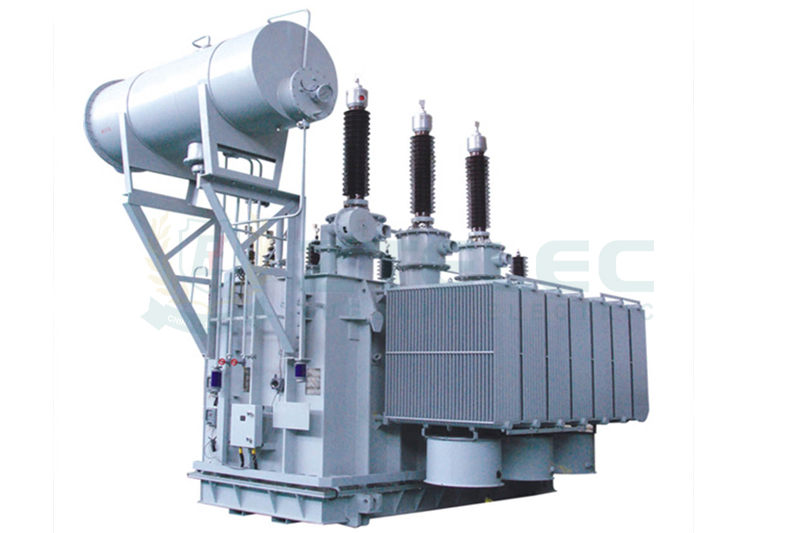
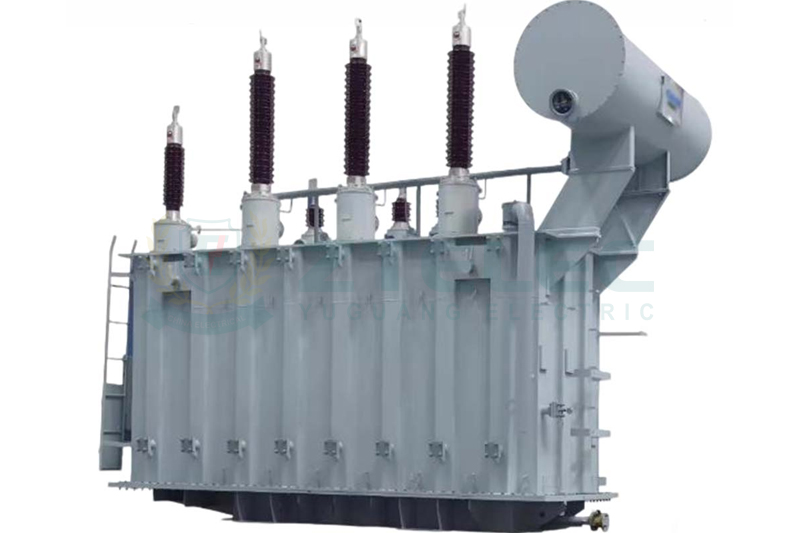
The 1600kVA oil-immersed transformer is widely used in industrial power distribution systems, commercial buildings, data centers, and renewable energy projects. With its balanced capacity, stable performance, and high cost-efficiency, it plays a critical role in converting medium-voltage electricity into reliable low-voltage power.
This article explores the core advantages and essential installation techniques of 1600kVA oil-filled transformers, helping engineers and procurement professionals make informed decisions for safe and efficient power system deployment.

Key Advantages of 1600kVA Oil-Immersed Transformers
Excellent Heat Dissipation and Strong Overload Capacity
Oil-immersed transformers utilize mineral oil or advanced insulating fluids as both insulation and cooling media. Compared with dry-type transformers, insulating oil offers higher thermal capacity, allowing it to effectively absorb and dissipate heat generated by the windings and core.
Most 1600kVA transformers adopt ONAN (Oil Natural Air Natural) or ONAF (Oil Natural Air Forced) cooling methods. Under forced air cooling conditions, overload capacity can increase by approximately 30%–40%, making them suitable for applications with fluctuating load demands.
Low Losses and High Energy Efficiency
Modern designs incorporate high-permeability cold-rolled grain-oriented silicon steel or amorphous alloy cores. Combined with step-lap joint technology, no-load losses are significantly reduced compared to earlier models.
Windings made from high-purity oxygen-free copper minimize resistance and reduce load losses. These improvements enable many 1600kVA transformers to meet high energy-efficiency standards, lowering long-term operating costs.
Fully Sealed Structure with Minimal Maintenance
Contemporary 1600kVA oil-immersed transformers feature fully sealed tank designs that isolate insulating oil from air. Corrugated tank walls allow expansion and contraction with temperature changes, maintaining internal pressure balance.
This structure prevents moisture ingress and oxidation, extends oil life, and significantly reduces maintenance frequency, making it ideal for unattended or remote installations.
High Reliability and Strong Short-Circuit Resistance
The high dielectric strength of insulating oil ensures excellent insulation performance and safe electrical clearances. Reinforced mechanical structures improve resistance to short-circuit forces commonly encountered in industrial power systems.
Additionally, the relatively high flash point of transformer oil enhances operational safety by slowing the spread of potential fire hazards.
Key Installation Techniques for 1600kVA Oil-Immersed Transformers
Proper Installation Location Selection
The installation site directly affects transformer lifespan and operational safety. It is recommended to avoid low-lying areas prone to flooding, maintain adequate clearance from surrounding structures, and keep the unit away from flammable or explosive environments.
For outdoor installations, a reinforced concrete foundation and protective fencing are strongly recommended to ensure structural stability and safety.
Ventilation and Heat Dissipation Design
Although oil-immersed transformers have efficient cooling systems, proper airflow must still be ensured. Adequate spacing should be reserved around the transformer to:
Allow natural air circulation, prevent blockage of cooling surfaces, and maintain stable oil temperature during operation. In high-temperature environments, forced ventilation systems can further improve cooling efficiency.

Foundation Strength and Vibration Control
Due to their significant weight, 1600kVA transformers require foundations with sufficient load-bearing capacity. The installation surface must be level and meet engineering standards.
Vibration damping pads or anti-vibration grooves can be added to reduce operational noise, especially in urban or commercial environments where noise control is important.
Grounding and Electrical Protection
A reliable grounding system is essential for safe operation. The transformer tank, core, and metal components must be properly grounded. Additionally, lightning protection devices and surge protection systems should be installed to safeguard against overvoltage conditions.
Proper grounding ensures compliance with international electrical standards and enhances system safety.
Inspection and Commissioning Before Operation
Before energization, comprehensive testing must be performed, including insulation resistance testing, turns ratio verification, and inspection of oil level, sealing condition, and temperature indicators.
After initial no-load and load trial runs confirm stable operation, the transformer can be placed into continuous service.
The 1600kVA oil-immersed transformer combines efficient heat dissipation, high reliability, and cost-effective performance, making it an ideal choice for medium and large-scale power distribution systems.
By following proper selection criteria and standardized installation practices, users can significantly enhance system reliability, extend equipment lifespan, and reduce long-term maintenance costs.