500 KVA Oil Filled Transformer Price & Specifications Guide 2026
Time:2026-07-24 Auther:ZTelec-www.ztelectransformer.com
The 500 KVA oil filled transformer remains one of the most popular distribution transformer ratings for commercial buildings, manufacturing facilities, utility substations, renewable energy projects, and industrial power systems. Offering an ideal balance between capacity, efficiency, reliability, and investment cost, it is widely selected for medium-scale electrical distribution applications around the world.
Whether you are an EPC contractor, consulting engineer, procurement manager, utility company, or project developer, understanding the latest specifications, price ranges, efficiency requirements, and purchasing considerations is essential for selecting the right transformer and maximizing long-term return on investment.
This comprehensive 2026 buying guide explains the typical specifications of a 500 KVA oil immersed transformer, current market pricing, major cost factors, maintenance requirements, and practical recommendations for obtaining accurate quotations from manufacturers.

What Is a 500 KVA Oil Filled Transformer?
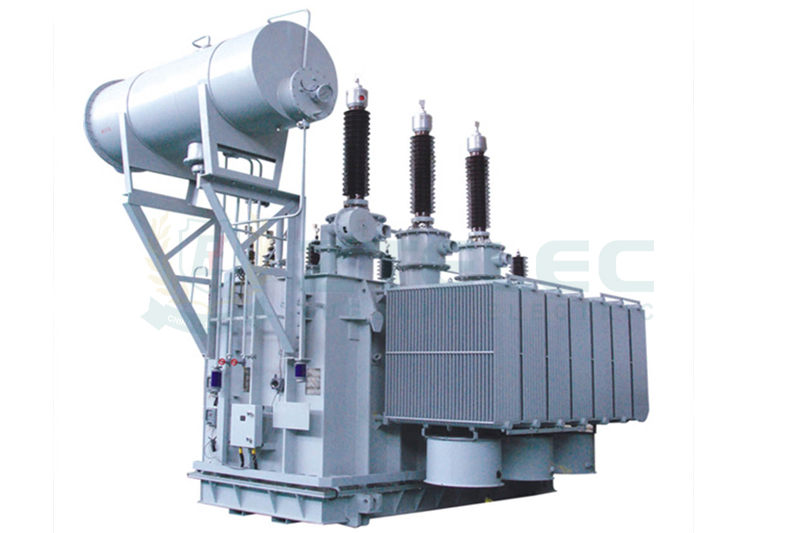
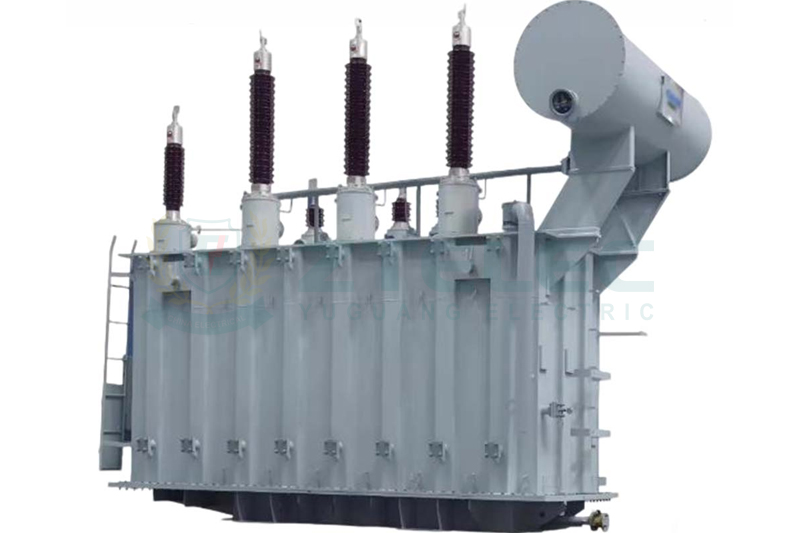
A 500 KVA oil filled transformer, also known as an oil immersed distribution transformer, is designed to transfer electrical energy between different voltage levels while using insulating oil as both the cooling medium and dielectric insulation for the transformer core and windings.
Most standard units adopt the ONAN (Oil Natural Air Natural) cooling method, allowing transformer oil to circulate naturally inside the tank and dissipate heat through cooling fins without requiring external pumps or cooling fans. This design offers high reliability, simple maintenance, and long service life.
Under a typical power factor of 0.8, a 500 KVA transformer can continuously supply approximately 400 kW of active power. However, most electrical engineers recommend operating transformers at approximately 80% to 85% of their rated capacity to maximize efficiency, reduce operating temperature, and extend insulation life.
Typical Technical Specifications
Although specifications vary depending on customer requirements and regional standards, most 500 KVA oil filled transformers include similar core design characteristics.
Primary voltage options commonly include 11 kV, 12.47 kV, 13.8 kV, 22 kV, and 33 kV to match local utility distribution systems. Secondary voltages are typically 400/230 V for three-phase four-wire commercial and industrial applications.
Most transformers utilize ONAN cooling as standard, while ONAF (Oil Natural Air Forced) cooling may be specified when additional overload capability is required.
The most frequently selected vector group is Dyn11, providing stable three-phase power distribution and excellent compatibility with modern electrical networks.
Mineral insulating oil remains the standard dielectric fluid, while biodegradable natural ester fluids such as FR3 are increasingly specified for environmentally sensitive projects and installations with enhanced fire safety requirements.
Transformer cores are generally manufactured using high-quality Cold Rolled Grain Oriented (CRGO) silicon steel, although amorphous alloy cores are becoming increasingly popular for projects focused on minimizing no-load losses and improving energy efficiency.
Customers may choose either copper or aluminum windings. Copper offers lower electrical losses, higher mechanical strength, and smaller transformer dimensions, while aluminum provides a lower initial purchase price and remains a practical solution for many commercial applications.
Most units are equipped with an off-circuit tap changer offering ±2×2.5% or ±5% voltage adjustment. Typical impedance ranges from 4% to 6%, depending on system short-circuit requirements.
A standard three-phase 500 KVA transformer normally contains approximately 200 to 300 liters of insulating oil. Dry weight generally ranges from 1,200 kg to 1,600 kg, while total shipping weight including oil frequently exceeds 2,000 kg.
High-quality transformers are manufactured in accordance with internationally recognized standards including IEC 60076, ANSI/IEEE C57.12 series, CSA, AS, or other applicable national standards depending on the destination market.
500 KVA Oil Filled Transformer Price in 2026
The price of a 500 KVA oil filled transformer depends on numerous technical and commercial factors, including winding material, voltage level, efficiency class, accessories, country of manufacture, and project customization.
For general budgeting purposes in 2026, standard aluminum winding transformers typically range between USD 4,000 and USD 8,000 under EXW factory pricing.
Copper winding transformers generally cost between USD 7,000 and USD 12,000, reflecting higher raw material costs while delivering improved electrical efficiency and longer service life.
Premium custom-built transformers featuring amorphous alloy cores, natural ester insulation fluids, intelligent monitoring systems, online temperature monitoring, seismic certification, or special voltage configurations may range from USD 12,000 to more than USD 20,000.
These prices usually represent equipment cost only and normally exclude transportation, export packing, marine insurance, import duties, taxes, installation, civil foundations, protection equipment, switchgear, commissioning, and local engineering services.
For accurate project budgeting, buyers should request quotations clearly specifying EXW, FOB, CFR, or CIF Incoterms together with a complete breakdown of included accessories and services.

Main Factors Affecting Transformer Price
The choice between copper and aluminum windings has one of the greatest impacts on total transformer cost. Although copper increases the initial investment, it offers lower operating losses, higher conductivity, improved short-circuit strength, and longer expected service life.
Global prices for copper, electrical steel, transformer oil, and structural steel fluctuate continuously. Since these materials account for most manufacturing costs, transformer prices generally follow commodity market trends.
Energy efficiency requirements also influence pricing. Transformers designed to meet DOE 2016 efficiency standards, EU Ecodesign Tier 2 regulations, or other premium efficiency levels require additional core materials and optimized engineering, increasing manufacturing cost while reducing operating losses throughout the transformer’s lifetime.
Higher voltage classes require greater insulation distances, stronger insulation systems, and more complex manufacturing processes. Consequently, a 33 kV transformer typically costs significantly more than an equivalent 11 kV unit.
The selection of dielectric fluid also affects pricing. Conventional mineral oil remains the most economical option, while biodegradable natural ester fluids provide superior environmental performance and higher fire safety at increased cost.
Optional accessories such as Buchholz relays, oil temperature indicators, winding temperature indicators, pressure relief devices, oil level gauges, online monitoring systems, SCADA communication modules, and on-load tap changers all contribute to higher equipment prices.
Manufacturing location, import tariffs, exchange rates, shipping costs, and logistics conditions also influence the final landed cost delivered to the project site.
Finally, customized transformer designs typically require longer production schedules and additional engineering resources, resulting in higher prices compared with standard catalog models.
Oil Filled Transformer vs Dry Type Transformer
When comparing transformers of identical capacity, oil filled transformers generally have a lower purchase price than dry type transformers due to their simpler insulation system and superior cooling performance.
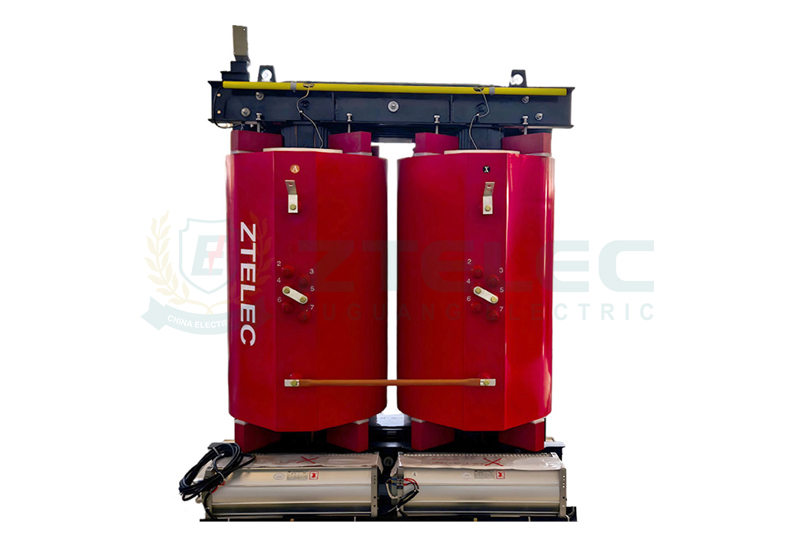
However, dry type transformers eliminate oil leakage risks and offer superior fire safety, making them the preferred solution for indoor installations, commercial buildings, hospitals, schools, underground substations, and environmentally sensitive projects.
For outdoor substations and industrial facilities without strict fire protection or indoor installation requirements, oil immersed transformers usually provide the lowest overall equipment investment.
Maintenance and Lifecycle Cost
Although oil filled transformers offer attractive initial pricing, long-term maintenance should also be considered during project planning.
Routine maintenance normally includes periodic oil sampling, Dissolved Gas Analysis (DGA), oil dielectric strength testing, gasket inspection, oil leakage inspection, moisture control, bushing inspection, and tap changer maintenance where applicable.
When properly maintained, a high-quality 500 KVA oil filled transformer can provide reliable service for 25 to 35 years or even longer, making the initial purchase price only a small portion of its overall lifecycle value.
How to Request an Accurate Quotation
To receive comparable quotations from multiple manufacturers, buyers should provide complete technical specifications rather than requesting pricing based only on transformer capacity.
Important information includes primary voltage, secondary voltage, frequency, vector group, cooling method, insulation fluid, winding material, efficiency standard, installation altitude, ambient temperature, required accessories, applicable IEC or ANSI standards, delivery terms, destination port, and expected delivery schedule.
Providing detailed technical data enables suppliers to prepare accurate quotations while allowing buyers to compare equivalent products instead of simply selecting the lowest price.
Typical Applications
500 KVA oil filled transformers are widely installed in commercial buildings, shopping centers, hospitals, schools, hotels, manufacturing plants, industrial parks, mining operations, utility distribution networks, renewable energy projects, agricultural facilities, infrastructure developments, and medium-sized electrical substations requiring reliable three-phase power distribution.
The 500 KVA oil filled transformer continues to be one of the most economical and versatile transformer ratings for commercial and industrial power distribution in 2026. Depending on specifications, market conditions, and project requirements, equipment prices generally range from approximately USD 4,000 for standard aluminum winding units to more than USD 20,000 for premium customized transformers equipped with advanced efficiency technologies and intelligent monitoring systems.
Before making a purchasing decision, buyers should carefully compare transformer specifications, efficiency ratings, winding materials, insulation fluids, accessories, manufacturing standards, warranty terms, and supplier capabilities rather than focusing solely on initial purchase price.
Note: The prices referenced in this guide represent general global market estimates for budgeting purposes only. Actual quotations vary according to transformer specifications, manufacturing location, order quantity, raw material costs, international freight, exchange rates, and project-specific technical requirements. Always obtain formal quotations from qualified transformer manufacturers before final procurement.