Comprehensive Analysis of Dry-Type Transformers: Performance Advantages, Application Scenarios and Selection Guide
Time:2025-06-3 Auther:ZTelec-www.ztelectransformer.com
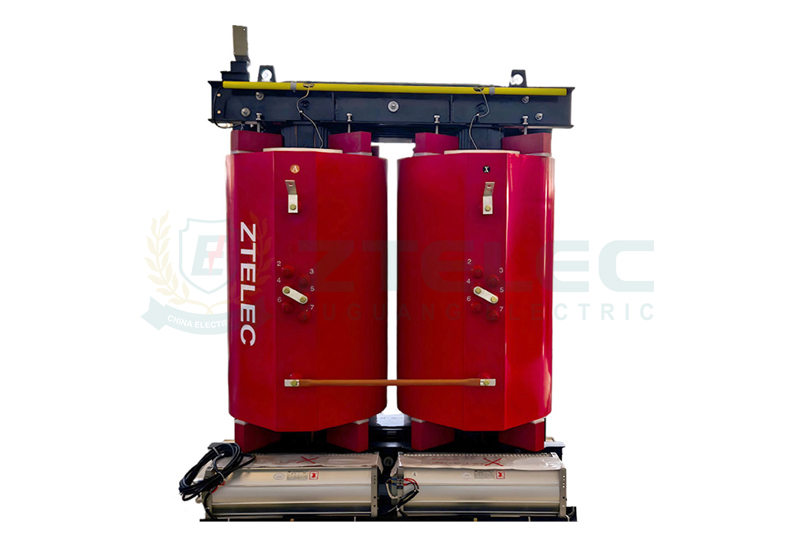
In modern power transmission and distribution systems, dry-type transformers have become essential due to their outstanding safety, low maintenance, and adaptability. Compared with traditional oil-immersed transformers, they offer significant performance benefits across a wide range of industries.
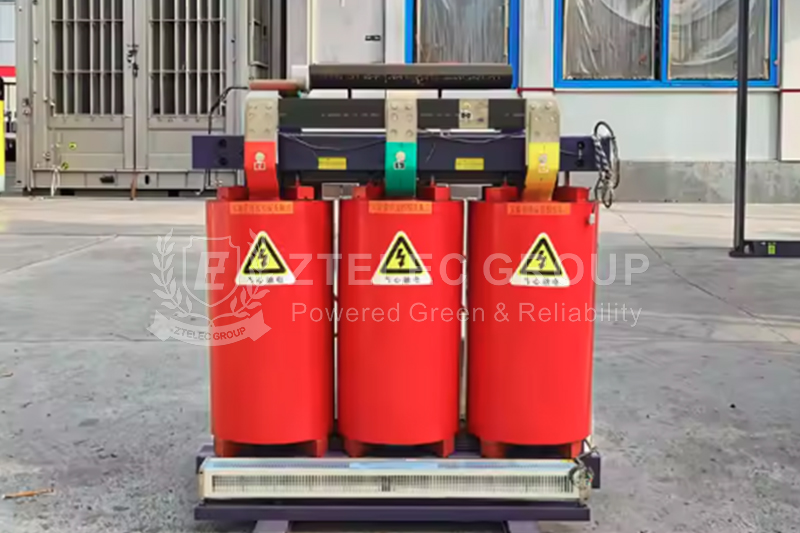
Core Advantages of Dry-Type Transformers
Excellent Safety Performance
Dry-type transformers use flame-retardant insulating materials, eliminating fire and explosion risks. Even under external fire threats, their non-flammable design helps prevent the spread of fire, ensuring power safety.
Convenient Maintenance Characteristics
With no oil leakage or oil aging issues, dry-type transformers require minimal maintenance, which lowers operational costs and reduces labor demands over time.
Flexible Installation Method
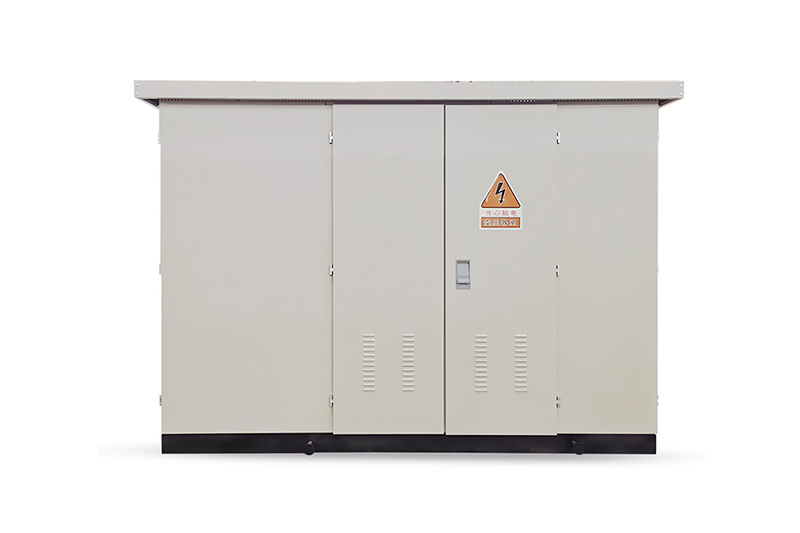
Ideal for indoor use and customizable for outdoor needs, dry-type transformers integrate easily with switchgear, saving space and simplifying installation in compact environments.
Simple Structural Design
The oil-free structure removes the need for oil tanks, valves, and complex safety components. This streamlined design reduces potential faults and improves long-term reliability.
Applications of Dry-Type Transformers
Indoor Power Distribution Systems
Commercial Buildings: Office complexes, malls, and hotels benefit from fire-resistant epoxy insulation, offering safe and clean power supply without oil leakage risks.
Residential Areas: Dry-type transformers are quiet, non-polluting, and meet strict urban environmental requirements for a peaceful living environment.
Data Centers: Their low loss, high reliability, and overload capacity ensure continuous and stable power for sensitive IT systems.
Industrial Applications
Factories and Workshops: With dust, moisture, and corrosion resistance, dry-type transformers perform reliably in harsh industrial settings such as chemicals or mining.
Rail Transit: Subways and railway stations with stringent fire codes benefit from the high fire safety of dry-type transformers in underground environments.
Public Infrastructure
Hospitals and Schools: Safe, quiet, and easy to maintain, these transformers are ideal for facilities where reliability and cleanliness are essential.
Airports and Tunnels: Their stable response to sudden load changes and fire-safe design ensures dependable power for public safety systems.
New Energy and Special Applications
Wind and Solar Farms: Designed to withstand salt spray and high humidity, dry-type transformers are perfect for environments with load fluctuations and intermittent operation.
Marine and Offshore Platforms: Lightweight and oil-free, they avoid leakage risks in offshore environments, ensuring safe deployment.
Nuclear Power: In critical nuclear systems, their high safety standards and maintenance-free design are indispensable.
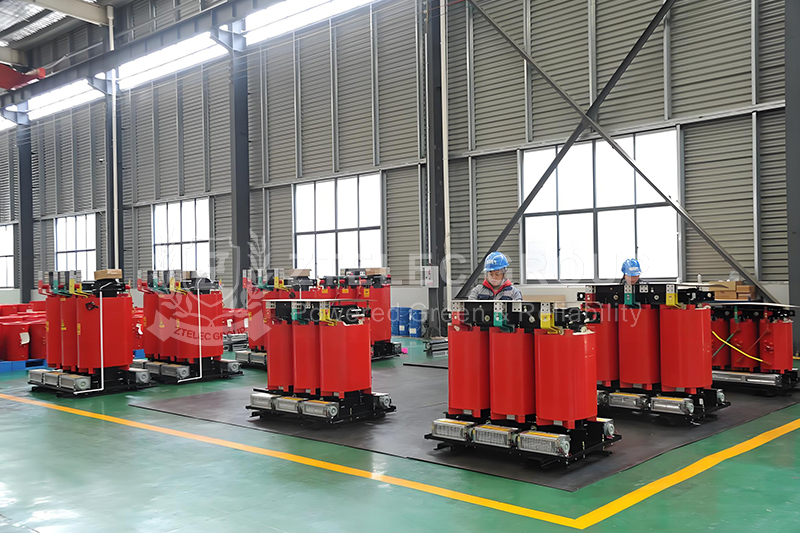
Dry-Type Transformer Selection Guide
Core Demand Matching
Constant Load: Select standard dry-type transformers with high energy efficiency and steady operation.
Impact Load: For motor starts and high inrush currents, choose transformers with strong overload capabilities.
Non-Linear Load: Use anti-harmonic models with high K-factor for devices like inverters to reduce system losses.
Environmental Adaptability: In high humidity, corrosive, or high-temperature zones, prioritize IP54-rated, anti-corrosion models. For limited spaces, opt for compact designs to save room.
Key Performance Selection
Energy Efficiency: Choose Class 1 energy-efficient transformers for long-term use. For short durations, Class 2 models are adequate.
Cooling Method: Natural air cooling suits smaller units; forced air cooling is better for high-capacity or high-temperature environments.
Insulation and Protection: Use F-class insulation for regular cases, H-class for high-heat environments. For indoor use, IP20 protection is recommended; outdoors, choose IP54-rated models.
Safety and Environmental Requirements
Fire and Explosion Prevention: Oil-free and flame-retardant designs ensure dry-type transformers meet strict fire safety regulations.
Environmental Compliance: Opt for transformers using recyclable, epoxy-free materials in line with RoHS and other green standards.