How to Choose a Low-Voltage Dry-Type Distribution Transformer
Time:2026-01-29 Auther:ZTelec-www.ztelectransformer.com
Low-voltage dry-type distribution transformers are a critical component of modern power systems and are widely used in commercial buildings, industrial plants, data centers, and renewable energy projects. Selecting the right transformer directly affects power supply safety, system stability, long-term operating costs, and overall energy efficiency. This guide outlines the key factors to consider when choosing a low-voltage dry-type distribution transformer.

Determine the Rated Capacity and Voltage Rating
Rated capacity is a fundamental parameter that defines the transformer’s load-carrying capability and is typically expressed in kVA or kW. Selection should be based on the actual total load demand, expected future expansion, and load characteristics such as resistive, inductive, or nonlinear loads.
To ensure reliable operation, it is recommended to reserve a capacity margin of approximately 10% to 25%. This allowance helps accommodate peak load conditions and future load growth without overstressing the transformer.
Input and output voltage ratings must also be carefully matched. Low-voltage dry-type distribution transformers are commonly used in systems rated at 380/400V or 220/230V. The input voltage must align with the utility supply, while the output voltage must meet the requirements of connected electrical equipment to prevent inefficiency, overheating, or equipment damage.
Select the Appropriate Insulation Class and Temperature Rating
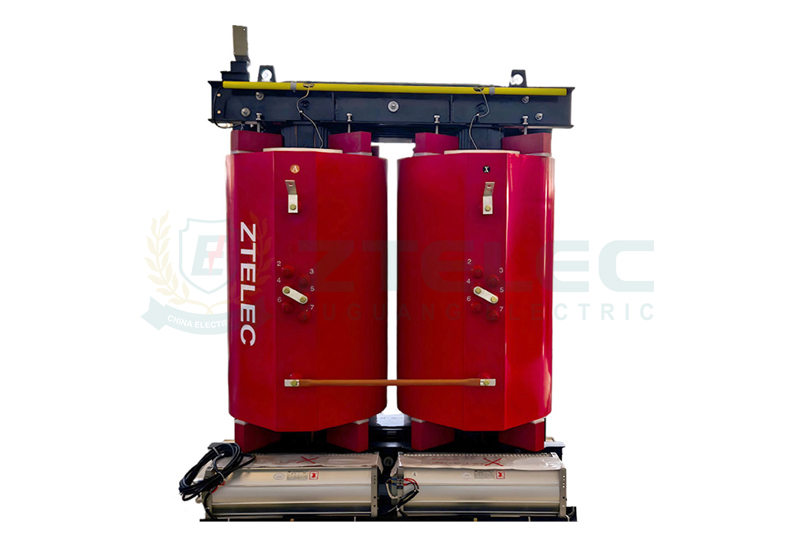
Dry-type transformer windings typically use F-class or H-class insulation materials, including DMD insulation paper, Nomex insulation paper, and epoxy fiberglass boards. When selecting insulation class, several factors should be evaluated.
Ambient temperature is a key consideration. For installations in high-temperature environments or outdoor locations, a higher insulation temperature rating is recommended. Operating duration under high load conditions should also be considered, as long-term heavy loading requires insulation systems with greater thermal endurance.
Compliance with applicable safety standards such as IEC and GB is essential. Choosing an appropriate insulation class helps extend transformer service life and reduces the risk of thermal failure and maintenance issues.
Assess the Installation Environment and Operating Conditions
Installation location has a significant impact on transformer selection. For indoor installations, factors such as available space, ventilation conditions, and floor load-bearing capacity should be evaluated during the design stage.
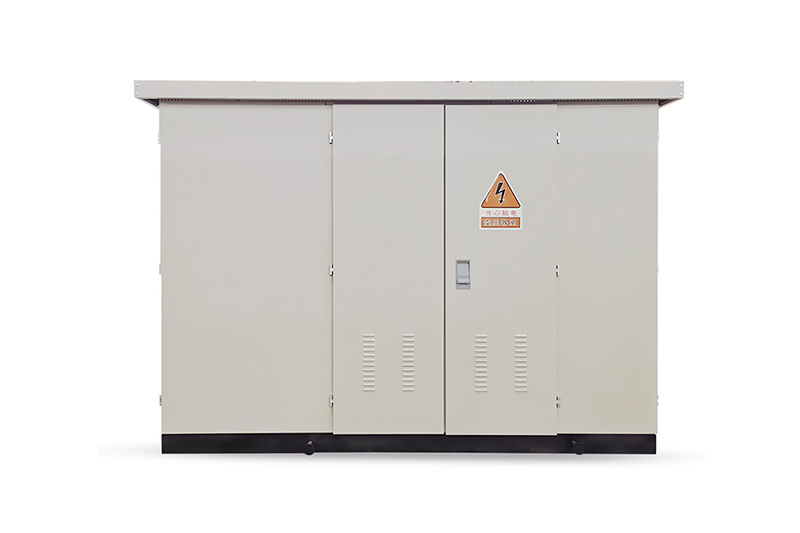
For outdoor or semi-outdoor installations, particularly in photovoltaic or wind power projects, the transformer enclosure should have a protection rating of at least IP23. This ensures adequate resistance to moisture, dust, and corrosion under challenging environmental conditions.
Cooling method selection is equally important. Low-voltage dry-type transformers commonly use AN (natural air self-cooling) or AF (forced air cooling) methods. AN cooling offers lower noise levels and is suitable for noise-sensitive environments, while AF cooling can increase load capacity quickly and is beneficial for applications with variable or peak loads.

Focus on Core Design and Safety Features
Winding material and manufacturing process directly influence transformer performance and reliability. Copper windings are widely used due to their high electrical conductivity, low losses, and strong mechanical strength.
Foil winding technology provides excellent short-circuit withstand capability and enhanced heat dissipation, making it suitable for large-capacity transformers or applications exposed to frequent short-circuit stresses.
Core materials typically include cold-rolled silicon steel sheets or amorphous alloy materials. Amorphous alloy cores offer significantly lower no-load losses, often reducing losses by 60% to 70% compared with conventional silicon steel cores. This makes them ideal for applications with long operating hours and relatively light loads.
Safety and compliance should not be overlooked. The transformer should meet relevant certification requirements, such as CCC for China, CE for Europe, and UL for North America. In addition, a reliable temperature protection system using PT100 sensors and temperature controllers should be installed to provide alarm and trip protection, ensuring safe operation under abnormal conditions.
Consider Energy Efficiency and Loss Performance
No-load loss and load loss are key indicators when evaluating transformer efficiency. Although high-efficiency transformers may have a higher initial purchase cost, they significantly reduce energy consumption and operating expenses over the equipment’s lifetime.
It is recommended to select transformers that comply with IEC 60076-20 or equivalent energy efficiency standards to meet modern energy-saving and environmental requirements.
Choose a Reliable Supplier and Service Partner
A reliable transformer supplier should provide professional technical guidance and selection support, along with customization options to adjust dimensions, appearance, interfaces, and other parameters according to project needs.
Comprehensive quality assurance, a robust after-sales service network, and long-term lifecycle support are equally important to ensure stable operation and protect your investment.
Get Expert Selection Advice
If you are planning to select a low-voltage dry-type distribution transformer, feel free to contact us. Please provide details such as required capacity, voltage level, installation environment, and energy efficiency requirements. Our technical team will offer free customized selection guidance and optimized solutions to help you achieve safe, efficient, and cost-effective power distribution.