How to Ship a Transformer Overseas: Packing & FOB vs CIF
Time:2026-11-10 Auther:ZTelec-www.ztelectransformer.com
Shipping a transformer overseas is not like shipping ordinary cargo. A power transformer is heavy, has a high centre of gravity and contains delicate parts such as bushings, windings and, in many cases, insulating oil. A weak packing plan or a wrong trade term can turn a good purchase into a costly claim.
This guide explains the full export process: packing, container loading, export documents, and the choice between FOB and CIF. It is written for buyers, project engineers and procurement teams who import oil-immersed transformers, dry type transformers and distribution transformers from a manufacturer.

Plan the Shipment Before the Transformer Is Finished
Confirm the key dimensions and weight
Shipping starts at the design stage. Ask your transformer supplier for the outline drawing, the gross weight, the transport weight (with and without oil) and the centre of gravity. These numbers decide the container type, the lifting equipment and the route.
For large units, check the width and height against port, road and rail limits. A transformer that fits in a container at the factory may still be too heavy for the local road at the destination.
Choose the shipping mode
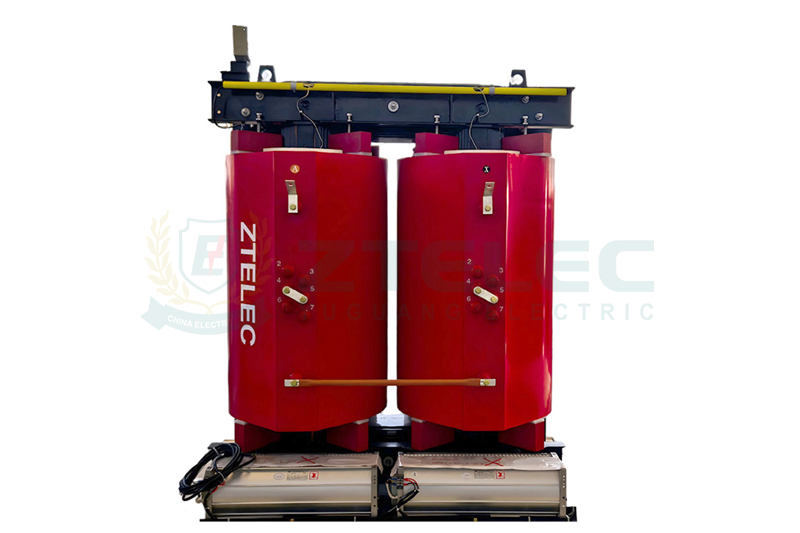
Most small and medium units go by sea. Distribution transformers and dry type transformers usually fit in a standard 20 ft or 40 ft container. Larger power transformers may need an open-top container, a flat rack or a break-bulk vessel.
Air freight is rare because of weight, but it can be used for urgent spare parts such as bushings, tap changers or protection relays.
Transformer Packing: Protecting the Unit at Sea
Oil-filled or oil-free transport
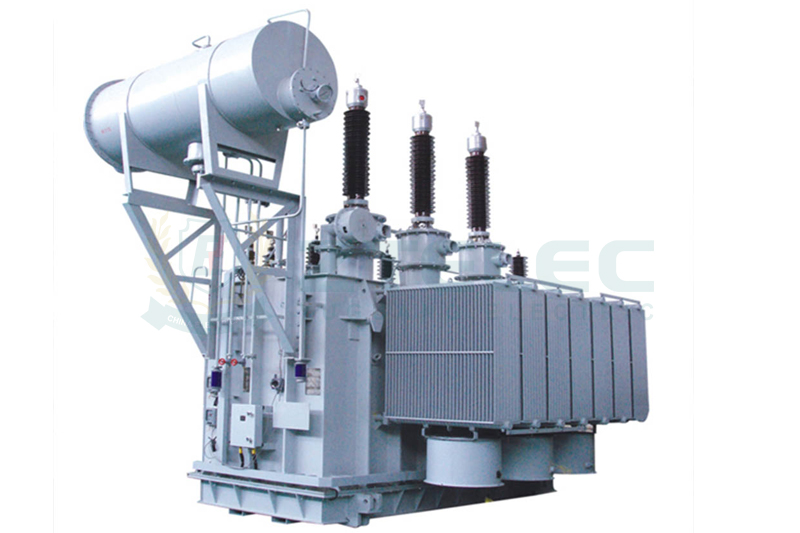
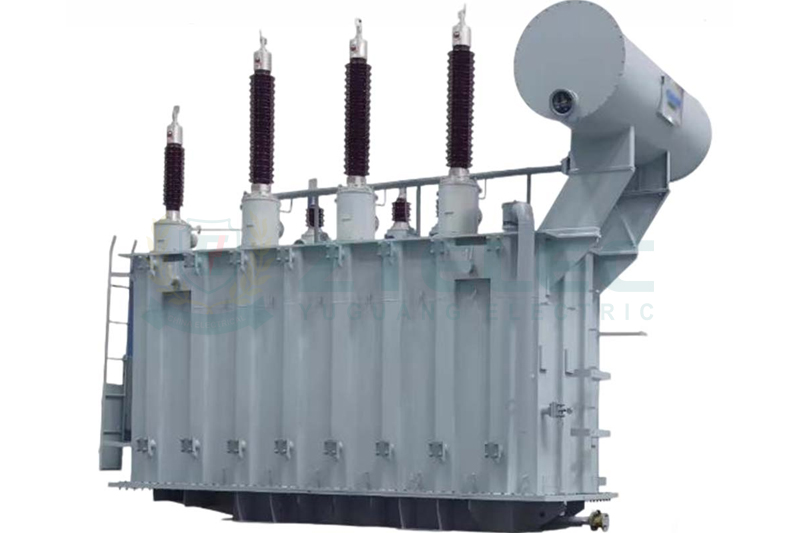
An oil-immersed transformer can be shipped in two ways. Small and medium units are often shipped fully filled with oil, which is simple and keeps the insulation protected. Larger units are often shipped without oil, filled with dry air or nitrogen at a slight positive pressure, to reduce weight and the risk of leaks.
If the unit is shipped gas-filled, a pressure gauge and a gas cylinder should be fitted so the pressure can be checked on arrival. A drop to zero pressure may mean moisture has entered the tank, which must be handled before commissioning.
Remove and pack fragile parts separately
Items that stick out of the tank are the most likely to break. Radiators, conservator, bushings, buchholz relay, oil level gauge and cooling fans are usually removed and packed in separate wooden cases. Open flanges are covered with blind plates and sealed.
Porcelain and composite bushings need foam wrapping and a rigid support. Each case should carry a packing list and clear marks so that the site team can find every item on arrival.
Base, bracing and weather protection
The transformer sits on a steel skid or base frame with lifting lugs, so it can be lifted by crane or moved by skates. The tank is blocked and braced against the container floor or the vessel deck to prevent any sliding or tipping.
For sea freight, wrap the unit in waterproof film or use a sealed bag with desiccant. Add VCI anti-rust protection to bare metal parts. Salt air and condensation are the main enemies of a transformer on a long voyage.
Impact recorder
For valuable power transformers, fit a three-axis impact recorder to the tank. It records shocks during handling, truck transport and shipping. If a claim is needed later, the data shows when and how strongly the unit was hit.
Container Loading and Securing
Match the container to the cargo
A 40 ft high-cube container suits many medium-size distribution transformers. For taller or heavier units, an open-top container allows crane loading from above. A flat rack handles oversized cargo but exposes it to weather, so extra covering is needed.
Check the container’s payload limit and the weight distribution. Concentrated weight on a small area of the floor can damage the container, so use wooden beams or steel plates to spread the load.
Lashing and blocking
Use steel straps or wire lashings fixed to the container lashing points, together with timber blocking at the sides and ends. The goal is to stop all movement forward, backward and sideways, since braking and rough seas create strong forces.
Follow the CTU Code (the IMO, ILO and UNECE guidelines on packing cargo transport units) when securing the cargo. A loading photo record, taken before the doors are closed, is also useful evidence if there is a dispute later.
Loading supervision
Ask the transformer manufacturer to supervise loading, or hire a third-party inspector. A short check of tank condition, seals, accessories and lashing before the container is sealed can prevent most transit damage.
Export Documents You Need
Core shipping documents
Most shipments need a commercial invoice, a packing list and a bill of lading or sea waybill. The invoice must show the correct buyer, goods description, price and trade term. The packing list should show the number of packages, gross and net weights and dimensions.
Origin, test and quality documents
A certificate of origin is often needed for customs clearance and for any preferential tariff. Many buyers also ask for the factory test report, the routine test certificate and sometimes the type test report, to show that the unit meets the contract and the relevant IEC or IEEE standard.
Include the oil test report, the insulating oil specification and the safety data sheet. Mineral transformer oil is commonly treated as non-dangerous cargo for transport, but always check the safety data sheet and the carrier’s rules before booking.
Customs classification
Transformers fall under HS heading 8504. Liquid dielectric transformers above 650 kVA and up to 10,000 kVA are classified under subheading 8504.22, while smaller units fall in 8504.21. Dry type transformers use different subheadings. Your customs broker should confirm the exact code for your unit and your country.
Insurance and other certificates
Where the contract requires it, add an insurance certificate, a fumigation certificate for wooden packing (or a statement that the wood is heat-treated and marked under ISPM 15), and any import licence required by the destination country.

FOB vs CIF: Which Trade Term Should You Choose?
The Incoterms rules, now in the 2020 edition, define who pays for what and where risk passes from seller to buyer. For sea shipments of transformers, FOB and CIF are the two terms most often used in quotations.
FOB: Free On Board
Under FOB, the seller delivers the goods on board the vessel at the named port of loading and clears them for export. From that point, the buyer carries the risk and pays the sea freight, insurance and import costs.
FOB gives the buyer control. You choose the forwarder, negotiate the freight rate and decide the insurance. It suits experienced importers, buyers with a regular logistics partner, and projects where freight is bought at a corporate rate.
CIF: Cost, Insurance and Freight
Under CIF, the seller arranges and pays the sea freight to the named destination port and buys minimum cargo insurance. Risk still passes to the buyer once the goods are on board at the loading port, even though the seller pays for the voyage.
CIF is simple for the buyer, because one price covers the unit, the freight and basic insurance. It suits first-time importers and buyers who want a single quotation to compare.
Key differences in a transformer purchase
| Point | FOB | CIF |
|---|---|---|
| Who books the vessel | Buyer | Seller |
| Who pays sea freight | Buyer | Seller (included in price) |
| Insurance | Buyer decides | Seller buys minimum cover |
| Risk transfers | On board at loading port | On board at loading port |
| Buyer control over freight | High | Low |
| Price comparison | Needs freight added | Easier to compare |
A point many buyers miss: CIF insurance is minimum cover
The insurance under CIF is normally the minimum level, such as Institute Cargo Clauses (C), at 110 percent of the contract value. That cover is narrow and may not include some damage types. For a high-value power transformer, ask for wider cover (such as Institute Cargo Clauses (A)) and agree it in the contract.
Other terms to consider
For containerised cargo, FCA and CIP are often more accurate than FOB and CIF, because risk passes when the goods are handed to the carrier, not when they cross the ship’s rail. If your transformer travels in a container, discuss these terms with your supplier and forwarder.
For heavy project cargo, consider whether the supplier should also handle inland transport to the site. In that case, DAP or a clear split of responsibilities is better than a plain FOB or CIF price.
Arrival, Inspection and Claims
Check on arrival
When the container arrives, inspect it before unloading. Check the seals, the impact recorder, the gas pressure (for gas-filled units), oil leaks and any visible damage. Take photos and note all findings on the delivery document before signing.
Notify quickly
If damage is found, notify the carrier, the insurer and the transformer supplier within the time set by the contract and the insurance policy. Late notice can weaken a claim. Keep the packing photos, loading records and the impact data, because the insurer will ask for them.
Site handling and commissioning
After unloading, follow the manufacturer’s instructions for assembly, oil filling, vacuum treatment and pre-commissioning tests. For an oil-immersed transformer shipped without oil, vacuum filling and oil processing are important steps that protect the insulation.
Practical Checklist in Plain Words
Before you place an order, confirm the weight, dimensions and shipping mode with the supplier. Agree whether the unit travels oil-filled or oil-free, and which parts are packed separately. Define the packing standard, the loading supervision and the impact recorder in the contract.
Next, list the documents you need, including test reports and the certificate of origin. Choose the trade term that fits your logistics skills: FOB if you want control, CIF if you want a single price, and wider insurance in either case.
Finally, plan the arrival: port handling, customs clearance, inland transport and site lifting. A transformer that is well packed but poorly handled at the last kilometre can still be damaged.
Good export shipping is a mix of engineering and paperwork. Strong packing, correct container loading and complete documents protect the transformer, while the right trade term protects your budget and your risk position.
If you are planning to import a power transformer, distribution transformer or dry type transformer, send your voltage, kVA rating, destination port and preferred trade term to your supplier. A clear shipping plan from the start saves time, cost and claims later.