Maintaining Dry-Type Transformers: Why Proper Cleaning Matters
Time:2026-02-5 Auther:ZTelec-www.ztelectransformer.com
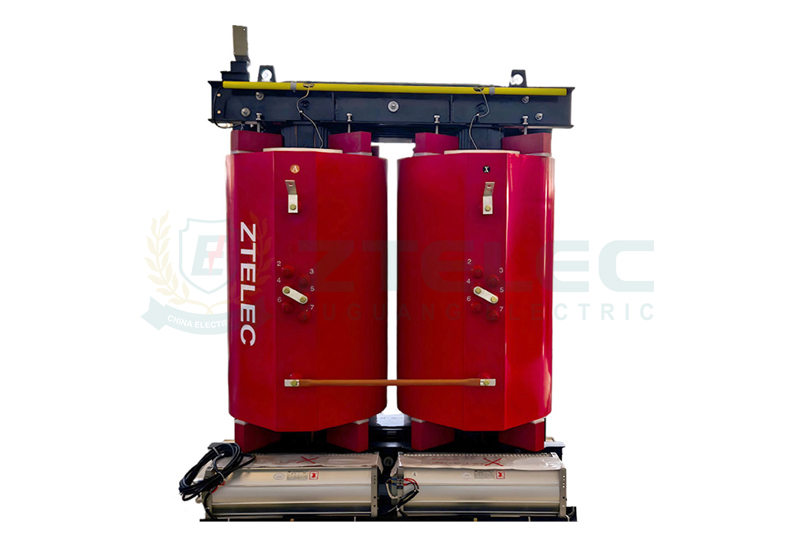
Dry-type transformers are widely used in industrial power distribution systems, commercial buildings, renewable energy projects, and rail transportation due to their high safety level, environmental friendliness, and low maintenance requirements. However, during routine operation and maintenance, proper cleaning is often underestimated or neglected.
In reality, standardized and correct cleaning of dry-type transformers has a direct impact on operational safety, insulation reliability, service life, and the stable performance of the entire power distribution system.

Why Do Dry-Type Transformers Accumulate Contaminants?
Dry-type transformers are typically installed in power distribution rooms, equipment rooms, or industrial environments. Over long-term operation, various contaminants naturally accumulate on transformer surfaces and internal components.
Common contaminants include airborne dust and fibers introduced through ventilation, conductive metal particles from mechanical wear or the surrounding environment, moisture and salt caused by humidity fluctuations or coastal conditions, and oil or chemical residues originating from nearby industrial equipment or production processes.
These contaminants gradually increase operational risks and can severely compromise transformer performance if not properly removed.
Serious Consequences of Incomplete Cleaning
Reduced Heat Dissipation and Abnormal Temperature Rise
Dust accumulation on windings and ventilation channels restricts airflow, resulting in poor heat dissipation. Prolonged high operating temperatures accelerate insulation aging and significantly shorten transformer service life.
Decreased Insulation Performance and Breakdown Risk
When moisture mixes with dust or chemical residues, conductive paths can form on insulation surfaces. This may lead to surface discharge, creepage faults, and localized insulation breakdown.
Partial Discharge and Abnormal Noise
Severe contamination can trigger partial discharge phenomena, often accompanied by high-frequency abnormal noise and vibration. Long-term operation under these conditions may cause serious internal damage.
Increased Maintenance Costs and Downtime Risk
Failures caused by contamination usually result in repair costs far exceeding routine cleaning expenses. Unplanned outages may disrupt production processes, affect critical loads, and create major safety hazards.

Six Key Steps for Proper Dry-Type Transformer Cleaning
Safety Preparation
Before cleaning, completely disconnect the power supply and strictly follow lockout and tagging procedures. Ensure the transformer has cooled to a safe temperature and wear appropriate personal protective equipment.
Selection of Appropriate Cleaning Methods
Dry cleaning is recommended using low-pressure dry compressed air with pressure controlled below 3 bar or soft, non-metallic brushes. Vacuum cleaning with an industrial vacuum equipped with a HEPA filter helps prevent dust dispersion.
Wet cleaning should only be used when absolutely necessary and must involve cleaners specifically designed for electrical equipment. The use of ordinary water or solvents is strictly prohibited.
Systematic Cleaning Sequence
Cleaning should proceed from top to bottom to avoid contaminating lower components. Special attention should be given to windings, ventilation channels, insulation supports, bushings, core surfaces, connection points, cooling fans, and ventilation grilles.
Handling Stubborn or Special Contaminants
Oil stains or hardened deposits should be treated using manufacturer-recommended cleaning agents. Always test the cleaner on an inconspicuous area to ensure compatibility with insulation materials.
Drying Process
If wet cleaning is applied, the transformer must be completely dried before re-energization to prevent moisture-related insulation failures.
Post-Cleaning Inspection and Testing
After cleaning, visually inspect the transformer to confirm that no contaminants remain. Measure insulation resistance and compare results with historical records. Verify that all electrical connections remain secure.
When Is Professional Cleaning Service Recommended?
Although routine surface cleaning can be performed by qualified electricians, professional dry-type transformer cleaning services are strongly recommended in certain situations.
These situations include transformers operating for more than five years without deep cleaning, installations in chemical, mining, or coastal environments, noticeable decreases in insulation resistance, or prior to partial discharge testing and comprehensive diagnostic assessments.
Many dry-type transformer failures are not caused by design or manufacturing defects, but by long-term neglect of cleaning and maintenance. Integrating proper cleaning into standardized operation and maintenance procedures significantly improves equipment reliability and ensures stable power system performance.
If you have questions regarding operating environments, maintenance planning, or insulation selection for dry-type transformers, developing a scientific cleaning and maintenance strategy based on actual operating conditions is essential to ensure long-term safe and efficient operation.