New Requirements for Solar Duty Transformer: Sizing Accuracy, Inverters, and E-Shield Design
Time:2026-02-25 Auther:ZTelec-www.ztelectransformer.com
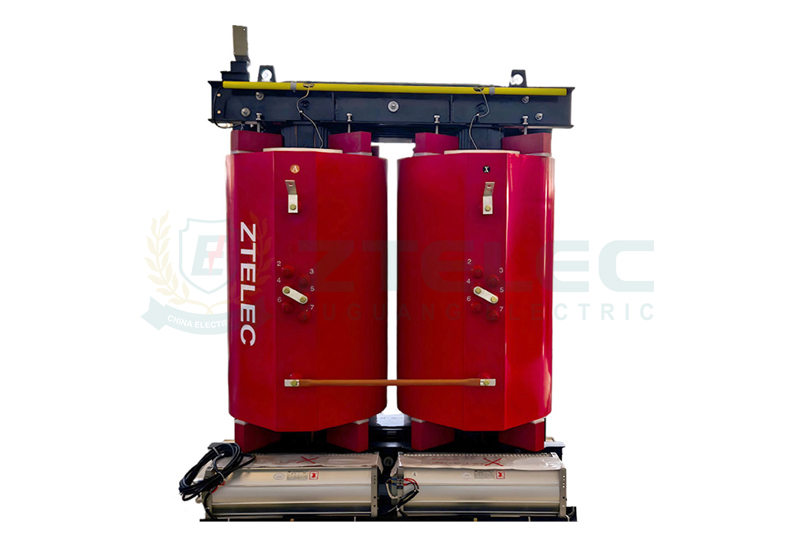
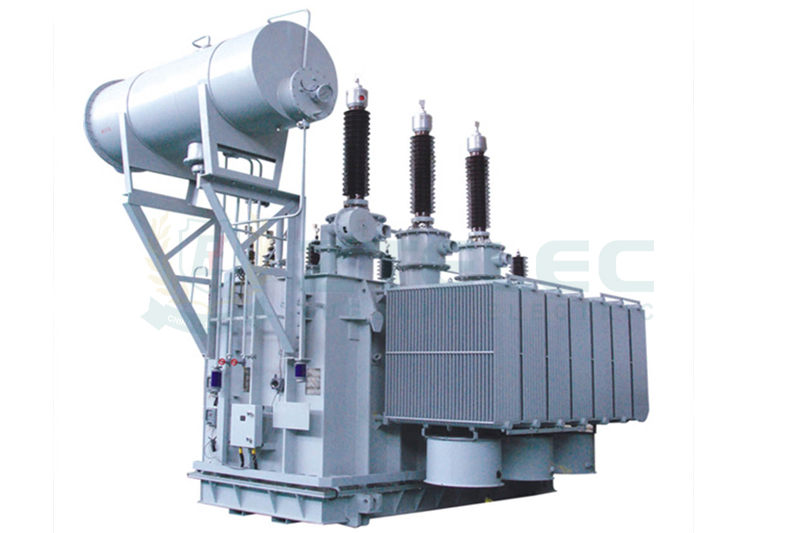
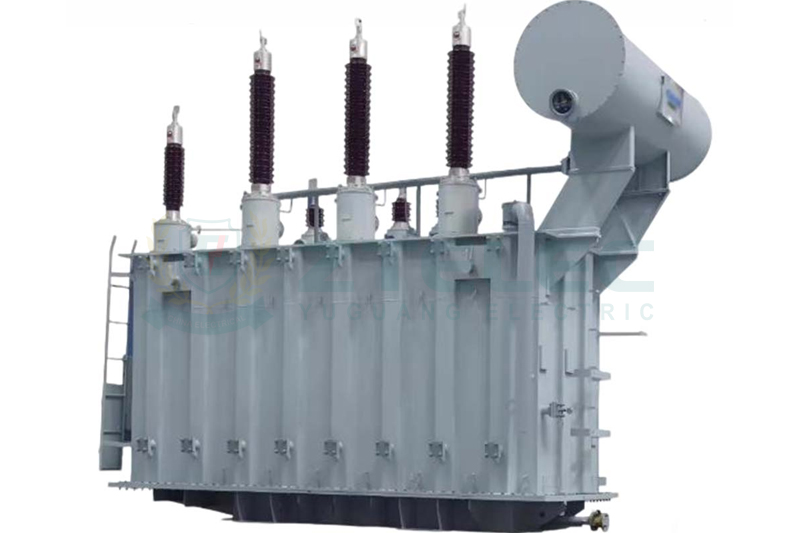
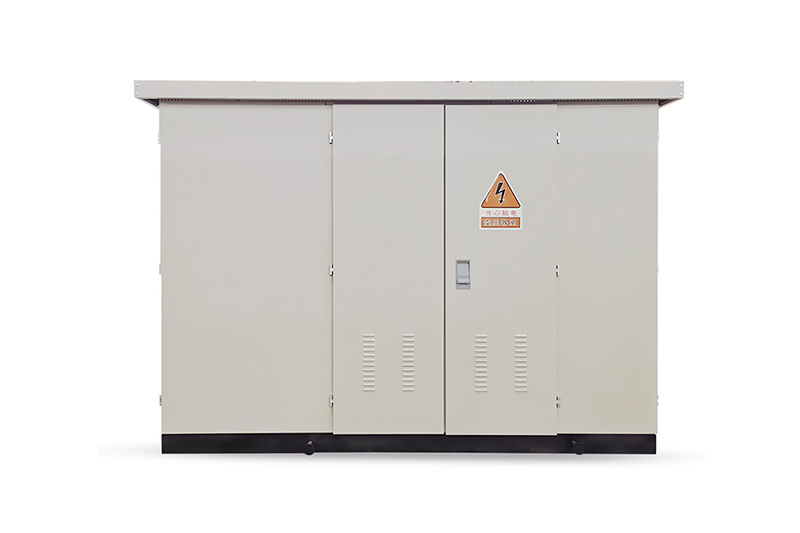
With the rapid expansion of global photovoltaic (PV) installations, solar power systems are evolving toward higher power density, greater integration, and improved reliability. As a core component in PV systems, solar duty transformers are now required to meet more advanced technical standards than ever before.
Compared with traditional applications, modern PV projects demand higher performance in three key areas: dimensional accuracy, inverter compatibility, and electromagnetic shielding (E-Shield) design. These factors directly impact system stability, installation efficiency, and overall project quality.

Higher Requirements for Dimensional Accuracy
In earlier transformer designs, conservative structural approaches often resulted in oversized equipment. However, emerging PV applications such as building-integrated photovoltaics (BIPV), residential energy storage systems, and DC-coupled solutions now require compact and highly integrated designs.
Dimensional accuracy plays a critical role in ensuring seamless system integration. Transformers must fit precisely within compact enclosures alongside inverters, switchgear, and distribution cabinets. Even small deviations in size can lead to installation difficulties, increased labor costs, and project delays.
Additionally, higher power density requirements push designers to reduce core size by increasing operating frequency. This requires extremely precise control of winding processes, insulation distances, and creepage paths to maintain safety and performance under high-frequency conditions.
Modern PV manufacturing also relies heavily on automated production lines. Transformer mounting positions, terminal layouts, and structural tolerances must meet strict precision standards—often at millimeter or even micrometer levels—to ensure compatibility with automated assembly systems.
Impact of Inverter Technology on Transformer Design
Photovoltaic inverters are rapidly advancing toward higher capacity and higher voltage platforms. As inverter power increases, transformers must deliver improved overload capability, enhanced insulation strength, and better thermal management.
Traditional transformer designs based on fixed operating conditions are no longer sufficient. Instead, transformer performance must be optimized based on real inverter operating profiles.
Another major challenge comes from harmonics generated during inverter operation. These harmonics can increase core losses, cause additional heating, and impose complex electrical stresses on insulation systems. Without proper design adaptation, transformer lifespan and system stability may be compromised.
Therefore, harmonic analysis and inverter-transformer matching have become essential steps in modern PV system design.

Electromagnetic Shielding (E-Shield) Design in PV Systems
PV systems are highly integrated electrical environments that include communication modules, sensors, and control systems. Inadequate electromagnetic shielding in transformers can lead to system-wide interference issues.
Effective E-Shield design plays several critical roles. It helps prevent communication interference in systems using 4G, Wi-Fi, or power line carrier technologies. Transformer leakage magnetic fields can disrupt signal transmission, but properly designed shielding layers—such as copper or aluminum foil—can significantly reduce interference.
Electromagnetic shielding is also essential for meeting electromagnetic compatibility (EMC) standards required for grid connection in many countries. Poor shielding design may result in failed compliance tests, delaying project approvals.
In addition, proper shielding enhances operational safety by reducing electric field coupling and leakage currents, minimizing potential risks to both equipment and personnel.
Common shielding practices include installing grounded shielding layers between primary and secondary windings and using conductive or magnetic materials to form structures similar to a Faraday cage, providing comprehensive electromagnetic protection.
As photovoltaic systems continue to evolve, solar duty transformers must adapt to new technical demands. Dimensional precision, inverter compatibility, and electromagnetic shielding are no longer optional features but essential requirements for modern PV applications.
For PV system integrators and inverter manufacturers, selecting transformers with high accuracy, strong compatibility, and advanced shielding capabilities is key to building efficient, reliable, and competitive solar power systems.