Power Trhttps://www.ztelectransformer.com/wp-admin/edit.phpansformer Selection Becomes Critical in High-Rise Building Power Systems
Time:2026-08-10 Auther:ZTelec-www.ztelectransformer.com
With rapid urbanization accelerating worldwide, high-rise and super high-rise buildings have become a defining feature of modern cities. Building functions are no longer limited to residential use. Today’s towers often integrate commercial complexes, office spaces, hotels, medical centers, and mixed-use facilities within a single structure.
In these complex environments, the power supply system must operate continuously and reliably. Transformer selection therefore becomes a critical factor that directly affects electrical safety, operational efficiency, noise control, and long-term maintenance costs. A well-planned transformer configuration not only supports stable power delivery but also plays an important role in energy management and equipment lifespan.

Unique Characteristics of High-Rise Building Power Systems
Compared with conventional low-rise buildings, high-rise power systems present several distinct challenges that place higher demands on transformer performance and reliability.
Electrical loads are highly concentrated, and the total installed capacity is significantly larger. Power must be transmitted vertically over long distances, which increases voltage drop and energy loss. A large proportion of the load consists of critical systems such as fire protection equipment, elevators, ventilation, and air conditioning. In addition, many electrical systems operate continuously for extended periods, leaving little tolerance for power interruptions.
These characteristics mean that transformers in high-rise buildings are not merely basic power supply devices. They are core components that determine whether the entire electrical system can operate safely and efficiently over the long term.
Key Considerations When Selecting Transformers for High-Rise Buildings
Transformer Type Selection
One of the first decisions in transformer selection is choosing between dry-type transformers and oil-immersed transformers. Each type serves a different role within a high-rise power system.
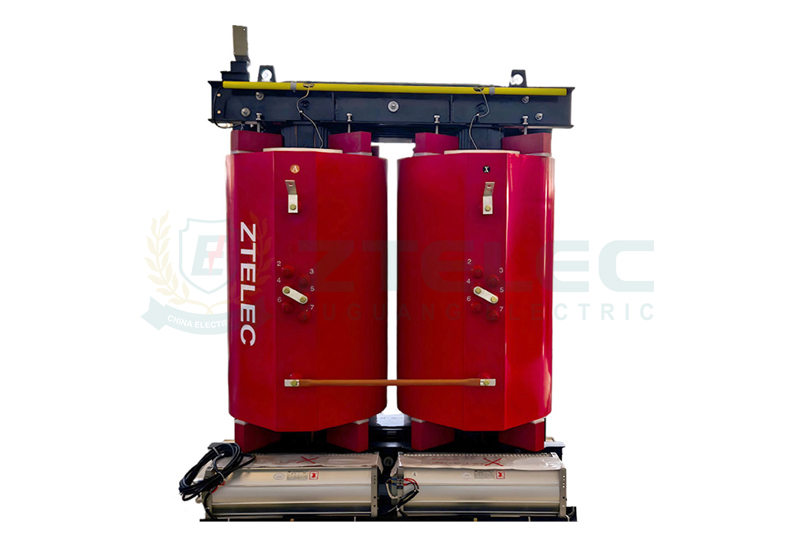
Dry-type transformers use resin or air insulation and are known for their strong fire and explosion resistance. Because they do not contain insulating oil, there is no risk of oil leakage. They can be installed indoors, such as in floor-level distribution rooms or core areas of the building, without the need for oil pits or firewalls. Maintenance requirements are relatively simple.
However, dry-type transformers typically have higher purchase costs and are usually limited to medium capacities. Operating noise levels are also higher compared with oil-immersed designs, which must be considered during layout planning.
In high-rise buildings, dry-type transformers are commonly used in distributed power supply systems where the load center is close to the consumption area, especially for indoor secondary distribution.
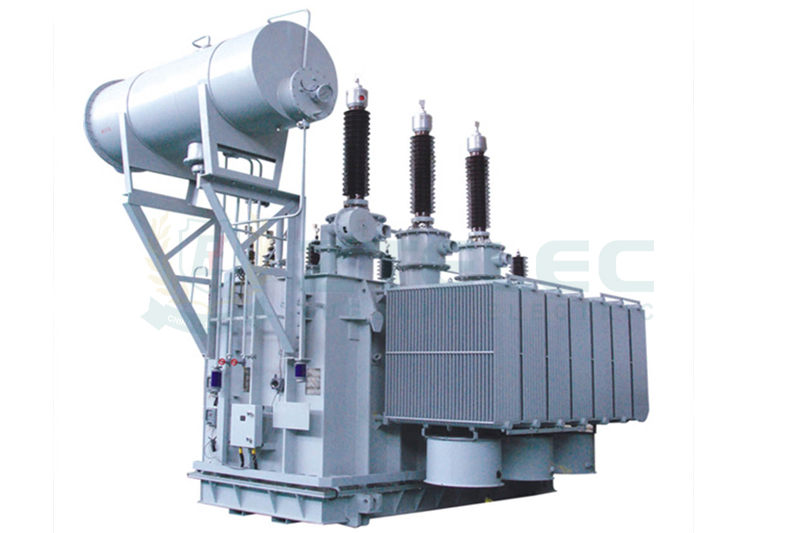
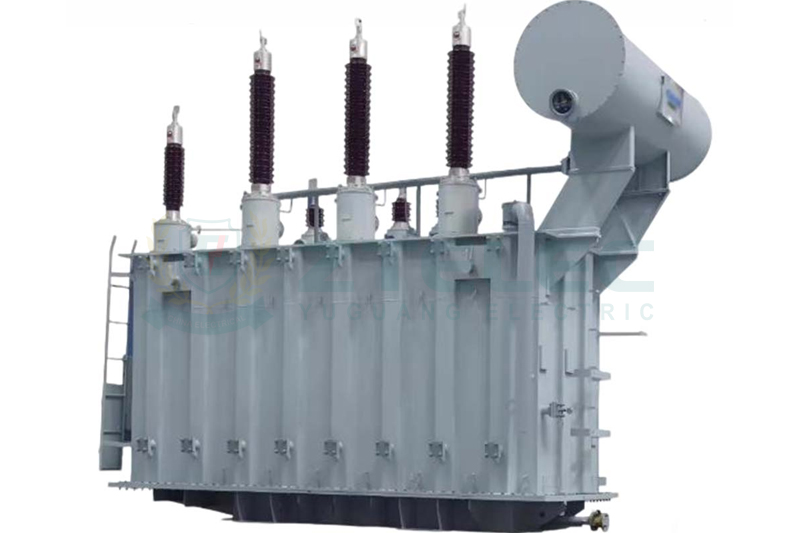
Oil-immersed transformers offer a wider capacity range, higher efficiency, stronger overload capability, lower operating noise, and longer service life. Their initial cost is generally lower for the same capacity level.
The main limitation is installation. Oil-immersed transformers require dedicated transformer rooms or outdoor placement, along with oil containment pits and fire protection systems. This increases space requirements and imposes stricter fire safety design standards.
As a result, oil-immersed transformers are typically installed in main substations located in basements or podium levels. They receive high-voltage power from the utility grid and perform the primary voltage reduction for the entire building.

Energy Efficiency and Lifecycle Cost
When evaluating transformer options, it is important to look beyond the initial purchase price. In most building projects, the transformer’s procurement cost accounts for only a small portion of its total lifecycle cost.
Energy losses from no-load and load operation can represent the majority of long-term expenses. High-efficiency transformers that meet advanced energy efficiency standards often require a higher upfront investment, but the resulting electricity savings can usually offset this cost within a few years. Over the full service life, the economic benefits are substantial.
Capacity Configuration and Load Planning
Proper capacity selection is essential to avoid both overload risks and unnecessary investment. In single high-rise residential buildings, transformer capacities are typically configured within a medium range. Commercial complexes and office buildings usually require higher total capacity due to dense and variable loads.
For super high-rise buildings, a multi-transformer configuration combined with zoned power supply is often recommended. This approach improves reliability, simplifies maintenance, and allows better load management across different functional areas.
Rational capacity planning ensures stable operation while preventing resource waste and excessive energy losses.
Cooling Method and Noise Control
Transformer cooling methods have a direct impact on heat dissipation efficiency and noise levels. Natural air cooling relies on convection and produces minimal noise, making it suitable for small to medium capacities or installations with stable load conditions.
Forced air cooling enhances heat dissipation through automatically controlled fans. This method is effective where load fluctuations are large or installation space is limited. However, fan noise must be carefully considered, especially in noise-sensitive areas of high-rise buildings.
Protection Rating and Fire Safety
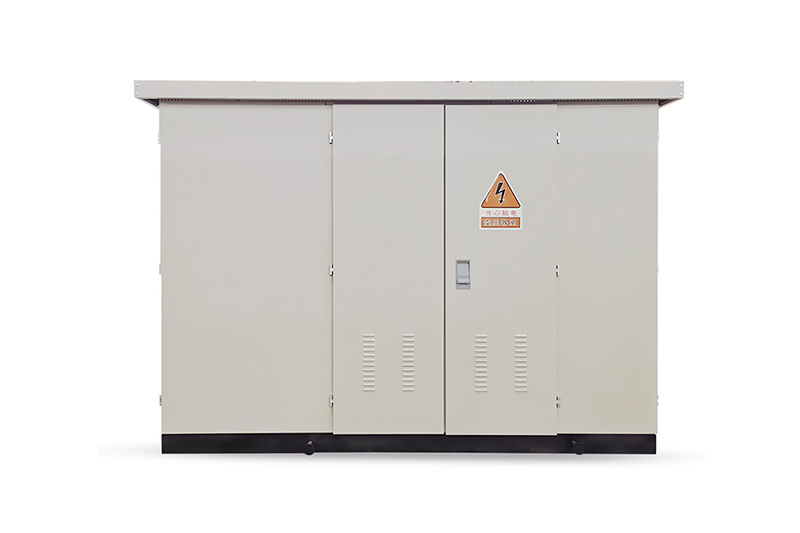
Fire safety is a top priority in high-rise building design. Dry-type transformers installed indoors should meet appropriate protection ratings to prevent accidental contact and ensure safe operation.
In environments with higher humidity or dust levels, enhanced enclosure protection is necessary. All transformer installations must strictly comply with national and local fire protection regulations, including requirements for ventilation, fire separation, and emergency access.
As high-rise buildings become more complex and power demands continue to rise, transformer selection plays an increasingly critical role in overall electrical system performance. Choosing the right transformer type, capacity, efficiency level, and cooling method lays the foundation for safe, reliable, and energy-efficient operation.
For high-rise building projects, involving professional transformer selection and customization expertise at an early stage can significantly reduce long-term risks and operating costs. A well-designed transformer system is not only an electrical asset but also a key contributor to the building’s long-term value and performance.
If you are planning or developing a high-rise building project, professional guidance on transformer selection and system design can help ensure stable operation throughout the building’s lifecycle.