1000 kVA Compact Substation: Specifications, Applications & Factory-Direct Pricing
Time:2026-08-26 Auther:ZTelec-www.ztelectransformer.com
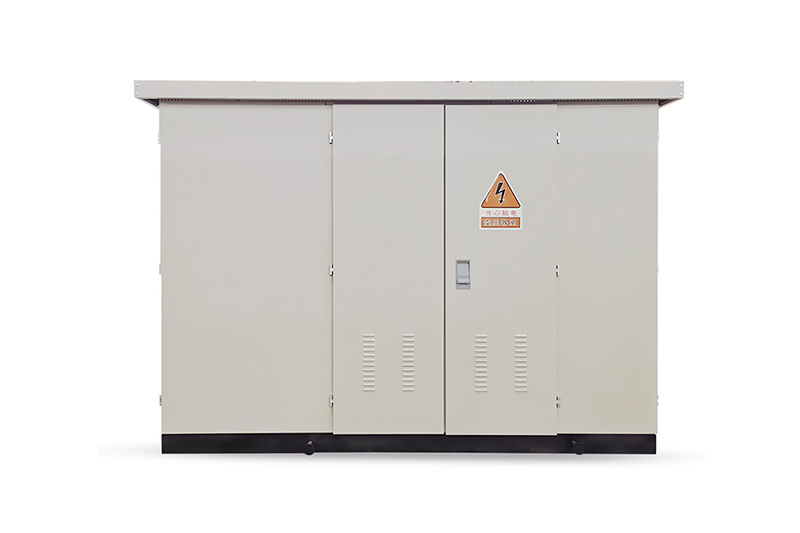
A 1000 kVA compact substation is a practical solution for medium-voltage power distribution. It combines a transformer, medium-voltage switchgear, and low-voltage switchgear in one factory-built unit.
This design saves space. It also reduces on-site installation work. As a result, many projects can complete installation and commissioning faster than with a traditional substation.
1000 kVA compact substations are used in industrial plants, commercial buildings, solar projects, EV charging stations, data centers, and infrastructure projects.
This guide explains the main specifications, applications, transformer options, switchgear configurations, pricing factors, and lead times. It also explains what buyers should check before placing an order.

What Is a 1000 kVA Compact Substation?
A 1000 kVA compact substation is a prefabricated power distribution unit. It receives medium-voltage power and converts it to low-voltage power for end users.
Common medium-voltage inputs include 11 kV, 20 kV, 22 kV, and 33 kV. Common low-voltage outputs include 400 V and 415 V.
The exact voltage depends on the local grid and project requirements.
A typical compact substation has three main sections.
Medium-Voltage Switchgear
The medium-voltage section connects the substation to the utility network. It also provides switching, isolation, and protection.
Depending on the project, manufacturers can supply an RMU, load-break switch, or vacuum circuit breaker.
1000 kVA Transformer
The transformer reduces the incoming medium voltage to the required low voltage.
Buyers can normally choose between an oil-immersed transformer and a dry-type transformer. The best option depends on the installation environment and safety requirements.
Low-Voltage Switchgear
The low-voltage section distributes power to the final loads. It can include ACBs, MCCBs, busbars, meters, protection devices, and outgoing feeders.
Because the manufacturer assembles these sections in the factory, the complete unit requires less site assembly. Factory testing can also identify problems before shipment.
1000 kVA Compact Substation Specifications
The 1000 kVA rating is only one part of the specification. Other parameters can affect performance, price, and delivery time.
| Item | Typical Specification |
|---|---|
| Rated Capacity | 1000 kVA |
| Medium-Voltage Input | 11 kV, 20 kV, 22 kV, 33 kV |
| Low-Voltage Output | 400 V, 415 V, or customized |
| Frequency | 50 Hz or 60 Hz |
| Transformer Type | Oil-immersed or dry-type |
| HV Switchgear | RMU, LBS, or VCB |
| LV Switchgear | ACB, MCCB, and outgoing feeders |
| Protection | Fuses, CTs, PTs, relays, and circuit breakers |
| Monitoring | Digital metering and optional SCADA communication |
| Enclosure | Outdoor weather-resistant enclosure |
| Standards | IEC, IEEE, GB/T, or applicable local standards |
Rated Capacity
A 1000 kVA transformer provides 1000 kVA of rated apparent power under specified conditions.
However, engineers should not size the transformer from the present load alone. They should also consider the load profile, power factor, starting current, harmonics, ambient temperature, and future expansion.
This is especially important for data centers, EV charging stations, and industrial plants. These facilities may add significant loads over time.
Primary and Secondary Voltage
Voltage selection is a critical part of the compact substation design.
For example, a project may require an 11 kV to 400 V compact substation. Another project may need 33 kV input with 400 V output.
The primary voltage must match the local medium-voltage network. The secondary voltage must match the site’s electrical distribution system.
Therefore, buyers should confirm both voltages before production starts.
Transformer Type
The choice between an oil-immersed and dry-type transformer depends on the application.
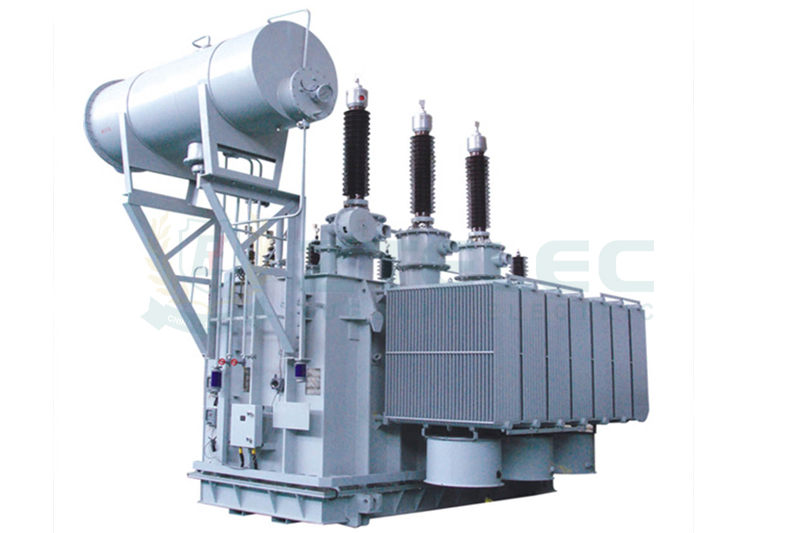
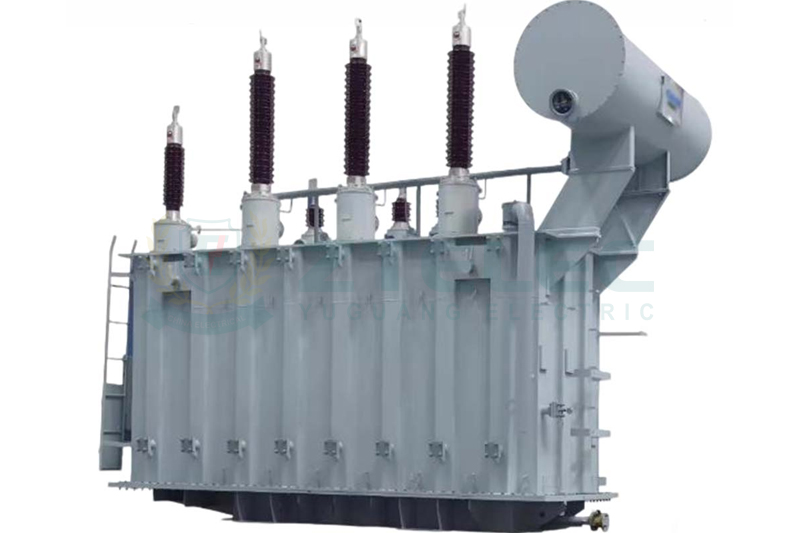
Oil-immersed transformers are common in outdoor distribution systems. They offer competitive pricing and good thermal performance. However, the project must consider oil containment and fire-safety requirements.
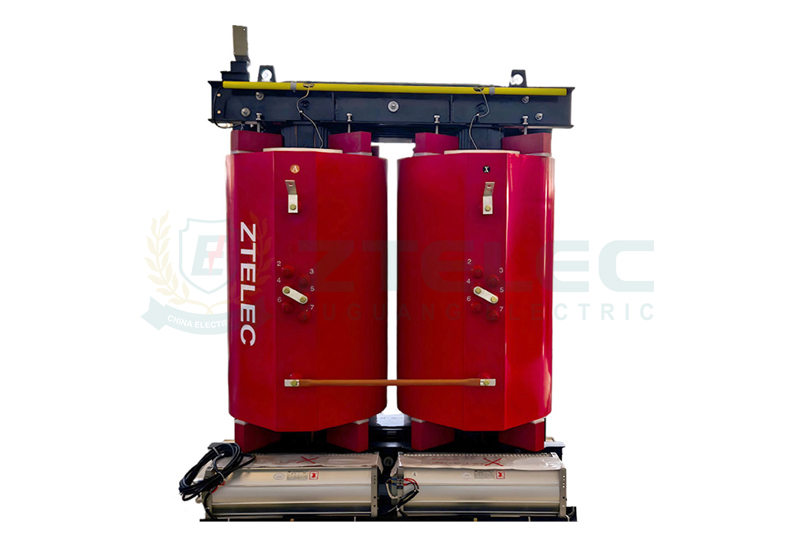
Dry-type transformers use solid insulation instead of liquid insulation. They are often preferred in buildings and other locations where fire safety is important.
For example, dry-type transformers can be suitable for hospitals, commercial buildings, data centers, underground facilities, and industrial sites.
Switchgear Configuration
The switchgear must match the network design.
An RMU works well for ring distribution networks. An LBS provides switching and isolation for many standard applications.
A VCB offers more advanced circuit protection. It is often selected for systems that require higher protection and control performance.
Buyers should check the rated voltage, rated current, short-circuit rating, insulation level, protection relay, and operating mechanism.
Vector Group and Frequency
Common transformer vector groups include Dyn11. However, the correct vector group depends on the local power system.
Frequency is usually 50 Hz or 60 Hz.
Non-standard voltage ratios or vector groups may require additional engineering. Therefore, they can increase both price and lead time.
Protection and Monitoring
Modern compact substations can include advanced monitoring functions.
For example, the system can include CTs, PTs, protection relays, digital meters, temperature sensors, and SCADA communication.
These functions are useful for industrial plants, renewable energy projects, smart grids, and utility applications.
It is better to define these requirements during the design stage. Adding them after production starts can increase cost and delay delivery.
Applications of 1000 kVA Compact Substations
A 1000 kVA compact substation offers a useful balance between capacity and footprint.
Therefore, it is suitable for many commercial, industrial, and infrastructure projects.
Commercial Buildings and Urban Developments
Compact substations can supply power to shopping centers, office buildings, residential developments, and mixed-use projects.
They are especially useful where land is limited.
Because the equipment is integrated into one enclosure, the project may not need a large dedicated substation building.
Industrial Plants
Manufacturing facilities need stable power for production equipment, motors, lighting, HVAC systems, and automation systems.
A 1000 kVA compact substation can provide a centralized power distribution solution for many small and medium-sized industrial facilities.
It can also simplify installation because the main equipment arrives as a factory-assembled package.
Data Centers
Data centers require reliable electrical infrastructure. They also have strict commissioning schedules.
A factory-tested compact substation can help reduce site installation work. It can also simplify equipment coordination.
For critical data centers, however, engineers should consider redundancy. The complete electrical system may require multiple transformers, UPS systems, generators, and automatic transfer equipment.
Solar Power Projects
Compact substations are widely used in solar PV projects.
Depending on the system design, the transformer can connect the inverter output to the medium-voltage collection network.
Engineers should consider inverter harmonics, transformer impedance, cooling, protection coordination, and environmental conditions.
Battery Energy Storage Systems
Battery energy storage projects also use compact transformer substations.
The substation can connect power conversion equipment to the medium-voltage grid.
Because battery sites may operate outdoors, enclosure design and environmental protection are important.
EV Charging Stations
Fast EV chargers can create high electrical demand.
A 1000 kVA compact substation for EV charging can provide a dedicated connection between the medium-voltage grid and charging equipment.
The actual transformer size depends on the number of chargers, charger power, load diversity, and planned expansion.
Mining and Remote Projects
Compact substations are also suitable for mining sites and remote infrastructure.
The prefabricated design can reduce construction work at locations with limited local infrastructure.
It can also make relocation easier for temporary power projects.
1000 kVA Compact Substation Price in 2026
The 1000 kVA compact substation price depends on the equipment configuration.
A basic factory-direct package may cost approximately US$18,000 to US$45,000 or more. This is only a general market reference.
The final price can vary significantly between manufacturers and regions.
An oil-immersed transformer with basic RMU equipment will usually cost less than a package with a dry-type transformer, VCB protection, advanced metering, and SCADA communication.
For this reason, buyers should compare complete technical specifications instead of comparing price alone.

What Does the Factory Price Include?
First, check what the quotation includes.
A factory quotation may include the transformer, HV switchgear, LV switchgear, enclosure, internal wiring, protection devices, and factory testing.
However, the quotation may exclude freight, customs duties, civil works, installation, cable connection, commissioning, and grid connection fees.
Therefore, buyers should ask the supplier to state the commercial terms clearly.
For international orders, the quotation should also specify the Incoterm. Common options include EXW, FOB, CIF, and DDP.
Main Factors That Affect Price
Transformer Type
Dry-type transformers usually cost more than oil-immersed transformers with the same rated capacity.
However, dry-type technology may offer advantages in applications with strict fire-safety requirements.
Switchgear Type
Basic LBS or RMU configurations can reduce equipment cost.
VCB systems usually cost more because they provide more advanced protection and control.
Protection and Monitoring
Additional CTs, PTs, protection relays, digital meters, temperature monitoring, and communication modules will increase the final price.
However, these functions can improve system monitoring and operational control.
Enclosure Design
Outdoor projects may require stronger weather protection.
Corrosion-resistant materials, higher IP ratings, special ventilation, anti-condensation systems, and customized dimensions can increase the price.
Certification and Testing
Some projects require additional testing or specific regional certification.
These requirements can increase engineering work, testing time, and production costs.
Shipping and Country of Origin
International buyers should compare landed cost instead of factory price alone.
Freight, insurance, customs duties, taxes, local transportation, and certification can all affect the final project cost.
1000 kVA Compact Substation Lead Time
Lead time depends on the design and factory workload.
A standard configuration may be completed in approximately 3 to 6 weeks by a manufacturer with available production capacity.
Custom configurations usually take longer.
For example, special voltage ratios, custom protection systems, unusual enclosure designs, and additional testing may extend production to 6 to 12 weeks or longer.
International buyers should also allow time for shipping and customs clearance.
Therefore, the factory production period is not the same as the total delivery time.
How to Choose a 1000 kVA Compact Substation Manufacturer
Choosing the right manufacturer is just as important as choosing the right specification.
First, check the manufacturer’s production capacity.
Next, review its transformer range and switchgear capabilities.
Then, confirm the applicable standards and testing procedures.
Experienced manufacturers should provide technical drawings, product specifications, test reports, and clear delivery schedules.
For export projects, international experience is also important. The supplier should understand export packaging, shipping documents, customs requirements, and destination-market standards.
1000 kVA Compact Substation Buying Guide
Check the voltage first. Confirm the exact medium-voltage input and low-voltage output.
Select the transformer type. Decide between oil-immersed and dry-type technology based on the installation environment.
Choose the switchgear. Confirm whether the project needs an RMU, LBS, or VCB.
Confirm protection. Check the required circuit breakers, CTs, PTs, relays, meters, and communication functions.
Check the enclosure. Confirm the IP rating, dimensions, ventilation, corrosion protection, and cable entry.
Review testing requirements. Confirm routine tests, factory acceptance tests, and test reports.
Check the standards. Confirm IEC, IEEE, GB/T, UL, CSA, utility, or other applicable requirements.
Confirm the commercial scope. Check the Incoterm, shipping cost, warranty, spare parts, installation support, and commissioning service.
Why Buy a Factory-Direct 1000 kVA Compact Substation?
Factory-direct purchasing can simplify communication between the buyer and manufacturer.
It can also provide more flexibility in product configuration.
For example, the manufacturer can customize the transformer voltage, switchgear type, protection system, enclosure, metering, and communication functions according to the project requirements.
Direct purchasing can also make technical clarification faster. The buyer can communicate with the engineering team before production starts.
In addition, factory testing can reduce the risk of discovering equipment problems after delivery.
For EPC contractors and distributors, direct cooperation can also simplify warranty service and spare parts procurement.
A 1000 kVA compact substation provides a space-saving and efficient solution for medium-voltage power distribution.
It combines the transformer, MV switchgear, and LV switchgear in one factory-assembled system.
As a result, it can reduce site construction work and simplify installation.
The right configuration depends on the project.
Buyers should carefully check the voltage, transformer type, switchgear, protection, enclosure, standards, testing, lead time, and total landed cost.
Price is important. However, it should not be the only selection factor.
A reliable manufacturer should provide clear technical drawings, complete specifications, factory test reports, and a realistic delivery schedule.
With the right design and supplier, a 1000 kVA compact substation can provide reliable power distribution for industrial plants, commercial buildings, solar farms, battery energy storage systems, EV charging stations, data centers, and infrastructure projects.