1250 kVA Epoxy Resin Dry-Type Transformer: Energy-Efficient Power Distribution Solution
Time:2026-08-24 Auther:ZTelec-www.ztelectransformer.com
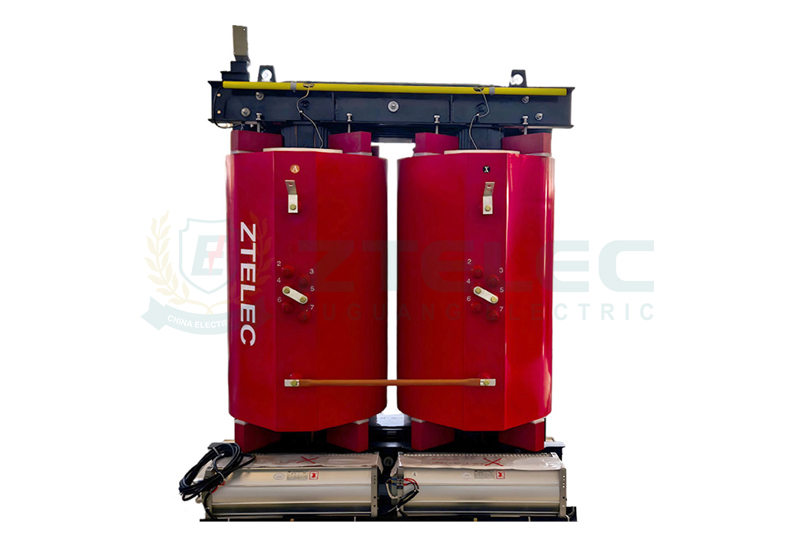
As electrical infrastructure continues to evolve, energy efficiency, operational reliability, safety and environmental performance have become increasingly important in power distribution projects. The 1250 kVA epoxy resin dry-type transformer is designed to meet these requirements by combining cast resin insulation, efficient magnetic core technology and flexible cooling configurations.
Unlike oil-immersed transformers, epoxy resin dry-type transformers do not use liquid insulation or cooling oil. Their windings are encapsulated or insulated with epoxy resin, while heat is dissipated through natural or forced air cooling. This oil-free construction makes them particularly suitable for indoor substations, commercial buildings, industrial facilities, data centers, hospitals and renewable energy projects.
This guide explains the construction, advantages, applications, selection criteria and maintenance requirements of 1250 kVA epoxy resin dry-type transformers, helping electrical engineers, EPC contractors and facility managers select an appropriate transformer for their power distribution systems.

What Is a 1250 kVA Epoxy Resin Dry-Type Transformer?
A 1250 kVA epoxy resin dry-type transformer is a three-phase electrical transformer with a rated apparent power of 1250 kVA. It is used to transfer electrical energy between different voltage levels without using liquid insulation.
The transformer typically uses a high-quality laminated magnetic core, copper or aluminum windings and an epoxy resin insulation system. Depending on the project requirements, the transformer can be configured for different primary and secondary voltages, impedance levels, tap arrangements, cooling methods and enclosure protection ratings.
Typical applications include industrial plants, commercial buildings, hospitals, data centers, renewable energy facilities, transportation infrastructure and utility substations.
Construction of a 1250 kVA Epoxy Resin Dry-Type Transformer
Magnetic Core
The transformer core is normally manufactured from high-grade grain-oriented electrical steel laminations. Proper core design and manufacturing help reduce hysteresis and eddy current losses, contributing to lower no-load losses and improved energy efficiency.
Transformer Windings
The windings can be manufactured using copper or aluminum conductors, depending on the electrical design and project requirements. The winding configuration is engineered to provide the required voltage ratio, current capacity, insulation level and short-circuit withstand capability.
Epoxy Resin Insulation
Epoxy resin provides electrical insulation and mechanical protection for the windings. A properly designed cast resin insulation system offers good resistance to moisture, dust and environmental contamination and provides strong mechanical support during short-circuit conditions.
Cooling System
Most 1250 kVA dry-type transformers use AN cooling, or Air Natural cooling, as the standard configuration. AF, or Air Forced cooling, can be added when higher thermal capacity or temporary overload capability is required.
Enclosure
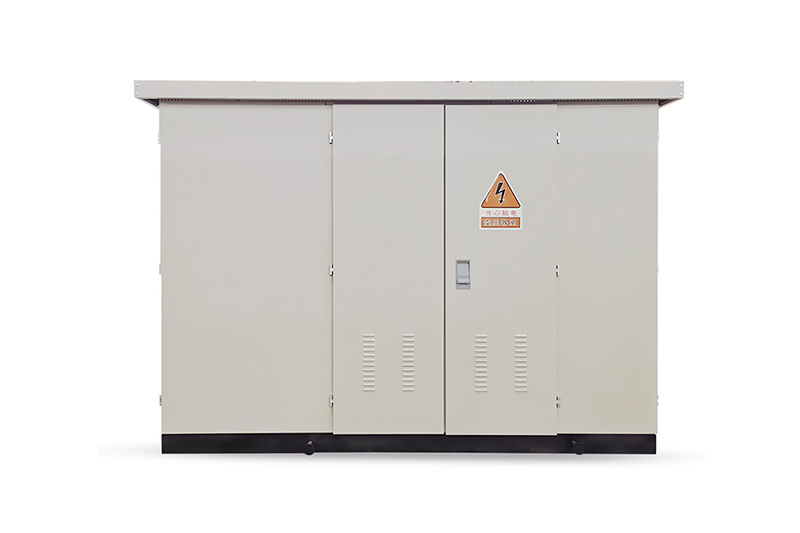
Depending on the installation environment, the transformer can be supplied as an open ventilated unit or with a protective metal enclosure. Enclosure selection should consider indoor or outdoor installation, ventilation, dust, moisture, corrosion and the required IP protection rating.
Temperature Monitoring and Protection
Temperature sensors, intelligent temperature controllers, cooling fans and alarm or trip functions can be integrated to monitor winding temperature and protect the transformer from excessive thermal stress.
Key Advantages of 1250 kVA Epoxy Resin Dry-Type Transformers
1. Oil-Free and Fire-Safe Design
One of the most important advantages of a dry-type transformer is the absence of mineral oil. This eliminates the risk of oil leakage and significantly reduces the fire-related risks associated with oil-filled transformer installations.
This makes epoxy resin transformers an attractive option for indoor substations, hospitals, shopping centers, data centers, high-rise buildings and other locations where fire safety is a major consideration.
2. High Energy Efficiency
A properly engineered 1250 kVA transformer can achieve low no-load and load losses through optimized core and winding design. Lower transformer losses reduce wasted electrical energy and can contribute to lower operating costs over the equipment lifecycle.
Actual efficiency and loss performance depend on the transformer design, loading conditions, applicable efficiency requirements and manufacturing quality. Buyers should compare the guaranteed no-load loss, load loss and total loss rather than relying only on a general efficiency percentage.
3. Excellent Moisture and Environmental Resistance
The cast resin insulation system helps protect the windings against moisture and environmental contamination. This is particularly beneficial for applications where the transformer may be exposed to humidity, dust or industrial pollution.
4. Low Maintenance
Because a dry-type transformer does not contain insulating oil, it does not require oil sampling, filtration or oil replacement. Routine maintenance primarily focuses on cleanliness, ventilation, electrical connections, temperature monitoring, insulation condition and cooling equipment.
5. Reduced Environmental Risk
The oil-free construction eliminates the possibility of mineral oil leakage into soil or drainage systems. This can simplify environmental management for indoor and environmentally sensitive installations.
6. Flexible Installation
1250 kVA cast resin transformers can be configured for a wide range of applications. Voltage ratios, impedance, tapping arrangements, cooling systems, enclosure types and protection configurations can be customized according to project specifications.
7. Long Service Life
With appropriate design, installation and maintenance, a cast resin dry-type transformer can provide reliable operation for several decades. Actual service life depends on insulation temperature, loading, environmental conditions, installation quality and maintenance practices.
8. Low Noise Options
Optimized core design, mechanical construction and vibration control can reduce transformer noise. Low-noise configurations are especially useful in hospitals, commercial buildings, residential developments and other noise-sensitive facilities.
Applications of 1250 kVA Dry-Type Transformers
Industrial Plants
Manufacturing facilities require stable and reliable power for motors, production lines, automation equipment and auxiliary systems. A 1250 kVA dry-type transformer can provide medium-voltage to low-voltage power distribution for a wide range of industrial loads.
Commercial Buildings
Shopping centers, office buildings and large commercial facilities can use cast resin transformers for building distribution systems. Their oil-free construction is particularly attractive for indoor electrical rooms where fire safety and space utilization are important.
Data Centers
Data centers require highly reliable electrical infrastructure to support servers, cooling systems, UPS equipment and other critical loads. Dry-type transformers can be integrated into data center medium-voltage and low-voltage distribution systems where oil-free equipment is preferred.
Hospitals and Healthcare Facilities
Hospitals require reliable electrical power for medical equipment, lighting, HVAC and emergency systems. The fire-safe characteristics and indoor installation flexibility of cast resin transformers make them suitable for many healthcare applications.
Solar and Wind Power Projects
1250 kVA dry-type transformers can be used in renewable energy systems to transform voltage between inverters, collection systems and distribution networks. Special designs may be required to accommodate harmonics, load profiles and inverter-based power systems.
Railway and Metro Infrastructure
Railway stations, metro systems and transportation facilities often have limited electrical room space. Compact dry-type transformers can support station services, signaling systems, lighting and other auxiliary electrical loads.
Water Treatment and Public Infrastructure
Water treatment plants and municipal infrastructure require reliable power for pumps, motors, control systems and auxiliary equipment. Dry-type transformers can provide a low-maintenance solution for these facilities.
1250 kVA Epoxy Resin Dry-Type Transformer vs. Oil-Immersed Transformer
| Feature | 1250 kVA Epoxy Resin Dry-Type Transformer | Oil-Immersed Transformer |
|---|---|---|
| Insulation | Epoxy resin and solid insulation system | Transformer oil and solid insulation |
| Cooling | Natural or forced air | Oil-based cooling with natural or forced circulation depending on design |
| Oil Leakage | No insulating oil | Potential oil leakage must be managed |
| Fire Risk | Lower fire risk | Requires additional fire protection measures depending on installation |
| Maintenance | No oil testing or oil replacement | Oil testing and maintenance may be required |
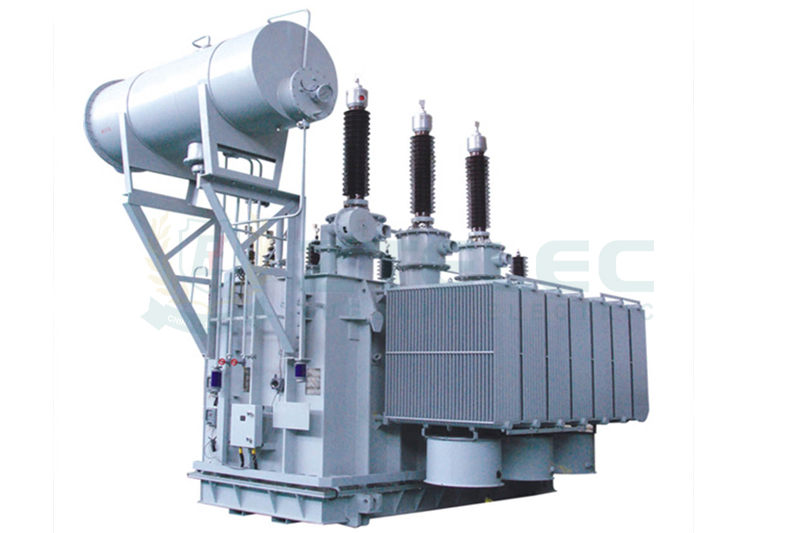
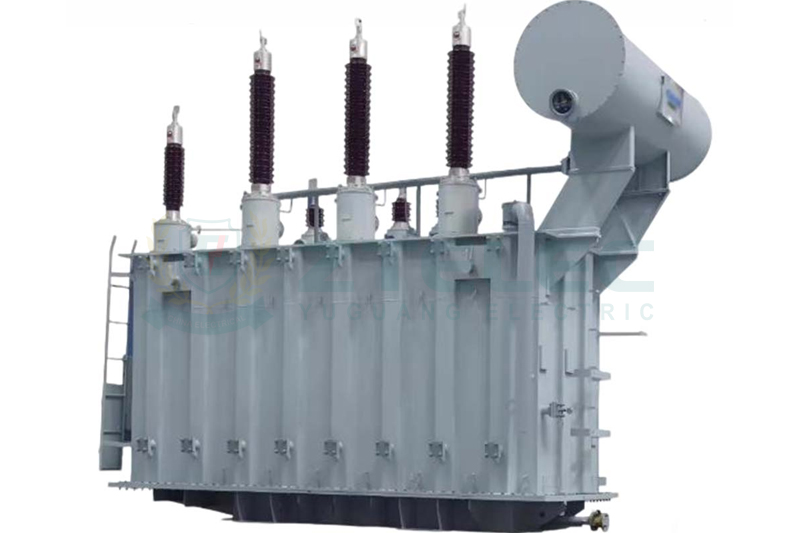
| Indoor Installation | Highly suitable with appropriate ventilation and enclosure | Possible but requires suitable fire and environmental protection |
| Environmental Risk | No mineral oil leakage | Oil spill prevention and containment may be required |
| Noise | Low-noise configurations available | Depends on transformer design and cooling system |
| Initial Cost | Generally higher | Often lower for comparable ratings |
| Typical Applications | Indoor substations, commercial buildings, hospitals, data centers and renewable energy | Outdoor substations, utility distribution and applications where liquid cooling is preferred |
The choice between dry-type and oil-immersed transformers should be based on the complete project requirements. Installation location, fire safety, environmental conditions, efficiency, available space, maintenance strategy and total lifecycle cost should all be considered.

How to Choose a 1250 kVA Epoxy Resin Dry-Type Transformer
Rated Voltage and Voltage Ratio
Confirm the required primary and secondary voltages before ordering. Common configurations may include 10kV/0.4kV, 11kV/0.415kV and 20kV/0.4kV, while other voltage combinations can be manufactured according to project requirements.
Rated Frequency
Verify whether the transformer is designed for 50 Hz or 60 Hz operation and ensure compatibility with the local power system.
Connection Group
The transformer vector group should match the requirements of the electrical network. Common configurations include Dyn11, although the appropriate connection group depends on system grounding, phase displacement and parallel operation requirements.
Impedance and Short-Circuit Performance
Transformer impedance affects fault current and voltage regulation. The specified impedance should be selected according to the system short-circuit level and coordination requirements.
Cooling Method
AN cooling is suitable for standard operating conditions, while AF cooling can provide additional thermal capacity when required. The cooling configuration should be selected according to load profile, ambient temperature and installation conditions.
Enclosure and IP Rating
For indoor electrical rooms, a ventilated enclosure may be appropriate. Industrial or outdoor environments may require higher protection levels. The enclosure should provide sufficient mechanical protection while maintaining adequate airflow for transformer cooling.
Energy Losses
When comparing suppliers, review the guaranteed no-load loss and load loss. Transformer losses continue throughout the equipment lifecycle, so even a small reduction in losses can provide meaningful energy savings over many years of operation.
Ambient Temperature and Altitude
High ambient temperatures and high-altitude installations can affect transformer cooling and insulation performance. Confirm the manufacturer’s derating requirements when the installation site is outside standard environmental conditions.
Noise Requirements
For hospitals, residential buildings, offices and other noise-sensitive environments, specify the required sound level during the design stage and request guaranteed noise performance from the manufacturer.
Standards for 1250 kVA Dry-Type Transformers
Transformer specifications should be selected according to the standards and regulations applicable to the project location. IEC 60076-11 is an important international standard covering dry-type power transformers.
Depending on the target market, additional requirements may apply, including local electrical codes, energy-efficiency regulations, seismic requirements, enclosure standards and fire-safety requirements.
For export projects, buyers should clearly specify the required standard, testing requirements, voltage class, insulation level, efficiency requirements and documentation before manufacturing begins.
Installation and Maintenance of a 1250 kVA Dry-Type Transformer
Installation
The installation area should be clean, dry and adequately ventilated. Sufficient clearance should be provided around the transformer for cooling airflow, inspection and maintenance.
The transformer foundation must be strong and level. Electrical connections should be correctly sized and securely tightened, while the transformer enclosure and metallic components must be properly grounded.
Before energization, qualified personnel should perform the required electrical and mechanical checks, including insulation resistance, winding resistance, turns ratio, grounding and protection system verification according to the applicable test plan.
Routine Maintenance
Routine maintenance should include inspection for dust accumulation, overheating, abnormal noise, loose connections and damage to insulation or enclosure components.
Cooling fans and ventilation passages should be inspected regularly to prevent restricted airflow. Temperature monitoring systems should also be checked to ensure alarms and protection functions operate correctly.
Preventive Maintenance
Periodic cleaning is important in dusty environments. Electrical connections should be inspected and tightened according to the manufacturer’s maintenance requirements. Insulation resistance and other condition-monitoring tests can help identify deterioration at an early stage.
Condition Monitoring
Advanced transformer monitoring can include temperature sensors, thermal imaging, partial discharge monitoring and digital data collection. These technologies can support condition-based maintenance and reduce the risk of unexpected downtime.
Future Trends in Dry-Type Transformer Technology
Higher Energy Efficiency
Manufacturers continue to improve transformer core materials, winding design and manufacturing processes to reduce no-load and load losses. High-efficiency transformer designs can help reduce energy consumption over long operating periods.
Smart Transformer Monitoring
IoT sensors and digital monitoring systems are increasingly being integrated into transformer equipment. Real-time temperature, load and condition data can support predictive maintenance and improve asset management.
Advanced Insulation Materials
Research into improved resin systems, composite insulation materials and thermal management technologies may further improve the electrical, mechanical and thermal performance of dry-type transformers.
Compact Transformer Designs
As urban substations, data centers and renewable energy facilities face increasing space constraints, manufacturers are developing more compact transformers without compromising required electrical and thermal performance.
Why Choose a 1250 kVA Epoxy Resin Transformer?
A 1250 kVA epoxy resin dry-type transformer provides a practical balance of capacity, safety, energy efficiency and installation flexibility. Its oil-free design is particularly valuable for projects where fire protection, environmental performance and indoor installation are important.
For industrial plants, commercial buildings, data centers, hospitals and renewable energy facilities, the transformer can be customized according to voltage ratio, frequency, vector group, impedance, cooling method, enclosure protection and environmental conditions.
The 1250 kVA epoxy resin dry-type transformer is a reliable solution for modern electrical distribution systems that require high safety, efficient operation and low maintenance. Compared with conventional oil-immersed transformers, its oil-free construction provides important advantages for indoor and environmentally sensitive applications.
By combining optimized magnetic core technology, reliable winding insulation, effective thermal management and optional intelligent monitoring, a 1250 kVA cast resin transformer can support demanding applications across industrial, commercial, infrastructure and renewable energy projects.
When selecting a transformer, buyers should evaluate rated voltage, losses, impedance, insulation level, cooling method, enclosure rating, environmental conditions, applicable standards and total lifecycle cost. Choosing the correct configuration from an experienced manufacturer can help ensure reliable performance and long-term energy savings.
FAQs About 1250 kVA Epoxy Resin Dry-Type Transformers
What is a 1250 kVA epoxy resin dry-type transformer?
It is a three-phase transformer rated at 1250 kVA that uses epoxy resin as part of its solid insulation system and air for cooling. It is commonly used for medium-voltage power distribution in industrial, commercial and infrastructure projects.
Is a 1250 kVA dry-type transformer suitable for indoor installation?
Yes. Dry-type transformers are particularly suitable for indoor substations, electrical rooms, commercial buildings, hospitals and data centers when the installation provides adequate ventilation, clearance and environmental protection.
What voltage ratios are available for a 1250 kVA transformer?
Voltage ratios are customizable according to the electrical network. Typical configurations can include 10kV/0.4kV, 11kV/0.415kV and other medium-voltage to low-voltage combinations.
Does a 1250 kVA dry-type transformer require oil?
No. An epoxy resin dry-type transformer does not use mineral oil for insulation or cooling. It normally uses natural air or forced air to dissipate operating heat.
What is the typical service life of a 1250 kVA dry-type transformer?
A properly designed, installed and maintained dry-type transformer can operate for several decades. Actual service life depends on loading, winding temperature, environmental conditions, insulation quality and maintenance.
How can transformer energy losses be reduced?
Choose a transformer with optimized core and winding design, low guaranteed no-load and load losses, appropriate loading and effective cooling. Comparing guaranteed loss values from different manufacturers is more useful than evaluating efficiency based only on a general percentage.
What standards apply to dry-type transformers?
IEC 60076-11 is a key international standard for dry-type power transformers. Additional national standards, energy-efficiency requirements and project-specific specifications may also apply depending on the installation location.