1000 kVA Oil Immersed Transformer: Price, Specifications & Complete Buying Guide (2026)
Time:2026-06-9 Auther:ZTelec-www.ztelectransformer.com
A 1000 kVA oil immersed transformer is one of the most commonly used distribution transformers in industrial, commercial, and utility power systems. It offers an excellent balance between power capacity, investment cost, operating efficiency, and long-term reliability.
In 2026, 1000 kVA transformers remain a popular choice for factories, commercial buildings, solar power plants, industrial parks, and utility distribution networks. Their versatility makes them suitable for both domestic and international projects.
This guide covers technical specifications, price ranges, efficiency classes, cooling methods, applications, and procurement recommendations to help buyers make informed decisions.

1000 kVA Transformer Quick Facts
| Item | Typical Value |
|---|---|
| Rated Capacity | 1000 kVA |
| Primary Voltage | 6kV, 10kV, 11kV, 15kV, 20kV, 33kV |
| Secondary Voltage | 400V, 415V, 690V |
| Cooling Method | ONAN / ONAF |
| Vector Group | Dyn11, Yyn0, Yzn11 |
| Frequency | 50Hz / 60Hz |
| Service Life | 25-35 Years |
| Main Applications | Industrial, Commercial, Utility, Solar |
What Is a 1000 kVA Oil Immersed Transformer?
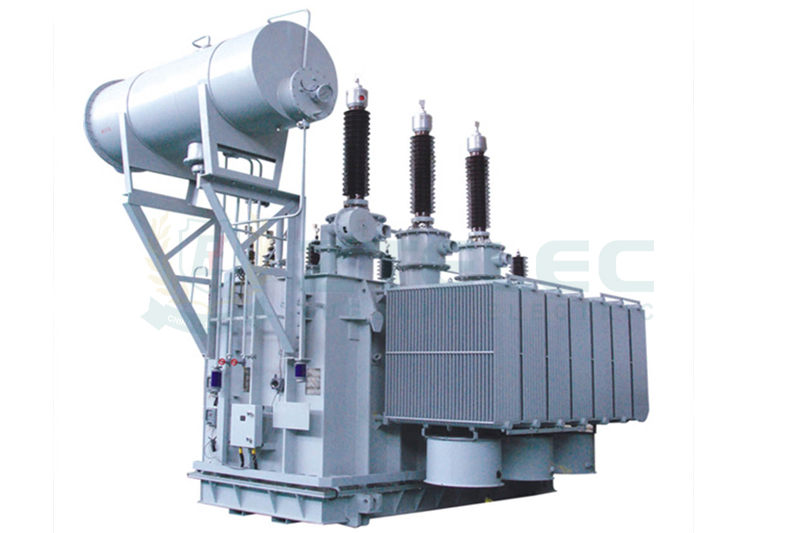
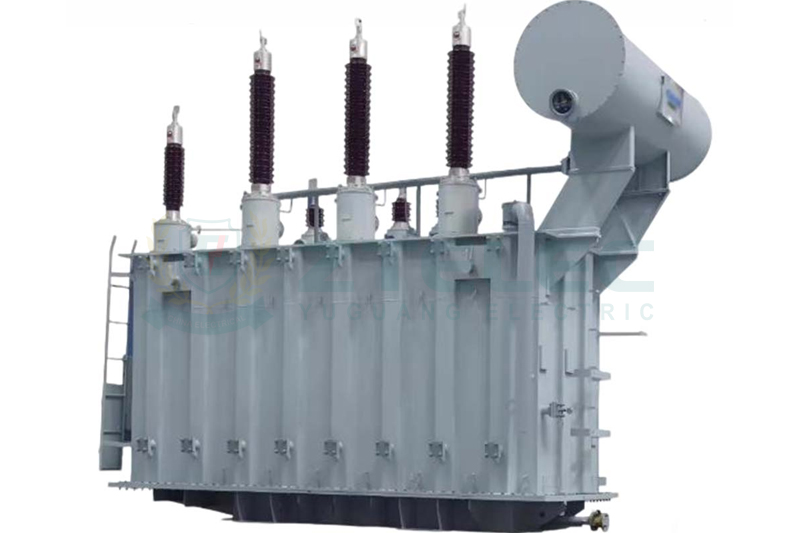
A 1000 kVA oil immersed transformer is a medium-capacity power distribution transformer that uses insulating oil as both a cooling and dielectric medium. The transformer transfers electrical energy between medium-voltage and low-voltage networks while maintaining electrical isolation and voltage regulation.
Compared with dry-type transformers, oil-filled transformers generally provide better cooling performance, stronger overload capability, and lower initial investment costs. For outdoor installations and industrial applications, they are often the most economical solution.
1000 kVA Oil Immersed Transformer Specifications
Most manufacturers design 1000 kVA transformers according to IEC 60076, IEEE C57, or GB/T 6451 standards. Typical specifications are shown below.
| Parameter | Typical Value |
|---|---|
| Rated Capacity | 1000 kVA |
| HV Voltage | 6kV-33kV |
| LV Voltage | 400V / 415V / 690V |
| Impedance Voltage | 4.5%-6% |
| No-Load Loss (S13) | ≤1300 W |
| Load Loss (S13) | ≤10500 W |
| Noise Level | ≤55 dB(A) |
| Total Weight | 2200-2800 kg |
For export projects, buyers should verify voltage ratings, frequency, vector groups, and utility requirements before manufacturing begins.
How Much Does a 1000 kVA Transformer Cost in 2026?
The price of a 1000 kVA oil immersed transformer depends on efficiency class, winding material, certification requirements, accessories, and destination market.
In most international markets, the average price ranges from USD 7,000 to USD 18,000.
| Configuration | Reference Price (USD) |
|---|---|
| S11 Aluminum Winding | 5,000-7,000 |
| S13 Copper Winding | 7,000-12,000 |
| S15 Amorphous Alloy | 12,000-18,000 |
| IEC Export Version | 7,500-18,000+ |
Actual quotations vary according to copper prices, silicon steel costs, order quantities, testing requirements, and shipping destinations.
Factors That Affect Transformer Pricing
Winding Material
Copper winding transformers typically cost 15%-25% more than aluminum winding units. However, copper offers lower losses, higher mechanical strength, and longer service life.
Core Material
Amorphous alloy cores significantly reduce no-load losses compared with conventional silicon steel cores. Although the initial cost is higher, long-term electricity savings can be substantial.
Certification Requirements
Projects requiring third-party type tests, IEC reports, KEMA certification, or utility approvals generally involve additional engineering and testing costs.
Accessories
Temperature indicators, Buchholz relays, online monitoring systems, cooling fans, and remote communication modules can all influence the final transformer price.
S13 vs S15: Which Transformer Is Better?
Energy efficiency has become an important consideration for industrial and utility projects. The choice between S13 and S15 transformers should be based on lifecycle cost rather than purchase price alone.
| Efficiency Class | No-Load Loss | Recommendation |
|---|---|---|
| S13 | Approx. 1300 W | Best Value for Most Projects |
| S15 | Approx. 320 W | Best Long-Term Energy Savings |
For facilities operating continuously, S15 transformers can reduce no-load losses by more than 75%. The additional investment is often recovered within 5 to 7 years through lower electricity consumption.
ONAN vs ONAF Cooling Methods
Cooling systems directly affect transformer performance and service life.
| Cooling Method | Description | Application |
|---|---|---|
| ONAN | Oil Natural Air Natural | Standard Installations |
| ONAF | Oil Natural Air Forced | High Load Applications |
For most industrial installations, ONAN cooling is sufficient. Projects operating above 80% loading or in poorly ventilated environments may benefit from ONAF cooling.

Typical Applications of 1000 kVA Oil-Filled Transformers
Manufacturing Plants
1000 kVA transformers are widely used in machinery manufacturing, food processing, textile production, metal fabrication, and packaging facilities.
Commercial Buildings
Shopping malls, office towers, hospitals, hotels, and educational campuses commonly rely on 1000 kVA transformers to support daily operations.
Solar Power Projects
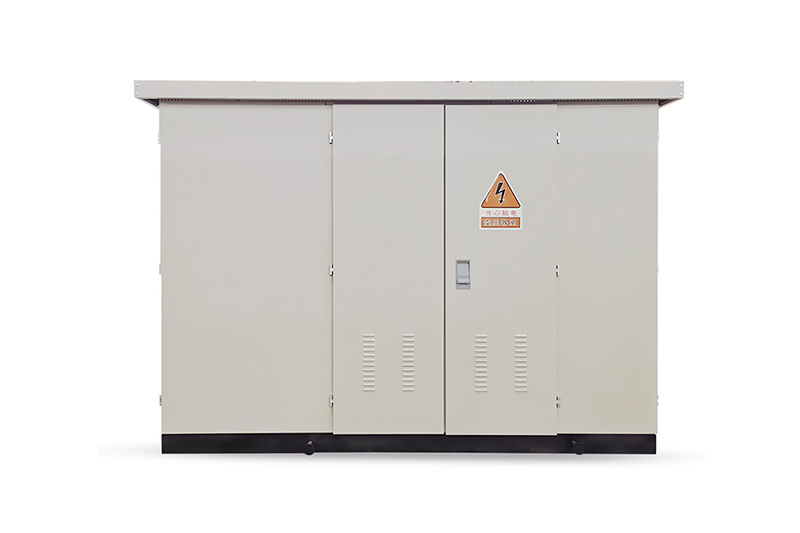
Solar photovoltaic plants frequently use 1000 kVA transformers within compact substations to connect inverter systems to medium-voltage grids.
Industrial Parks
Developers often install multiple 1000 kVA transformers to support phased expansion and future electricity demand growth.
Utility Distribution Networks
The 1000 kVA rating is ideal for rural electrification projects and urban distribution upgrades because it balances capacity and cost.
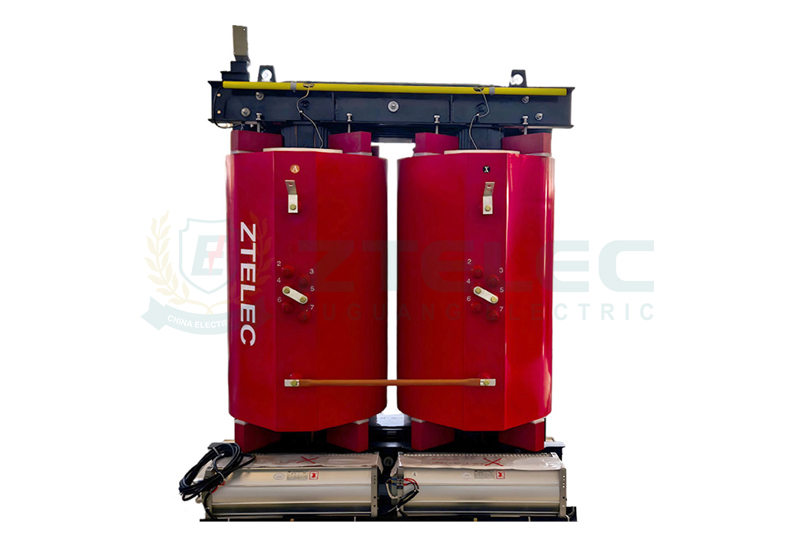
1000 kVA Oil Transformer vs Dry-Type Transformer
| Feature | Oil Immersed Transformer | Dry-Type Transformer |
|---|---|---|
| Purchase Cost | Lower | Higher |
| Cooling Performance | Excellent | Good |
| Outdoor Installation | Ideal | Requires Protection |
| Maintenance | Oil Inspection Required | Minimal |
| Fire Safety | Moderate | Excellent |
Oil immersed transformers are generally preferred for outdoor and industrial installations, while dry-type transformers are commonly selected for hospitals, airports, data centers, and other indoor environments where fire safety is critical.
Buying Checklist for International Projects
Before placing an order, buyers should confirm the rated voltage, frequency, vector group, cooling method, efficiency level, and applicable standards.
It is also recommended to request factory routine test reports, type test reports, and detailed technical drawings before shipment.
For export projects, ensure compliance with IEC 60076, local utility requirements, and country-specific certifications where applicable.
Frequently Asked Questions
How much load can a 1000 kVA transformer support?
At a power factor of 0.9, a 1000 kVA transformer can support approximately 900 kW of active power. Most engineers recommend operating between 70% and 85% loading for maximum reliability.
How long does a 1000 kVA transformer last?
With proper maintenance and operating conditions, a high-quality oil immersed transformer can provide 25 to 35 years of service.
Should I choose copper or aluminum winding?
Copper winding transformers offer better efficiency and durability, while aluminum winding transformers provide a lower initial purchase cost.
The 1000 kVA oil immersed transformer remains one of the most cost-effective solutions for industrial, commercial, renewable energy, and utility power distribution systems. Its combination of reliability, flexibility, and competitive pricing makes it one of the most widely specified transformer ratings worldwide.
When selecting a transformer, focus not only on purchase price but also on efficiency level, lifecycle cost, cooling method, and certification requirements. A properly specified transformer can provide decades of reliable service while minimizing operating expenses.