2000 kVA Oil Immersed Transformer Price, Specifications and Global Buying Guide 2026
Time:2026-06-11 Auther:ZTelec-www.ztelectransformer.com
Updated for 2026, this guide explains everything buyers need to know about 2000 kVA oil immersed transformers, including specifications, efficiency standards, global pricing, installation requirements, maintenance schedules, and export procurement considerations.

What Is a 2000 kVA Oil Immersed Transformer?
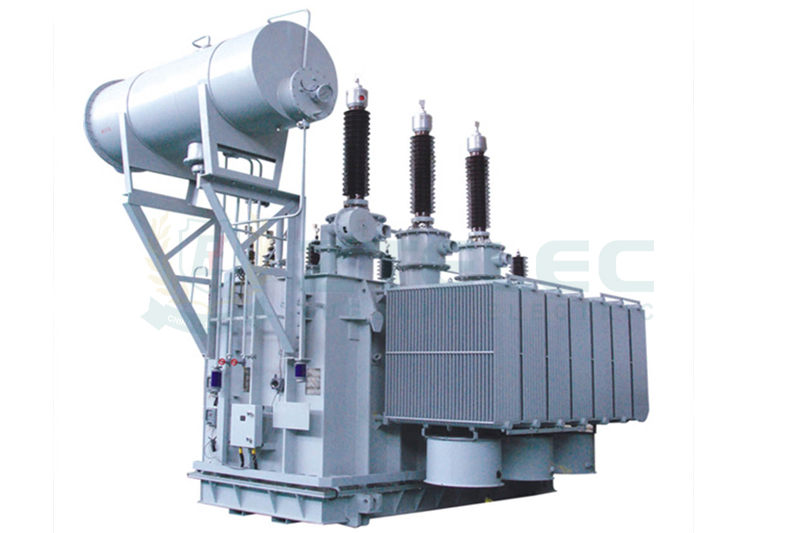
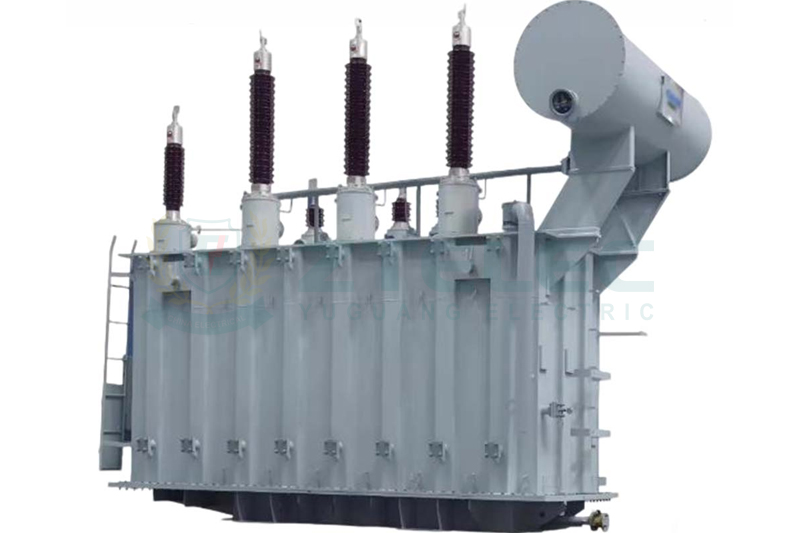
A 2000 kVA oil immersed transformer is one of the most widely used capacities in industrial power distribution and medium-scale utility applications. It bridges the gap between conventional distribution transformers and larger power transformers, making it suitable for manufacturing facilities, logistics centers, renewable energy projects, municipal substations, and transportation infrastructure.
Compared with transformers below 1000 kVA, a 2000 kVA unit requires stricter engineering considerations involving transportation, foundation design, installation clearances, and maintenance planning.
Export-oriented products typically comply with IEC 60076 standards covering temperature rise, insulation, losses, short-circuit withstand capability, and dielectric testing. Chinese manufacturers also manufacture according to GB 1094 and GB 20052-2020 energy efficiency standards, with S15 models offering some of the lowest no-load losses available worldwide.
Typical Applications of 2000 kVA Transformers
Due to their balanced capacity and cost effectiveness, 2000 kVA oil filled transformers are widely deployed in:
Large manufacturing plants involving stamping, casting, and welding operations.
Data center incoming substations and critical power systems.
Wind farm collector substations and photovoltaic step-up stations.
Port shore power installations and marine infrastructure.
Urban rail transit traction substations.
Mining operations and heavy industrial processing facilities.
2000 kVA Oil Immersed Transformer Technical Specifications
| Parameter | Typical Value | Reference Standard | Remarks |
|---|---|---|---|
| Rated Capacity | 2000 kVA | IEC 60076-1 | Continuous ONAN rating |
| HV Voltage | 10 kV / 11 kV / 33 kV / 35 kV | IEC 60076-1 | Customized to project requirements |
| LV Voltage | 400 V / 415 V | IEC 60076-1 | 50 Hz or 60 Hz |
| Vector Group | Dyn11 | IEC 60076-1 | Most common export configuration |
| Cooling Method | ONAN / ONAF | IEC 60076-2 | ONAF increases capacity by 25–30% |
| Impedance Voltage | 4%–5.5% | IEC 60076-5 | Affects short-circuit current |
| No-Load Loss | S13 ≤ 1,700 W | GB 20052-2020 | S15 ≤ 940 W |
| Load Loss | S13 ≤ 16,500 W | GB 20052-2020 | S15 ≤ 15,500 W |
| No-Load Current | ≤ 0.5% | IEC 60076-1 | Influences reactive power demand |
| Temperature Rise | Oil 55 K / Winding 65 K | IEC 60076-2 | 40°C ambient reference |
| Insulation Level | LI75/AC35 to LI200/AC85 | IEC 60076-3 | Lightning impulse and AC withstand |
| Total Weight | 6,000–7,500 kg | Manufacturer Data | Including insulating oil |
S11 vs S13 vs S15 Efficiency Comparison
Energy efficiency has become a major procurement consideration. Although high-efficiency transformers require higher initial investment, their lower operating losses significantly reduce lifecycle costs.
| Efficiency Level | No-Load Loss | Load Loss | Relative Purchase Cost | Estimated 30-Year Savings | Recommended Applications |
|---|---|---|---|---|---|
| S11 | ≤ 2,100 W | ≤ 17,200 W | Baseline | — | Temporary or low-utilization systems |
| S13 | ≤ 1,700 W | ≤ 16,500 W | +8% to +12% | USD 6,000–9,000 | Industrial plants and commercial facilities |
| S15 | ≤ 940 W | ≤ 15,500 W | +20% to +30% | USD 18,000–25,000 | Data centers and continuous operation sites |
Under conditions of 8,000 annual operating hours, 60% average loading, and an electricity price of USD 0.10/kWh, S15 transformers typically achieve payback within 5 to 7 years in high-electricity-cost markets.
2026 Global 2000 kVA Transformer Price Guide
The following FOB China price ranges represent mainstream export configurations. Actual quotations depend on copper prices, silicon steel costs, certification requirements, and delivery terms.
| Configuration | FOB China Price | Description |
|---|---|---|
| S11 Standard | USD 18,000–26,000 | IEC compliant, budget-sensitive projects |
| S13 Energy Efficient | USD 20,000–30,000 | Recommended for most industrial applications |
| S15 Ultra Efficient | USD 28,000–42,000 | Lowest lifecycle operating cost |
| 35 kV Step-Up Type | USD 32,000–52,000 | Renewable energy and utility projects |
International copper prices above USD 9,500 per ton and fluctuations in grain-oriented electrical steel have increased transformer prices by approximately 12% to 18% compared with previous years. Buyers planning large procurement volumes should negotiate price adjustment mechanisms linked to raw material indices.

Installation Requirements
Transportation and Lifting
Transformer weight generally ranges between 6 and 7.5 metric tons. Lifting must only use designated lifting lugs. During transport, the inclination angle should remain below 15 degrees to prevent oil leakage and core displacement.
For overseas shipment, nitrogen filling and moisture-proof packaging are recommended to minimize contamination risks during marine transportation.
Foundation Design
Concrete foundations should support at least 8,000 kg and use C30-grade concrete or above.
Oil containment pits should have a volume equal to or greater than 100% of total transformer oil capacity.
Indoor installations should maintain minimum clearances of 1,500 mm at the front and 800 mm on side and rear surfaces.
Outdoor foundations should be elevated at least 300 mm above surrounding grade to prevent flooding.
Grounding resistance should not exceed 4 ohms in industrial environments.
Preventive Maintenance Schedule
| Maintenance Activity | Recommended Interval | Reference |
|---|---|---|
| Oil Level and Visual Inspection | Monthly | IEC 60422 |
| Dissolved Gas Analysis (DGA) | After 6 months, then annually | IEC 60599 |
| Oil Dielectric Strength Test | Every 2–3 years | IEC 60156 |
| Infrared Thermography | Annually | Best Practice |
| Silica Gel Inspection | Annually | Manufacturer Recommendation |
| Winding Resistance Measurement | Every 3–5 years | IEC 60076-1 |
Export Procurement Checklist
Before requesting quotations, buyers should provide complete project information including installation location, altitude, ambient temperature, system voltage, frequency, grounding method, vector group, cooling requirements, tap changer specifications, efficiency requirements, certification needs, and delivery terms.
Common certification requirements include CE, KEMA, DNV, SASO, SON, and INMETRO depending on destination markets.
Special environmental conditions such as coastal salt spray, high-altitude installations, seismic zones, and heavily polluted industrial environments should also be clearly defined during the bidding stage.
Frequently Asked Questions
How much load can a 2000 kVA transformer supply?
At 400 V, the rated current is approximately 2,887 A. With a power factor of 0.85 and diversity considerations, the transformer can continuously support around 1,275 kW of industrial load.
Should I choose S13 or S15?
S13 offers the best balance between efficiency and investment for most industrial facilities. S15 becomes more economical when annual operation exceeds 6,000 hours and electricity prices remain high.
What is the difference between ONAN and ONAF?
ONAN relies on natural oil and air circulation and is the standard configuration. ONAF incorporates forced-air cooling fans, increasing effective capacity by approximately 25%.
Can Chinese-made transformers be used in Europe?
Yes. They must comply with IEC 60076 standards, satisfy EU Ecodesign Tier 2 loss requirements, obtain CE conformity, and in many cases provide KEMA or TÜV certification.
What should be done if DGA results are abnormal?
If acetylene concentrations exceed recommended thresholds or partial discharge levels rise significantly, operators should reduce loading, investigate the root cause, and schedule corrective maintenance immediately.
What is the normal delivery time?
Standard 10 kV S13 Dyn11 ONAN transformers generally require 10 to 16 weeks. Customized projects involving OLTC or special certifications may require 18 to 24 weeks.
How to Select the Right 2000 kVA Transformer
Successful transformer procurement requires balancing initial investment, operating efficiency, certification requirements, and project timelines.
Facilities operating continuously should prioritize S15 efficiency. General industrial users often achieve the best return on investment with S13 models.
Export buyers should verify the availability of complete IEC type test reports, ISO 9001 quality management certification, factory acceptance testing capabilities, and experience with destination-market approvals.
Including FAT witness testing, third-party inspections by organizations such as SGS or Bureau Veritas, and baseline DGA reports within the purchase contract can significantly reduce long-term operational risks.
The 2000 kVA oil immersed transformer remains one of the most versatile solutions for industrial, commercial, renewable energy, and utility applications. By evaluating efficiency levels, lifecycle costs, installation conditions, and certification requirements, buyers can secure reliable equipment that delivers both operational performance and long-term economic value.