1000 kVA Oil-Immersed Transformer Replacement: When Should You Repair or Replace?
Time:2026-07-8 Auther:ZTelec-www.ztelectransformer.com
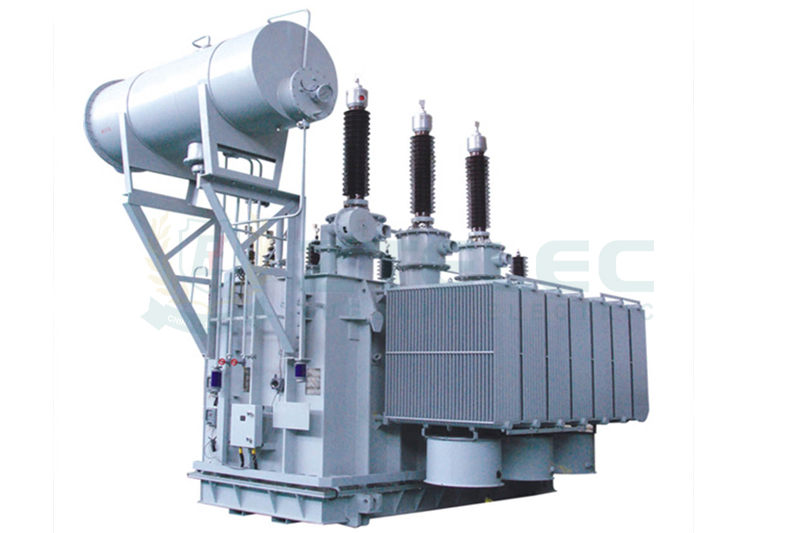
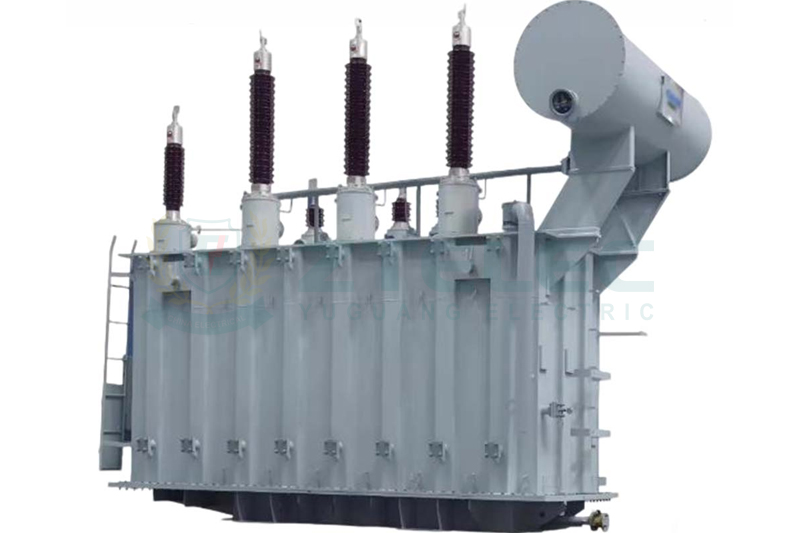
A 1000 kVA oil-immersed transformer is a critical asset in factories, commercial buildings, industrial facilities, utility substations, and infrastructure projects. As transformers age, maintenance teams are often faced with an important question: should the transformer continue to be repaired, or is it time to invest in a replacement?
The answer affects far more than maintenance budgets. It directly impacts power system reliability, operational safety, equipment efficiency, and the total cost of ownership. While routine maintenance can significantly extend transformer service life, there comes a point where repeated repairs become less economical and may even increase the risk of unexpected failures.
This guide explains how to determine the optimal time to repair or replace a 1000 kVA oil-filled transformer by evaluating operating symptoms, diagnostic testing, equipment age, lifecycle economics, and operational risks.

Recognize the Early Warning Signs of Transformer Aging
The first step in making an informed decision is identifying early indicators of transformer deterioration. Many serious internal faults develop gradually, allowing preventive action before catastrophic failure occurs.
One of the most obvious signs is deterioration of insulating oil. Fresh transformer oil is typically clear and light yellow. As oxidation progresses, the oil becomes darker, cloudy, or develops sludge, indicating thermal aging, moisture contamination, or internal electrical faults.
Abnormal operating noise is another important warning signal. A healthy transformer produces a steady humming sound. Increased vibration, metallic noises, clicking, or sudden crackling may indicate loose core laminations, winding displacement, or internal discharge.
Unusual temperature increases should also receive immediate attention. When oil temperature or winding temperature becomes noticeably higher than historical operating records under similar loading conditions, cooling performance or internal insulation may already be deteriorating.
Oil leakage around gaskets, bushings, valves, or radiators should never be ignored. Besides reducing insulation performance, oil leaks may introduce moisture into the transformer and create environmental hazards.
Frequent operation of protective devices—including Buchholz relay alarms, pressure relief devices, differential protection trips, or over-temperature alarms—often indicates developing internal faults that require comprehensive investigation.
Use Diagnostic Testing to Make Data-Driven Decisions
Visual observations alone cannot accurately determine transformer health. Professional diagnostic testing provides objective information about the condition of the transformer’s insulation system and internal components.
Insulation resistance and polarization index tests evaluate the condition of solid insulation. A significant decrease in insulation resistance or a polarization index below recommended values generally indicates insulation deterioration or moisture contamination.
Dissolved Gas Analysis (DGA) is widely regarded as one of the most valuable diagnostic tools for oil-filled transformers. By measuring gases such as hydrogen, acetylene, methane, ethylene, and ethane dissolved in transformer oil, engineers can identify overheating, arcing, partial discharge, and other developing internal faults before they become critical.
Frequency Response Analysis (FRA) helps detect winding displacement or deformation caused by short-circuit forces, transportation damage, or mechanical stress.
Dielectric dissipation factor (tan δ) testing measures insulation aging. A continuously increasing dielectric loss factor usually indicates progressive insulation degradation.
Infrared thermography is another effective predictive maintenance technique that identifies localized overheating in bushings, cable connections, tap changers, and cooling equipment without interrupting transformer operation.
When multiple diagnostic tests consistently indicate irreversible insulation deterioration or active internal electrical faults, replacing the transformer is generally a more reliable long-term solution than repeated repairs.
Evaluate Service Life Together with Operating Conditions
Although most oil-immersed transformers are designed for a service life of approximately 25 to 30 years, actual lifespan depends heavily on operating conditions.
Continuous overloading significantly accelerates insulation aging by increasing winding temperatures. High ambient temperatures, poor ventilation, excessive humidity, contaminated environments, and corrosive atmospheres also shorten transformer life.
Electrical loading characteristics are equally important. Frequent motor starting, cyclic loading, high harmonic distortion from variable frequency drives, rectifiers, or data center equipment impose additional thermal and mechanical stresses on transformer insulation.
Transformers operating for more than twenty years with declining insulation performance should be carefully evaluated for replacement, even if they remain operational. Waiting until a major failure occurs often results in higher replacement costs, longer outages, and greater operational disruption.

When Repair Is the Best Option
Not every transformer fault requires complete replacement. Many common problems can be corrected through professional maintenance at a relatively low cost.
Oil leaks caused by aging gaskets or seals are usually resolved by replacing sealing components and tightening mechanical connections.
Failures involving auxiliary equipment—including cooling fans, oil pumps, temperature indicators, control systems, or on-load tap changers—can generally be repaired or replaced without affecting the transformer core and windings.
If insulating oil quality has deteriorated but the internal insulation remains healthy, oil filtration, dehydration, vacuum degassing, or oil regeneration can significantly restore dielectric performance.
Damaged bushings or other external accessories can also be replaced economically provided that the transformer’s core and winding assembly remain in good condition.
For these types of issues, timely maintenance can extend transformer service life while minimizing capital expenditure.
When Replacement Is the Better Investment
Certain transformer failures cannot be economically repaired and usually justify complete replacement.
Serious winding deformation, inter-turn short circuits, or extensive insulation failure are structural defects that rarely allow reliable long-term repair.
DGA results showing continuously increasing concentrations of fault gases associated with active arcing or severe overheating often indicate internal damage that cannot be permanently corrected through oil treatment alone.
Transformers exhibiting multiple indicators of advanced insulation deterioration—including poor insulation resistance, increasing dielectric losses, and repeated protective relay operations—typically face accelerating reliability problems.
Replacement should also be strongly considered when maintenance costs approach approximately 50% to 60% of the purchase price of a new transformer, particularly if the existing unit has already exceeded its expected design life.
At this stage, repeated repairs usually provide only temporary improvements while overall reliability continues to decline.
Compare Lifecycle Costs Instead of Individual Repair Bills
Repair-versus-replacement decisions should be based on total lifecycle cost rather than immediate maintenance expenses.
Repair costs should include current maintenance expenditure, expected remaining service life, probability of future failures, planned maintenance frequency, and associated downtime risks.
Replacement costs include procurement of a new transformer, transportation, installation, commissioning, and disposal of the existing unit. However, modern transformers generally offer lower no-load losses, improved energy efficiency, reduced maintenance requirements, and enhanced reliability.
Perhaps the most significant factor is the financial impact of unexpected outages. For manufacturing facilities, hospitals, commercial buildings, and critical infrastructure, production losses, contractual penalties, equipment damage, and business interruption often exceed the purchase price difference between repairing and replacing the transformer.
A comprehensive lifecycle cost analysis frequently demonstrates that timely replacement produces lower long-term operating costs than repeatedly extending the life of an aging transformer.
Build a Predictive Maintenance Strategy
The most effective asset management programs rely on predictive maintenance rather than reactive repairs. Periodic DGA testing, insulation diagnostics, infrared inspections, partial discharge monitoring, oil quality analysis, and digital condition monitoring provide valuable trend data that supports informed maintenance planning.
Modern online monitoring systems can continuously track transformer temperature, moisture content, dissolved gases, loading conditions, and insulation health, enabling maintenance teams to detect developing problems before they become critical failures.
By combining predictive diagnostics with scheduled maintenance and lifecycle planning, utilities and industrial operators can maximize transformer availability while minimizing unexpected downtime and capital expenditures.
Deciding whether to repair or replace a 1000 kVA oil-immersed transformer requires balancing operational safety, reliability, and long-term economic performance. Rather than relying solely on equipment age or visual inspection, maintenance decisions should be based on comprehensive condition assessments that include insulation testing, Dissolved Gas Analysis (DGA), winding diagnostics, operating history, and lifecycle cost evaluation.
When diagnostic data indicates irreversible insulation aging, active internal faults, or repair costs approaching the economic replacement threshold, investing in a new transformer is often the most cost-effective strategy. A proactive replacement plan not only improves power system reliability and energy efficiency but also reduces the risk of costly unplanned outages, ensuring stable and dependable operation throughout the facility’s electrical infrastructure.