EPC Transformer Procurement from China: Reliable Supplier Selection Guide
Time:2026-07-6 Auther:ZTelec-www.ztelectransformer.com
Global investment in power infrastructure, renewable energy, and industrial development continues to expand rapidly. As a result, Engineering, Procurement, and Construction (EPC) contractors are increasingly sourcing power transformers from China.
China has become a leading global manufacturing hub for transformers. This is mainly due to its complete industrial supply chain, advanced engineering capability, and strong export experience.
However, EPC procurement is not only about price. Supplier reliability, manufacturing quality, compliance with international standards, and delivery performance are equally important for project success.
This article provides a structured guide for EPC contractors to select reliable transformer suppliers in China and reduce procurement risks.

Why EPC Contractors Source Transformers from China
China offers a fully integrated transformer manufacturing ecosystem. It covers raw materials, core processing, winding production, assembly, testing, and final packaging.
In addition, this integrated supply chain significantly reduces production cost and delivery time. Therefore, EPC contractors benefit from both economic efficiency and production scalability.
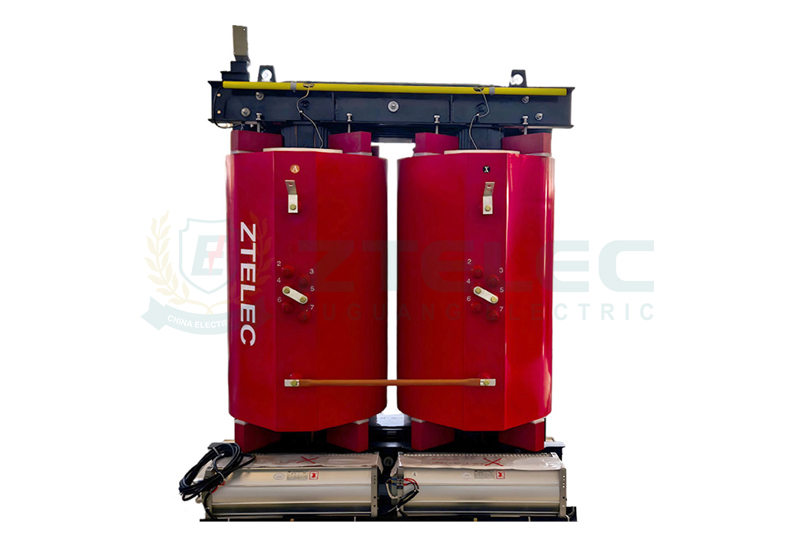
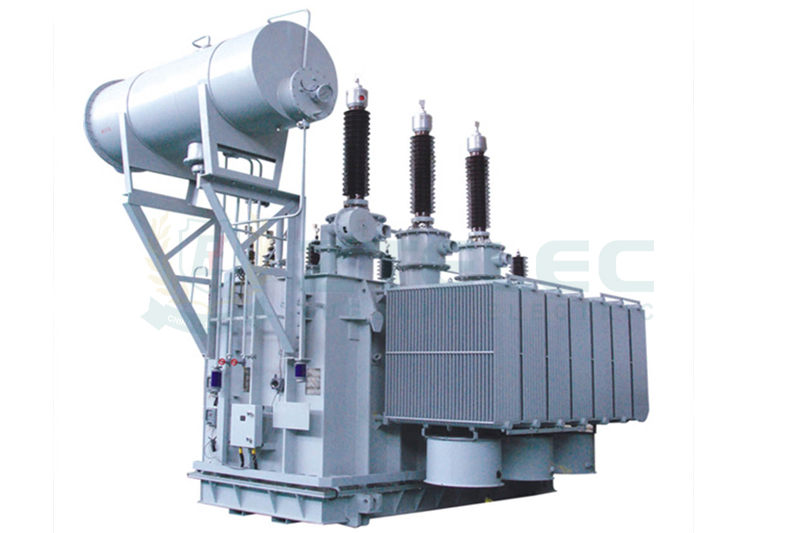
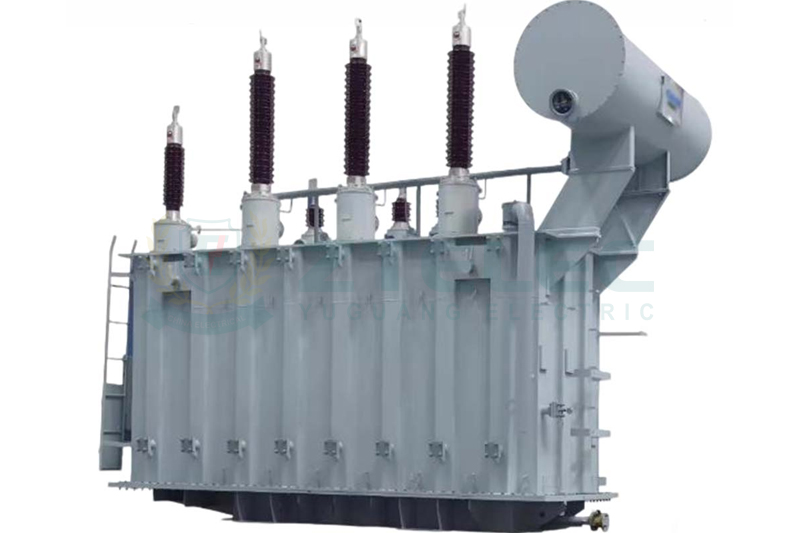
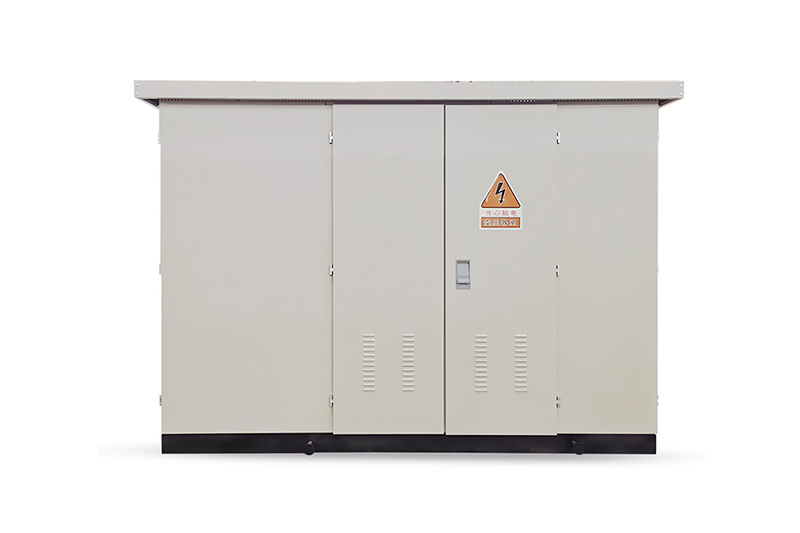
Moreover, Chinese manufacturers can produce distribution transformers, power transformers, dry type transformers, and high-voltage equipment that comply with IEC, IEEE, and ANSI standards.
As a result, Chinese suppliers are widely accepted in international EPC projects across the Middle East, Africa, Southeast Asia, and South America.
Supplier Qualification and Evaluation
Verify Company Certifications
Before selecting a supplier, EPC contractors should verify key certifications. These include ISO 9001 quality management, ISO 14001 environmental management, and ISO 45001 safety certification.
In addition, product compliance with IEC 60076 or IEEE C57 standards should be confirmed. This ensures compatibility with international power systems.
Check Export Experience
Suppliers with strong export experience are more reliable for EPC projects. They understand international documentation, packaging requirements, and logistics coordination.
Furthermore, past project references help verify their technical capability and production stability.
Evaluate Manufacturing Capability
Manufacturing capacity directly affects project delivery. EPC contractors should confirm production scale, testing facilities, and engineering capabilities.
In addition, suppliers should demonstrate experience in producing similar voltage levels and capacities.
Factory Audit and Quality Verification
Factory audits are essential for reducing procurement risk. EPC contractors should conduct on-site inspections or appoint third-party agencies such as SGS, BV, or TÜV.
Audits should evaluate production equipment, quality control systems, and testing laboratories.
Key Production Facilities
Modern transformer factories should have vacuum drying systems, vacuum oil filling equipment, and automated winding machines.
Furthermore, high-voltage testing laboratories are required for partial discharge, lightning impulse, and temperature rise tests.
Material Traceability
Reliable manufacturers must ensure traceability of key raw materials such as silicon steel, copper conductors, insulation paper, and transformer oil.
Therefore, full documentation of suppliers and material origin is essential for quality assurance.
Technical Specification Requirements
Clear technical specifications are critical for successful procurement. EPC contractors should define all key transformer parameters in detail.
These include rated capacity, voltage level, vector group, cooling method, impedance, and loss values.
In addition, insulation level, temperature rise limits, noise level, and tap changer type must be clearly specified.
Compliance with International Standards
Transformers should comply with IEC 60076, IEEE C57, or local utility requirements depending on the project location.
Therefore, early clarification of standards avoids compliance issues during inspection and commissioning.
Environmental Design Conditions
Different environments require customized transformer designs. High altitude, high humidity, and coastal environments all require special engineering considerations.
For example, corrosion protection is essential for coastal installations, while insulation reinforcement is required for high altitude regions.
Factory Acceptance Testing (FAT)
Factory Acceptance Testing is a critical stage in transformer procurement. It ensures that equipment meets design and performance requirements before shipment.
FAT typically includes ratio testing, insulation resistance testing, no-load and load loss testing, impedance testing, and partial discharge testing.
Moreover, temperature rise tests and routine electrical tests verify long-term operational stability.
Manufacturing Supervision
For large EPC projects, on-site inspection during production is recommended. Key stages include core assembly, winding, drying, and final assembly.
This ensures full transparency and reduces the risk of manufacturing defects.
Contract Management and Commercial Terms
Clear contract terms help prevent disputes during execution. EPC contracts should define technical scope, delivery schedule, warranty terms, and inspection requirements.
In addition, payment terms such as Letter of Credit or milestone payments improve financial security for both parties.
Warranty obligations should include repair, replacement, and spare parts availability during the guarantee period.

International Logistics and Transportation
International logistics plays a critical role in EPC transformer procurement. Proper planning ensures safe delivery, cost efficiency, and on-time project execution.
Large power transformers are classified as oversized cargo. Therefore, specialized transport solutions are required from factory loading to final installation site delivery.
In addition, EPC contractors should select experienced logistics providers capable of handling heavy lift operations, port coordination, and customs procedures.
Safe Transportation Requirements
Transformers must be properly secured during inland transport and sea shipping. Vibration protection, moisture control, and structural reinforcement are essential.
Furthermore, nitrogen filling protection is recommended for oil immersed transformers to prevent moisture contamination during long-distance shipping.
Customs Clearance and Documentation
Successful customs clearance depends on complete and accurate documentation. EPC contractors must ensure all export and shipping documents are properly prepared.
Required documents typically include commercial invoices, packing lists, certificates of origin, test reports, and installation manuals.
In addition, compliance certificates and factory test reports are often required by customs authorities and end users.
Procurement Risk Management
EPC transformer procurement involves several potential risks. These include supplier delays, quality issues, transport damage, and currency fluctuations.
However, these risks can be effectively controlled through structured procurement strategies and third-party inspections.
Risk Control Measures
Supplier audits and factory inspections help ensure manufacturing reliability. In addition, third-party FAT inspection reduces quality risks before shipment.
Moreover, cargo insurance protects against transportation damage, while contractual penalties reduce delivery delay risks.
Therefore, a structured risk management system significantly improves project stability and cost control.
Long-Term Supplier Cooperation Strategy
For EPC contractors with continuous project pipelines, long-term cooperation with qualified suppliers provides significant advantages.
It ensures stable pricing, priority production scheduling, and consistent product quality across multiple projects.
Furthermore, strategic partnerships improve engineering support, spare parts availability, and after-sales service responsiveness.
As a result, EPC contractors can achieve higher efficiency and lower total procurement cost over time.
Frequently Asked Questions (FAQ)
Why do EPC contractors choose Chinese transformer manufacturers?
China offers a complete supply chain, competitive pricing, and strong manufacturing capability that meets international standards such as IEC and IEEE.
What standards should transformers comply with?
Most EPC projects require compliance with IEC 60076, IEEE C57, or local utility specifications depending on project location.
Is Factory Acceptance Testing necessary?
Yes. FAT ensures that transformers meet technical and performance requirements before shipment, reducing project risks significantly.
How can EPC contractors reduce procurement risks?
Risks can be reduced through factory audits, third-party inspection, strict contract terms, and comprehensive logistics planning.
Transformer procurement from China provides EPC contractors with strong advantages in cost efficiency, manufacturing capability, and global supply reliability.
However, success depends on structured supplier evaluation, clear technical specifications, strict quality control, and effective contract management.
By implementing a systematic procurement strategy, EPC contractors can significantly reduce project risks and ensure successful delivery of power infrastructure projects worldwide.