10kV 30–4000kVA Cast Resin Dry-Type Transformer for Power Systems
Time:2025-12-15 Auther:ZTelec-www.ztelectransformer.com
As power distribution systems continue to evolve, safety, environmental protection, and long-term reliability have become key design priorities. Under this trend, 10kV cast resin dry-type transformers are increasingly adopted in medium-voltage networks.
Among various specifications, transformers rated from 30kVA to 4000kVA are the most widely used. They can easily support small commercial loads while also meeting the demands of industrial plants and large infrastructure projects.
Today, these transformers are commonly installed in urban distribution systems, renewable energy projects, public facilities, and industrial power networks. This article offers a clear and practical overview of 10kV 30–4000kVA cast resin dry-type transformers, focusing on structure, advantages, applications, and key selection considerations.
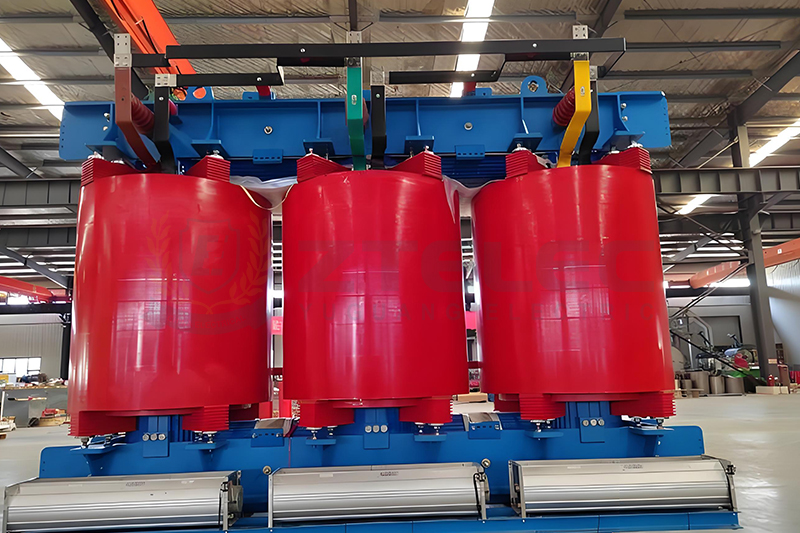
Overview of Cast Resin Dry-Type Transformers
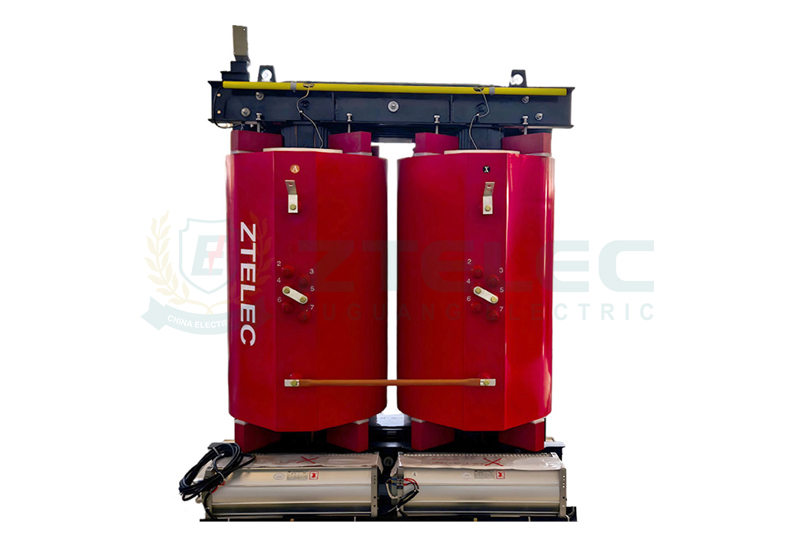
Cast resin dry-type transformers are manufactured using a vacuum casting process. During production, both high-voltage and low-voltage windings are fully encapsulated with epoxy resin, forming a solid and uniform insulation layer.
This insulation structure provides strong protection against moisture, dust, and chemical pollution. As a result, cast resin transformers perform reliably even in harsh environments or locations with strict safety requirements.
Compared with traditional oil-immersed transformers, dry-type units completely eliminate the risks of oil leakage, fire, and environmental contamination. This makes them fully compliant with modern fire safety and environmental regulations.
Key Advantages of 30–4000kVA Cast Resin Dry-Type Transformers
High Safety Performance
The oil-free design removes the possibility of oil leakage, combustion, or explosion. Epoxy resin cast windings offer excellent flame-retardant performance, allowing safe operation in densely populated areas, underground facilities, and enclosed distribution rooms.
Stable and Reliable Operation
Because the windings are cast as an integral structure, the transformer achieves high mechanical strength and strong resistance to short-circuit forces. Low partial discharge levels help maintain insulation stability and extend service life during continuous operation.
Environmentally Friendly and Low Maintenance
Without insulating oil, cast resin dry-type transformers meet increasingly strict environmental standards. Daily maintenance is simple and usually limited to inspection and surface cleaning, significantly reducing long-term operation and maintenance costs.
Wide Capacity Range and Flexible Design
The 30–4000kVA capacity range allows one transformer series to cover a wide variety of load requirements. Temperature rise limits, insulation class, and enclosure protection level can all be customized to suit specific project conditions.
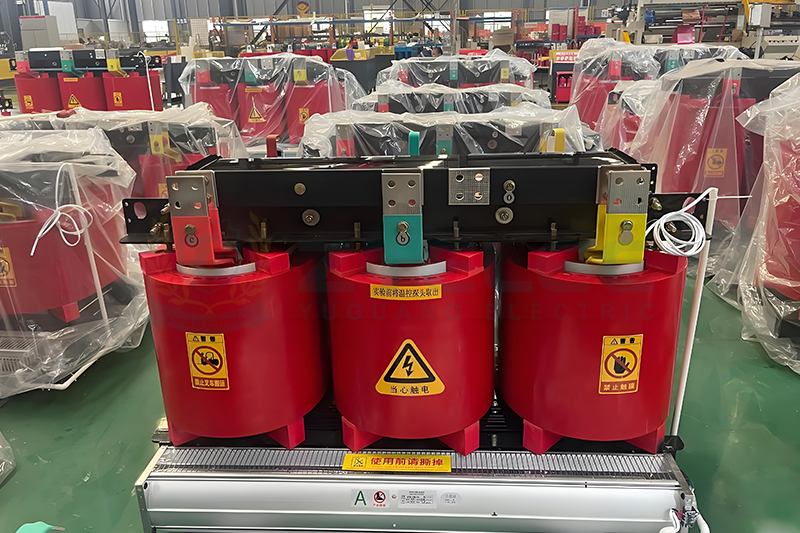
Capacity Range and Typical Applications
Transformers rated from 30kVA to 500kVA are commonly used in small commercial buildings, residential communities, solar inverter stations, and light industrial facilities where compact size and safety are essential.
Units in the 500–2000kVA range are well suited for medium-sized factories, data centers, hospitals, schools, and large commercial complexes that require stable power supply and low operating noise.
High-capacity transformers from 2000kVA to 4000kVA are typically applied in heavy industrial plants, rail transit systems, ports, large-scale photovoltaic and wind power projects, and regional substations.
Selection and Installation Considerations
Load Analysis
Transformer capacity should be selected based on accurate load calculations. It is recommended to reserve sufficient margin for future expansion to avoid long-term overload operation.
Environmental Conditions
Ambient temperature, humidity, altitude, and pollution level at the installation site should be carefully evaluated. These factors directly influence the cooling method, enclosure design, and protection level of the transformer.
Energy Efficiency Requirements
The transformer should comply with applicable energy efficiency standards, such as GB 20052. High-efficiency models help reduce both no-load and load losses, lowering operating costs over the service life.
Installation and Maintenance Space
The installation area must provide adequate ventilation and sufficient space for inspection and maintenance. Regular cleaning, temperature monitoring, and inspection of fastening components help ensure long-term stable operation.
Frequently Asked Questions
What is the main difference between dry-type and oil-immersed transformers?
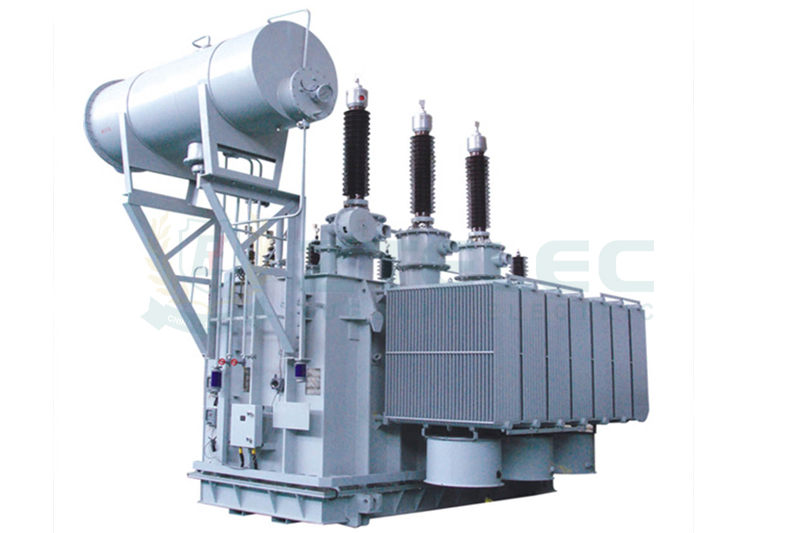
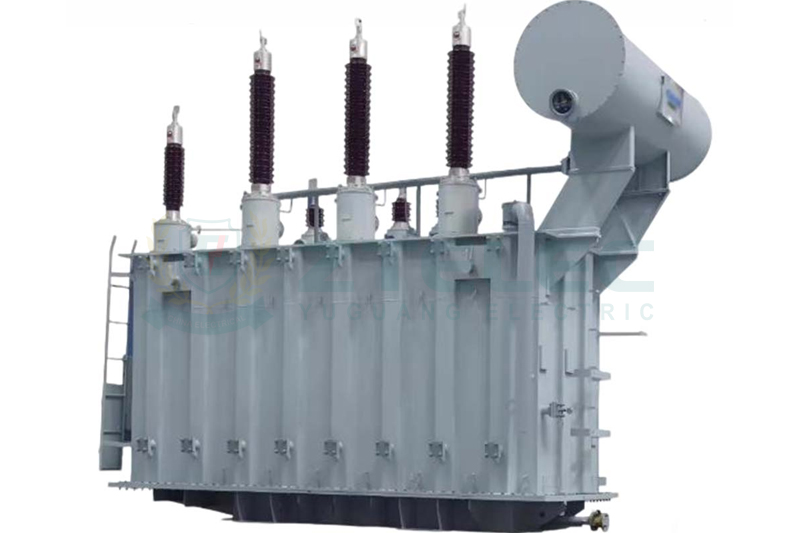
Dry-type transformers use epoxy resin insulation, offering better resistance to moisture and environmental pollution. Oil-immersed transformers rely on insulating oil, which is usually more economical but involves higher fire and environmental risks.
Does a 4000kVA dry-type transformer require a separate distribution room?
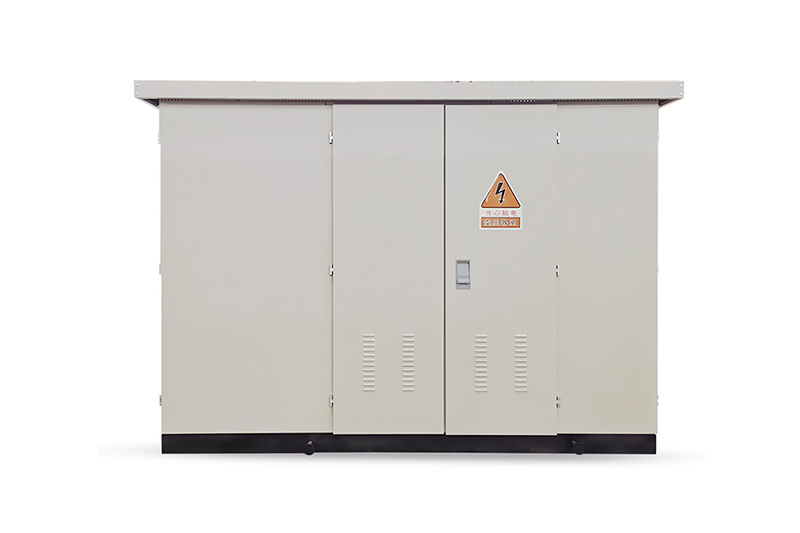
In most cases, yes. While local regulations should always be followed, a dedicated distribution room is recommended to ensure proper cooling, noise control, and safe operating space.
What is the operating noise level of a cast resin dry-type transformer?
With optimized core materials and vibration-damping structural design, operating noise is typically controlled below 55 dB, making these transformers suitable for urban and noise-sensitive environments.
10kV 30–4000kVA cast resin dry-type transformers combine high safety, environmental friendliness, stable performance, and flexible configuration. They have become an important part of modern power distribution systems as urbanization accelerates and renewable energy continues to expand.
For new distribution projects or power system upgrades, selecting a high-quality 10kV cast resin dry-type transformer is a reliable way to ensure safe, efficient, and long-term stable operation of the power network.