30–4000kVA 10kV Cast Resin Dry-Type Transformer Manufacturer Pricing Guide
Time:2025-12-13 Auther:ZTelec-www.ztelectransformer.com
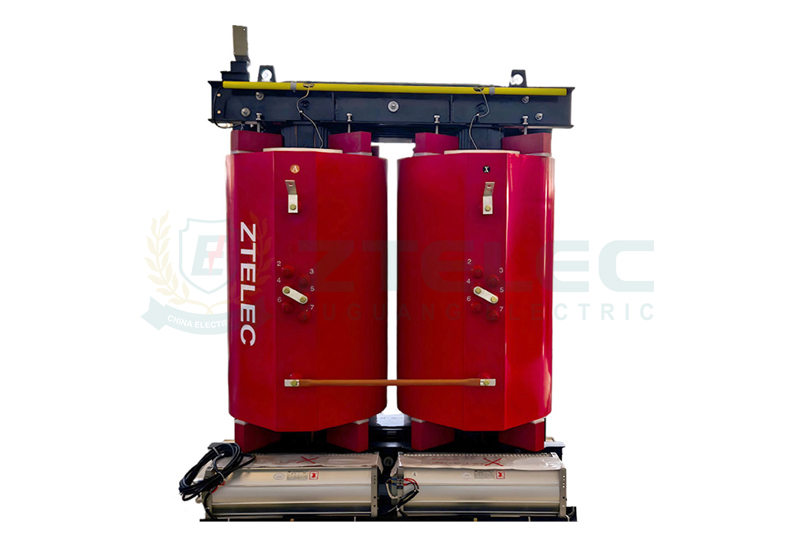
In industrial power distribution systems, renewable energy installations, commercial complexes, and large-scale infrastructure projects, 30–4000kVA 10kV cast resin dry-type transformers have become a preferred solution. Their high operational safety, low maintenance requirements, and environmentally friendly performance make them a standard choice for medium-voltage distribution networks.
Understanding manufacturer pricing is critical for buyers aiming to balance upfront investment with long-term operational efficiency. This article analyzes typical price ranges, explains the main factors influencing costs, and provides practical procurement guidance to support informed purchasing decisions.
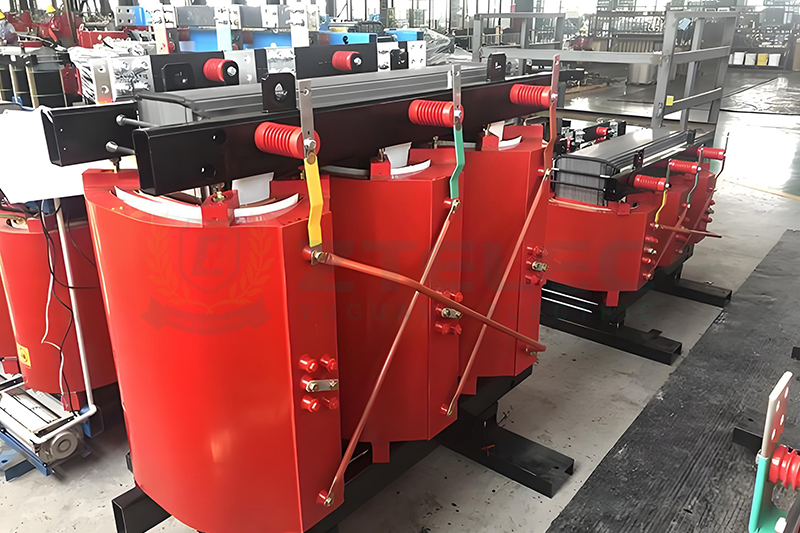
Price Range of 30–4000kVA 10kV Cast Resin Dry-Type Transformers
Manufacturer pricing for 10kV cast resin dry-type transformers is closely linke d to rated capacity and technical configuration. The following price ranges reflect general market conditions and are provided for reference purposes:
For 30–500kVA units, commonly used in small commercial facilities and light industrial applications, prices typically range from RMB 25,000 to RMB 120,000.
Transformers rated between 500–2000kVA represent the mainstream segment for industrial power distribution. Manufacturer pricing in this range generally falls between RMB 120,000 and RMB 350,000.
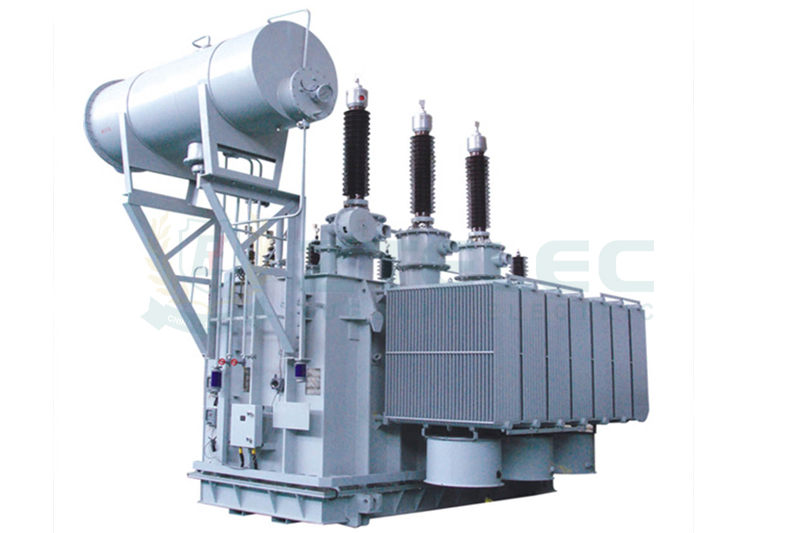
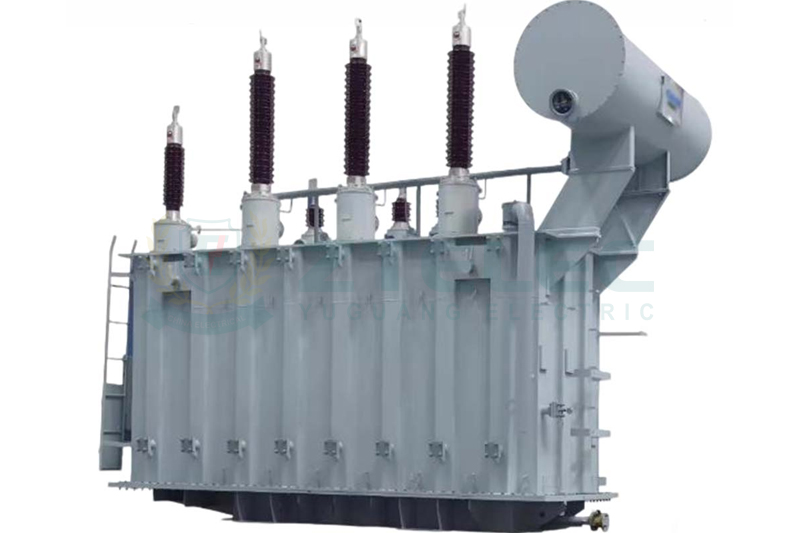
Large-capacity transformers from 2000–4000kVA, designed for heavy industry, infrastructure projects, and high-load environments, usually start at RMB 350,000 and can exceed RMB 800,000 depending on specifications.
Even within the same capacity range, price variations of 20% to 40% are common due to differences in manufacturer expertise, material selection, efficiency standards, and customization requirements.
Key Factors Affecting Manufacturer Pricing
Capacity and voltage level play a fundamental role in pricing. Higher-capacity transformers require increased quantities of silicon steel cores, conductor material, and insulation components, which naturally drives costs upward in stages.
Winding and conductor materials also significantly impact pricing. Copper windings provide superior electrical conductivity and reduced losses, resulting in higher equipment costs. Aluminum windings offer a more economical alternative and are often selected for cost-sensitive projects with moderate performance requirements.
The insulation system and material grade further influence manufacturer quotations. Transformers using advanced epoxy resin casting technology combined with Class F or Class H insulation deliver higher thermal resistance, improved reliability, and longer service life, which is reflected in a higher factory price.
Loss levels and energy efficiency standards are increasingly important in modern procurement. Low-loss 10kV cast resin dry-type transformers that comply with national or international high-efficiency standards may have a higher initial cost but provide substantial energy savings and reduced operating expenses over their lifecycle.
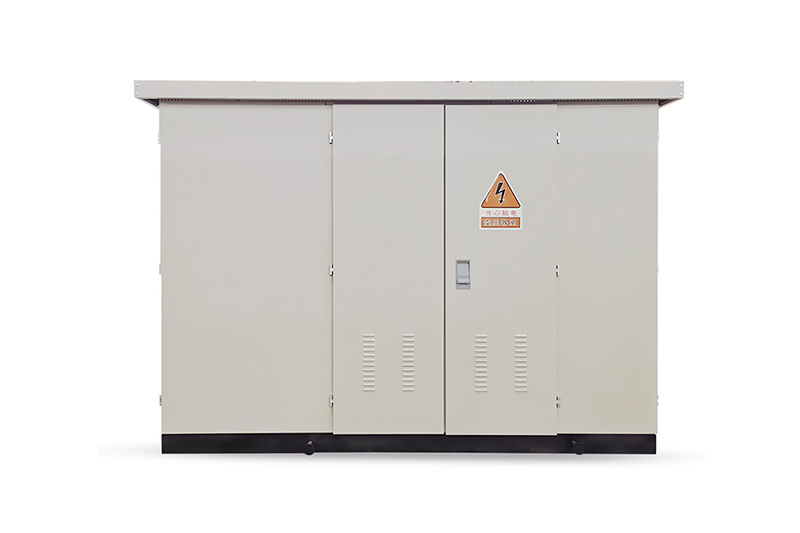
Protection level and structural configuration also affect pricing. Standard indoor designs such as IP00 are more economical, while enclosed protection types like IP20 or IP23, as well as customized solutions for high-altitude, high-humidity, or heavily polluted environments, result in higher manufacturer pricing due to added engineering and materials.
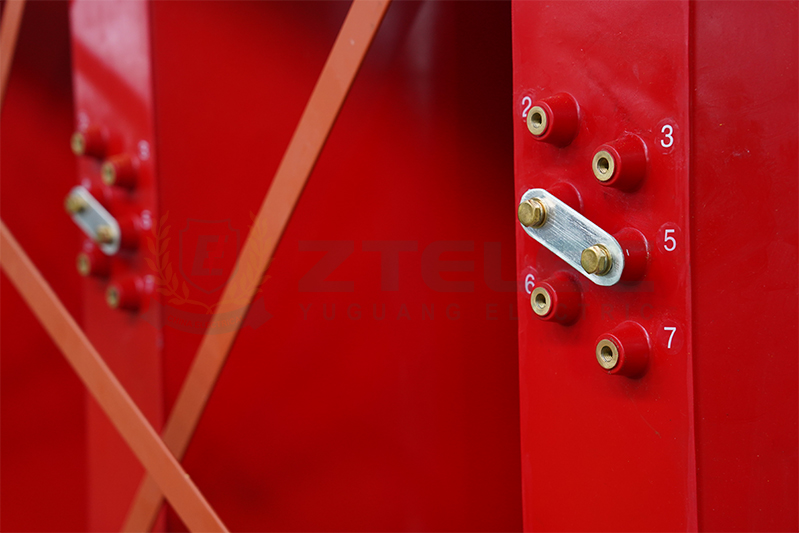
Price Differences Across Application Scenarios
In commercial buildings, hospitals, and metro systems, emphasis is placed on low noise levels, minimal partial discharge, and stable operation. These requirements typically lead to mid-range or higher pricing.
Industrial manufacturing plants and mining operations prioritize overload capability, mechanical strength, and durability. Enhanced structural design and reinforced components increase overall equipment cost.
Renewable energy projects and data centers demand exceptionally high reliability, insulation performance, and thermal stability. These applications usually specify high-end transformer configurations, placing them at the upper end of the price spectrum.
Procurement Recommendations
Accurate capacity selection is essential. Choosing a transformer size that closely matches actual load demand helps avoid unnecessary oversizing and can reduce initial investment by approximately 15% to 30%.
Technical parameters should be selected based on real operating conditions. For standard indoor environments, conventional protection classes are often sufficient. Energy efficiency levels should be matched to load profiles to achieve an optimal balance between purchase cost and long-term energy savings.
Procurement timing can also influence final pricing. Purchasing during periods of lower copper prices may reduce costs by 8% to 15%. In addition, manufacturer promotions or production cycles in the second half of the year can provide opportunities for more favorable quotations.
Tendering and bulk purchasing strategies are effective for cost control. Ordering three or more units at once often qualifies for discounts ranging from 5% to 12%, while open bidding encourages competitive pricing and greater transparency.
When sourcing 30–4000kVA 10kV cast resin dry-type transformers, procurement decisions should extend beyond initial price comparisons. A clear understanding of how manufacturer pricing aligns with technical specifications, material quality, efficiency standards, and long-term operational value is essential for developing a cost-effective strategy.
Conducting detailed technical evaluations, comparing offers from multiple manufacturers, and consulting third-party technical experts when necessary can help ensure that transformer investments deliver both safety and economic efficiency throughout their service life.