110kV Oil-Immersed Transformer: Price Structure, Configuration Options, and Key Technical Parameters
Time:2025-12-23 Auther:ZTelec-www.ztelectransformer.com
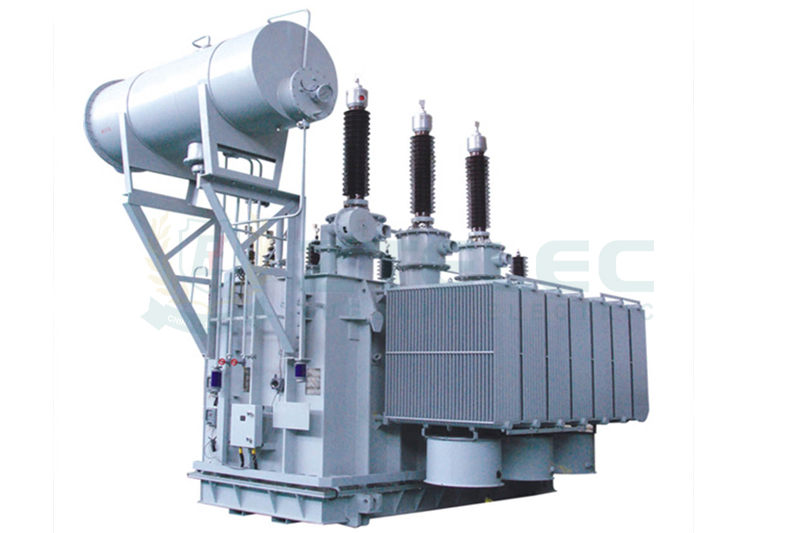
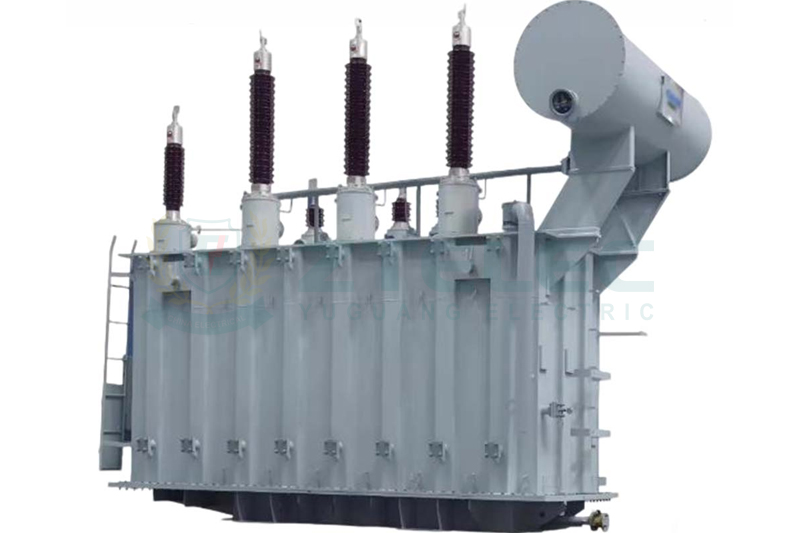
In regional power grid construction, industrial park power supply systems, and new energy substations, the 110kV oil-immersed power transformer is one of the most widely deployed devices for medium- and high-voltage power transmission and transformation. Its overall performance, configuration scheme, and manufacturing quality directly influence grid safety, operational efficiency, and long-term project economics.
For procurement engineers, EPC contractors, and project decision-makers, a clear understanding of price composition, configuration selection, and technical parameters is essential to achieving cost-effective investment and stable system operation. This article provides a systematic analysis of 110kV oil-immersed transformers from these three critical perspectives, offering practical guidance for equipment selection and project planning.

Price Structure of 110kV Oil-Immersed Power Transformers
The total cost of a 110kV oil-immersed transformer is determined by multiple factors, with raw materials, technical configuration, manufacturing quality, and auxiliary systems playing decisive roles.
Raw materials represent a substantial proportion of the overall price. Core materials such as high-grade silicon steel directly affect no-load losses and energy efficiency. Winding materials, typically copper or aluminum, influence load losses, thermal performance, and short-circuit withstand capability. In addition, insulating oil, solid insulation components, and structural steel parts all contribute to cost while determining long-term reliability.
Technical configuration and performance requirements further differentiate pricing. Low-loss designs compliant with energy efficiency standards reduce operating costs over the transformer’s service life but increase initial investment. On-load tap changers, enhanced short-circuit strength, low-noise design, and seismic resistance features also raise manufacturing complexity and cost. Selecting configurations that match actual operating conditions rather than excessive specifications is key to balancing performance and budget.
Brand reputation, design experience, and manufacturing processes also have a direct impact on pricing. Established transformer manufacturers typically adopt mature design methodologies, strict quality control systems, and advanced production techniques such as precision core cutting, vacuum drying, and vacuum oil filling. Although these processes increase upfront cost, they significantly reduce failure rates, maintenance frequency, and unplanned outages over the transformer’s lifecycle.
Auxiliary systems and intelligent monitoring functions are increasingly important cost components. Cooling system options range from natural oil and air cooling to forced oil and air cooling, each offering different thermal performance and price levels. Modern intelligent solutions, including online dissolved gas analysis, winding and oil temperature monitoring, and digital terminal integration, raise initial investment but enable condition-based maintenance and improve operational reliability.
Additional expenses such as long-distance transportation, on-site installation and commissioning, applicable taxes, and mandatory certifications should also be fully considered during budgeting to avoid unexpected project overruns.

Typical Configuration Options for 110kV Oil-Immersed Transformers
Configuration schemes for 110kV oil-immersed transformers vary according to application scenarios, operating environments, and load characteristics.
In power grid transmission and distribution projects, commonly selected rated capacities include 31.5MVA, 40MVA, and 50MVA. On-load tap changers are widely used to maintain voltage stability under fluctuating load conditions. Forced oil and air cooling systems are typically adopted to improve heat dissipation and ensure long-term stable operation, meeting the strict reliability requirements of utility operators.
For industrial enterprises and large load users, transformer capacity is usually customized based on actual power demand and future expansion plans. Copper windings are often preferred to enhance mechanical strength and short-circuit resistance. Structural design must accommodate frequent load variations while maintaining acceptable temperature rise and insulation performance.
In new energy substations, such as wind power and photovoltaic projects, 110kV oil-immersed transformers must cope with variable power output, higher ambient temperatures, and complex operating conditions. Optimized cooling structures and intelligent remote monitoring systems are increasingly applied to support unmanned operation and integration with smart grid platforms.
A well-matched configuration helps balance initial investment and total lifecycle cost, which is especially critical for long-term infrastructure and energy projects.
Main Technical Parameters of 110kV Oil-Immersed Power Transformers
A standard 110kV oil-immersed power transformer is typically designed with a high-voltage rating of 110kV and low-voltage ratings of 35kV or 10kV, depending on system requirements. Rated capacity generally ranges from 31.5MVA to 63MVA, with customized designs available for special applications.
The rated frequency is 50Hz. Cooling methods commonly include ONAN and ONAF. Voltage regulation is achieved through an on-load tap changer, with a typical adjustment range of ±8 × 1.25 percent. Short-circuit impedance usually falls between 8 percent and 12 percent, ensuring grid stability and adequate fault tolerance.
Insulation levels comply with IEC 60076 standards, and loss values meet national energy efficiency requirements or customized low-loss specifications. Under normal operating and maintenance conditions, the designed service life of a 110kV oil-immersed transformer is typically 30 years or more.
The 110kV oil-immersed power transformer is a core component of modern power systems. Its price structure, configuration options, and technical parameters have a direct impact on project safety, operational efficiency, and long-term economic performance.
By understanding the key cost drivers and selecting configurations that align with actual application scenarios, project owners and engineers can optimize investment efficiency, reduce lifecycle costs, and ensure reliable, efficient operation throughout the transformer’s service life.