110kV Oil-Immersed Power Transformer: Insulation System, Cooling Method, and Core Material Technology
Time:2025-12-22 Auther:ZTelec-www.ztelectransformer.com
As power grids evolve toward higher voltage levels, larger capacities, and enhanced reliability, the 110kV oil-immersed power transformer has become a core component in regional transmission networks, industrial power supply systems, and renewable energy grid connection projects. The design quality of the insulation system, the selection of cooling methods, and the advancement of core material technology directly determine transformer safety, operating efficiency, and long-term service life.

Insulation System Technology of 110kV Oil-Immersed Power Transformers
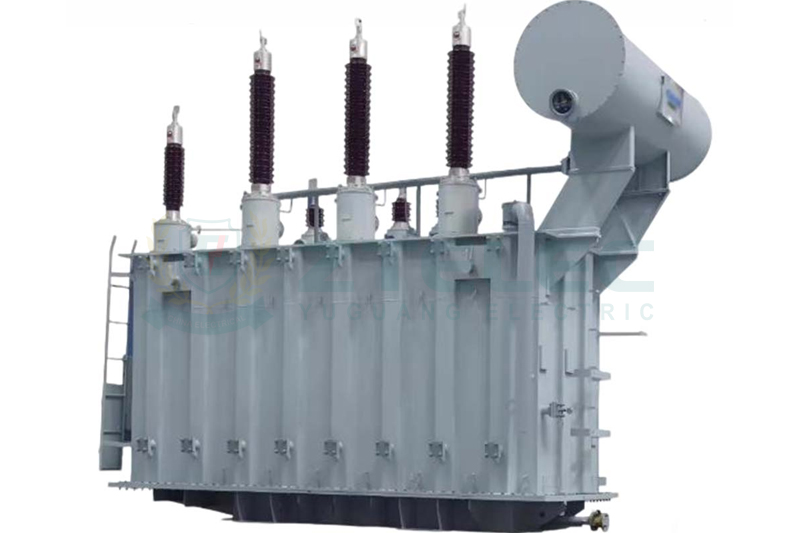
Most 110kV oil-immersed transformers adopt a proven oil-paper composite insulation structure composed of transformer oil and electrical insulating paper or paperboard. This insulation system offers high dielectric strength capable of supporting long-term operation at the 110kV voltage level while maintaining excellent electrical stability.
The oil-paper insulation structure provides strong self-healing characteristics, which help restore dielectric performance after minor electrical stresses and significantly improve operational reliability. In addition, its high compatibility with winding structures effectively reduces the risk of partial discharge and localized insulation failure.
Key insulation materials commonly used in 110kV transformers include high-strength electrical insulating paper, high-density laminated insulating paperboard, and high-quality insulating oil such as refined mineral oil or environmentally friendly ester oil. A well-designed insulation system can suppress electric field concentration, slow insulation aging, and greatly extend transformer service life.
Cooling Systems for 110kV Oil-Immersed Power Transformers
Efficient thermal management is essential for ensuring stable transformer operation. Depending on capacity, load characteristics, and installation environment, 110kV oil-immersed transformers utilize different cooling configurations. Oil-immersed self-cooling systems based on natural oil circulation and air convection are typically applied in smaller-capacity units. For medium-capacity transformers, forced air cooling significantly enhances heat dissipation, increasing cooling performance by approximately 30 to 40 percent.
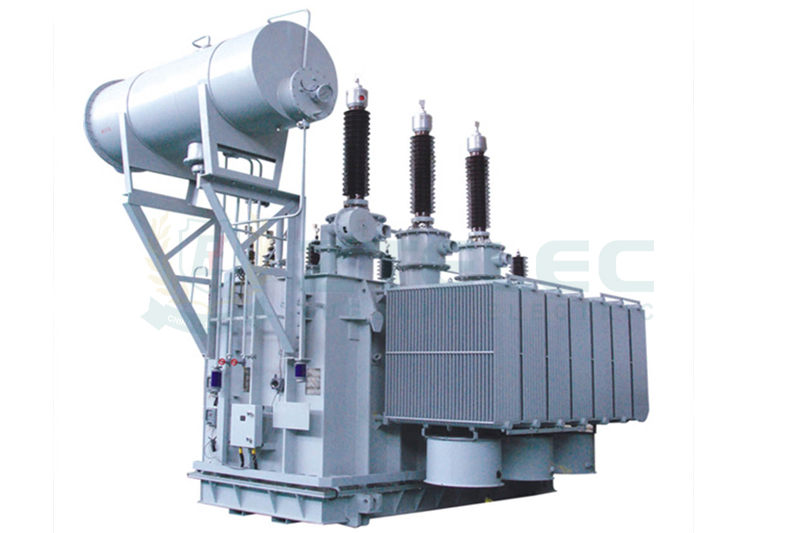
Large-capacity 110kV transformers often employ forced oil circulation combined with air cooling, using oil pumps and cooling fans to maintain optimal operating temperatures under heavy load conditions. In special environments or compact substations, forced oil circulation water cooling systems may be applied to achieve higher cooling efficiency within limited space.
Advanced Cooling Technology Innovations
Modern cooling systems incorporate directional oil flow technology, which guides insulating oil directly to winding hot spots and improves local heat removal. Optimized finned radiators designed through computational fluid dynamics analysis enhance heat dissipation efficiency by 15 to 25 percent compared with conventional designs.
Intelligent cooling control systems further improve operational efficiency by automatically adjusting fan operation based on transformer load and temperature. Variable frequency drives enable energy-saving fan operation, while adaptive control strategies consider ambient temperature to optimize overall cooling performance.
Reliability-Oriented Cooling System Design
To ensure continuous operation, cooling systems are designed with redundancy, typically using N+1 configurations for fans and oil pumps. Integrated monitoring functions, including vibration detection, bearing temperature measurement, and oil flow indication, provide real-time feedback on cooling system health. Dust prevention measures and regular maintenance programs further enhance long-term reliability.

Core Material Technology of 110kV Oil-Immersed Power Transformers
Core material selection plays a decisive role in transformer efficiency and noise performance. Modern 110kV oil-immersed transformers widely utilize low-loss, cold-rolled grain-oriented silicon steel sheets. These materials feature high magnetic permeability and low iron loss, effectively reducing no-load losses and improving overall energy efficiency.
Advanced core lamination processes further enhance performance. Techniques such as multi-step lamination and 45-degree mitered or skewed joints reduce magnetic flux distortion and mechanical vibration. As a result, transformer operating noise is significantly lowered, improving both operational stability and environmental compatibility.
Selection and Maintenance Considerations
Transformer selection should be aligned with specific application scenarios. Urban substations often prioritize low-noise designs and intelligent cooling systems. Industrial users typically focus on overload capability and cooling system robustness, while renewable energy grid access points require transformers capable of handling frequent and large load fluctuations.
Balancing energy efficiency and economic performance requires a comprehensive evaluation of initial procurement costs, operational losses, and long-term maintenance expenses. Transformers should meet or exceed relevant international standards, such as IEC 60076, and be selected based on actual load profiles to achieve optimal lifecycle value.
Maintenance strategies are increasingly data-driven, relying on online monitoring systems to guide decision-making. Regular assessment of insulation paper aging, preventive replacement of cooling components, and intelligent oil condition monitoring and regeneration technologies all contribute to improved transformer availability and extended service life.
The technological development of 110kV oil-immersed power transformers continues to move toward higher efficiency, intelligent control, and environmental sustainability. Reliable insulation system design, advanced cooling optimization, and continuous innovation in core materials and structural technology jointly drive progress in transformer performance. By fully considering these technical characteristics during equipment selection and operation, power utilities can achieve safe, economical, and highly reliable power supply systems.