11kV to 415V Transformer Price: What Affects Cost and How to Get the Best Quote
Time:2026-09-28 Auther:ZTelec-www.ztelectransformer.com
The 11kV to 415V transformer is one of the most widely purchased pieces of electrical equipment in the world. It steps medium voltage from the utility network down to the low voltage used in factories, buildings, shopping centers, hospitals and residential estates.
Yet asking “how much does it cost?” rarely gives a simple answer. Prices vary widely between suppliers, and two quotations for the same kVA rating can differ by a large margin. This guide explains what drives the price, what to specify and how to obtain quotes you can compare fairly.

Why 11kV to 415V Transformer Prices Vary So Much
An 11kV/415V distribution transformer looks standard from the outside, but the price depends on a long list of design and commercial choices. Rated power, loss level, materials, cooling type, accessories and testing scope all change the final figure.
Market conditions also play a role. Copper, aluminium and electrical steel prices move over time, and freight, currency and factory workload can shift an offer within weeks. This is why most reliable suppliers give quotations with a limited validity period.
The Main Factors That Affect Transformer Cost
1. Rated Capacity in kVA
Capacity is the biggest single driver. Common ratings include 100, 200, 315, 500, 630, 800, 1000, 1250, 1600 and 2000 kVA. Larger units need more core steel, more winding material and more insulation, so the price rises with rating.
However, the cost per kVA usually falls as capacity increases. A 1000 kVA transformer costs more than a 500 kVA unit, but it is rarely twice as much.
2. Raw Materials
Core steel and winding conductors make up the largest share of a transformer’s manufacturing cost. Cold-rolled grain-oriented silicon steel is the standard core material, while amorphous alloy cores cost more but cut no-load loss sharply.
Copper windings cost more than aluminium but offer lower resistance and stronger short-circuit performance. Aluminium units are lighter and cheaper, which suits some markets and budgets.
3. Type: Oil-Immersed or Dry Type
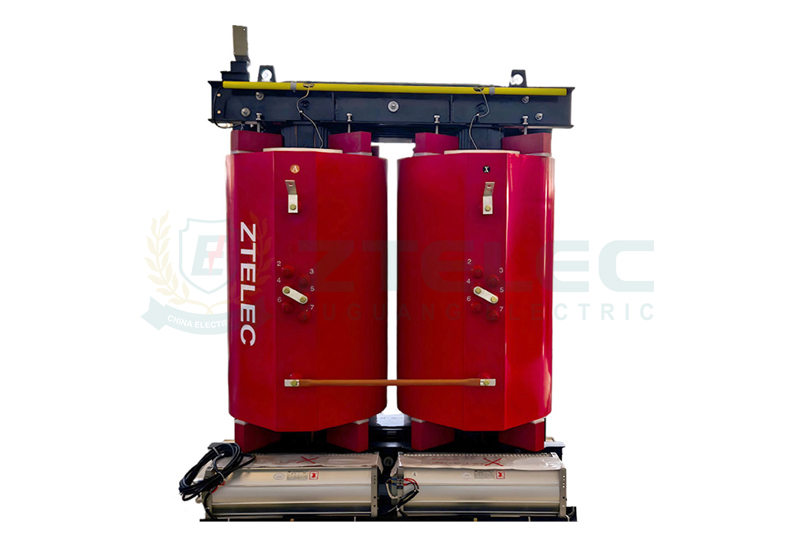
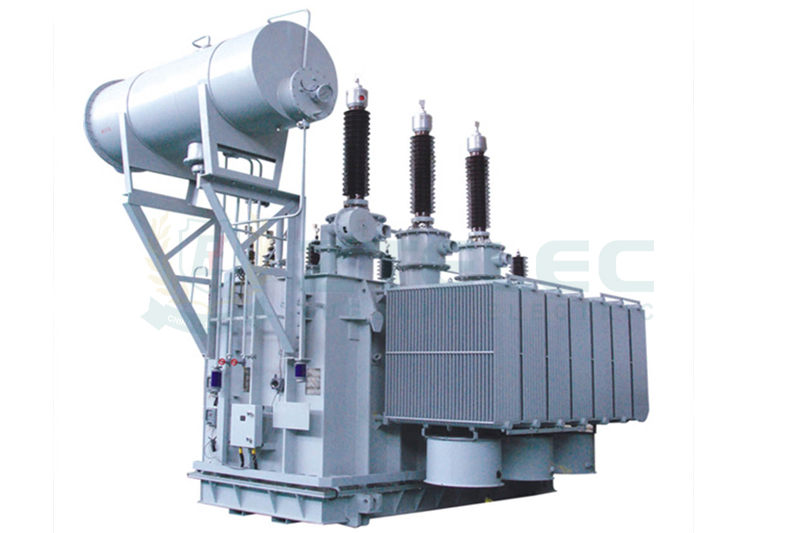
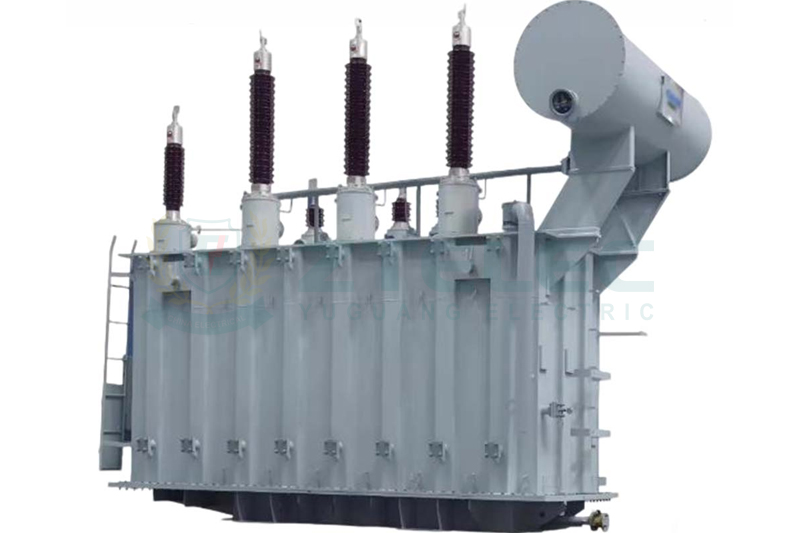
Oil-immersed transformers are the usual low-cost choice for outdoor substations. Dry type and cast resin transformers cost more upfront but remove oil fire risk, which makes them common in buildings, basements, hospitals and data centers.
Dry type units may also save on civil work, fire protection and oil containment, so the real cost difference at project level can be smaller than the equipment price suggests.
4. Efficiency and Loss Levels
Lower losses require better steel, more conductor material and careful design, so a high-efficiency transformer costs more to buy. Standards such as IEC 60076, EN 50588-1 and regional energy efficiency rules define loss classes that suppliers must meet.
The extra purchase cost is often repaid through electricity savings, especially on transformers that run continuously at moderate to high load.
5. Impedance, Vector Group and Tapping Range
Typical distribution transformers use a Dyn11 vector group, 4 to 6 percent impedance and off-circuit tap changers with plus or minus 2.5 or 5 percent steps. Special requirements, such as higher impedance to limit fault current or on-load tap changers, increase both design effort and price.
6. Cooling Method and Temperature Rise
Most oil-immersed units use natural cooling, often written as ONAN. Adding fans, special radiators or a lower temperature rise raises cost. In hot climates or at high altitude, the transformer may need derating or a larger design, which also affects price.
7. Accessories and Protection Devices
A basic transformer includes bushings, a tap changer, an oil level gauge and a thermometer. Options such as a Buchholz relay, pressure relief device, winding temperature indicator, cable boxes, surge arresters and a conservator all add cost.
Dry type units may include temperature controllers, cooling fans and IP-rated enclosures. Always confirm which accessories are included in each quotation.
8. Standards, Testing and Inspection
Routine tests are normally part of the price. Extra items such as type tests, temperature rise tests, impulse tests, short-circuit tests or third-party witness inspection can add cost and lead time.
Different markets also use different standards, including IEC, ANSI/IEEE and national specifications, and design changes needed to meet them affect the price.
9. Logistics and Commercial Terms
Ex-works, FOB, CIF and delivered prices are not the same thing. Weight, oil filling method, packing, container type and destination all influence freight. Import duties, taxes, insurance and payment terms should be included when comparing total landed cost.
Oil-Immersed vs Dry Type: A Quick Cost View
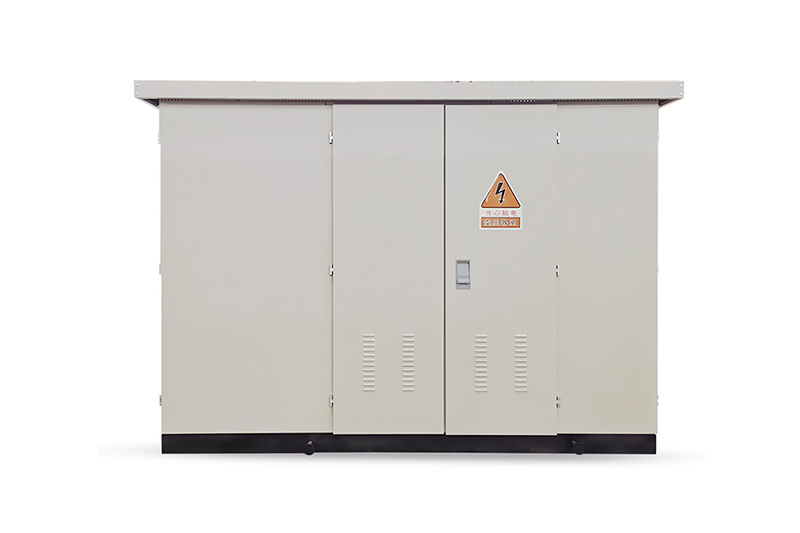
For an outdoor pad-mounted or pole-mounted application with adequate space, oil-immersed transformers are typically the more economical purchase. They also offer good overload capacity and long service life.
For indoor installations, high-rise buildings or sites with strict fire regulations, dry type transformers often make more sense despite a higher unit price. The decision should balance purchase cost, installation cost, safety and maintenance over the full life of the equipment.

Purchase Price vs Total Cost of Ownership
A transformer may operate for 25 years or more, so the cheapest offer is not always the cheapest choice. The total cost of ownership combines the purchase price, the cost of no-load loss, the cost of load loss, maintenance and the installation work.
No-load loss is present all day, every day, as long as the transformer is energized. Load loss rises with the square of the current. A supplier who guarantees loss values and accepts penalties for missing them is offering something more valuable than a low headline price.
To compare offers, multiply the guaranteed losses by your local electricity tariff and expected operating hours, then add the result to the purchase price. Many buyers are surprised to find the lowest bid is not the lowest lifetime cost.
What to Include When Requesting a Quote
The quality of your inquiry decides the quality of the quotation. Incomplete requests lead to assumptions, and assumptions lead to price gaps that are hard to explain later.
Essential Technical Details
State the rated kVA, primary voltage of 11kV, secondary voltage of 415V, frequency, vector group, impedance, tap range and insulation level. Specify oil-immersed or dry type, indoor or outdoor use and the required standard.
Site Conditions
Provide the ambient temperature range, altitude, humidity and pollution level. Note any space limits, noise limits or special enclosure requirements.
Loss and Efficiency Requirements
Give maximum no-load and load loss values or the efficiency class you need. If you want suppliers to propose their own guaranteed losses, ask them to state them clearly so they can be evaluated.
Accessories and Documentation
List protection devices, terminal types, marshalling boxes, nameplate language and test reports needed. Mention whether type test certificates are required.
Commercial Requirements
Specify quantity, delivery location, preferred Incoterm, delivery date, payment terms and warranty period. This lets suppliers quote a complete offer rather than a partial one.
How to Compare Quotations Fairly
Line up each offer against the same specification. Check the material of the windings, the core steel grade, the guaranteed losses, the included accessories and the testing scope.
Look at the commercial side too. Note the price basis, validity period, lead time, warranty and payment schedule. A price that looks lower may exclude items that another supplier has included.
Ask questions about anything unclear. A transparent supplier will explain differences, while a vague reply is a reason for caution.
Practical Tips to Get the Best Quote
Standardize Where You Can
Standard ratings and common configurations are cheaper and faster to build than custom designs. If your project can accept a standard catalog transformer, you will usually get a better price and a shorter lead time.
Order in Volume
If you need several transformers, combine them into one inquiry or a framework agreement. Suppliers can plan materials and production more efficiently and often reward volume with better pricing.
Allow Realistic Lead Time
Urgent orders tend to carry a premium. Giving the manufacturer enough time to schedule production, purchase materials and complete testing can lower the price.
Balance Price and Reliability
Do not push a supplier so hard on price that quality suffers. Verify the factory, request references and review test reports. A reliable transformer that runs for decades is worth more than a small saving at purchase.
Watch Raw Material Timing
Because copper and steel prices change, ask how long the quotation is valid and whether the price is fixed or linked to material indexes. Ordering when prices are stable can protect your budget.
Checking Supplier Reliability Before You Order
A good quotation is only useful if the supplier can deliver the product described. Ask for the factory location, production capacity, ISO certificates and type test reports from an accredited laboratory.
Request a reference list of similar projects and, if possible, arrange a factory visit or an independent inspection. Confirm that every transformer ships with its own routine test report, showing measured losses, ratio, impedance and insulation test results.
Common Mistakes Buyers Should Avoid
The first mistake is choosing on price alone without comparing losses and specifications. The second is sending a vague inquiry that leaves key items open. The third is ignoring site conditions such as altitude or high ambient temperature, which can force a costly redesign later.
Another frequent error is forgetting the cost of installation, protection equipment and commissioning. Finally, some buyers accept unrealistically low offers that turn out to use lower-grade materials or skip important tests.
Frequently Asked Questions
Is 415V the same as 400V?
They are closely related. Many systems label the no-load secondary voltage as 415V or 433V, while nominal supply voltage is 400V. Confirm the exact secondary rating your network requires.
Does a higher kVA always mean a proportionally higher price?
No. Larger transformers cost more overall but usually less per kVA, so choosing a slightly larger unit for future growth can be cost effective.
Are amorphous core transformers worth the extra cost?
They can be, particularly when the transformer is lightly loaded most of the time, because no-load loss becomes the dominant energy cost. A total cost of ownership calculation will show the payback.
How long does delivery usually take?
Standard units may ship within weeks, while special designs, large ratings or extra testing take longer. Always confirm the production and shipping schedule in writing.
The price of an 11kV to 415V transformer is shaped by capacity, materials, type, efficiency, accessories, testing and commercial terms. Understanding each factor helps you specify exactly what you need and avoid paying for features you do not.
Send a complete inquiry, compare offers on the same basis, and evaluate total cost of ownership rather than only the purchase price. Do this, and you will secure a quotation that delivers real value and dependable service for decades.