Dry Type Transformer Installation Requirements and Checklist (Indoor vs Outdoor)
Time:2026-09-23 Auther:ZTelec-www.ztelectransformer.com
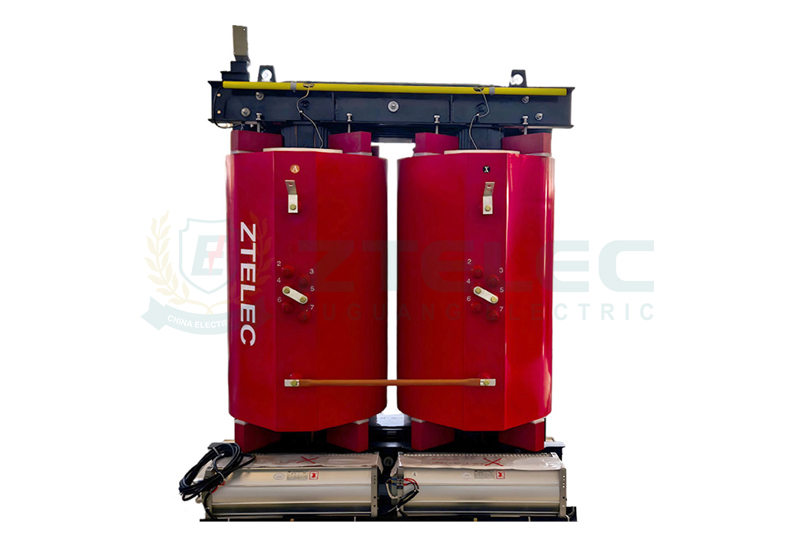
Dry type transformers are widely used in commercial buildings, hospitals, data centers, and industrial plants. They avoid the fire and environmental risks of liquid-filled units. But choosing the right transformer is only half the job.
Correct installation matters just as much. A well-designed dry type transformer can still suffer premature aging, overheating, or nuisance tripping if it is installed incorrectly. This article covers the key installation requirements, compares indoor and outdoor practices, and ends with a practical checklist.

Why Installation Requirements Matter
Dry type transformers rely entirely on air for cooling and insulation. This means the surrounding environment directly affects thermal performance and service life.
Poor ventilation, dust, high ambient temperature, or tight clearance can all reduce loading capacity. In some cases this forces operators to derate the unit below its nameplate rating.
Installation quality also affects safety. Dry type transformers are safer than oil-filled units, but they still carry high voltage. Proper access control, grounding, and enclosure protection remain essential.
General Installation Requirements
Foundation and Positioning
The foundation or mounting platform must be level, stable, and rated for the transformer’s full weight, including cable or bus duct loads. The unit should be positioned so all sides stay accessible for inspection and future component replacement, such as fans or temperature sensors.
Clearance
Adequate clearance is required between the transformer and any combustible materials, walls, or adjacent equipment. Always follow the manufacturer’s documentation together with local electrical codes.
Grounding
The transformer frame, enclosure, and neutral point (where applicable) must be properly grounded. Improper grounding is one of the most common causes of installation-related failures, so this step should never be an afterthought.
Pre-Commissioning Checks
Before energization, the transformer should go through insulation resistance testing, tap changer verification, torque-checking of electrical connections, and a visual inspection for shipping damage or foreign objects.
Indoor Installation Requirements
Indoor dry type transformers are usually installed in dedicated electrical rooms, in-building substations, or enclosed switchgear areas. Because the surrounding structure limits airflow, ventilation design becomes critical.
Ventilation
The room must be sized so intake and exhaust openings allow enough airflow to remove heat. Louvered openings near the floor bring in cool air, while openings near the ceiling release hot air through natural convection. Larger transformers, or rooms with limited airflow paths, may need mechanical ventilation with exhaust fans.
Fire Safety
Dry type transformers carry a high fire safety rating compared to oil-filled units. Even so, local codes may still require fire-rated barriers, detection systems, or specific separation distances inside occupied buildings. Confirm these requirements with the local authority before finalizing the room layout.
Noise Control
Transformers produce audible hum during operation. If the room is near offices or meeting rooms, acoustic insulation or greater separation distance may be needed to meet noise limits.
Access Clearance
Local electrical codes typically define minimum working space in front of the transformer, plus clearance above it for cable entry, bus duct connection, or crane access during installation and future replacement.

Outdoor Installation Requirements
Weather Protection
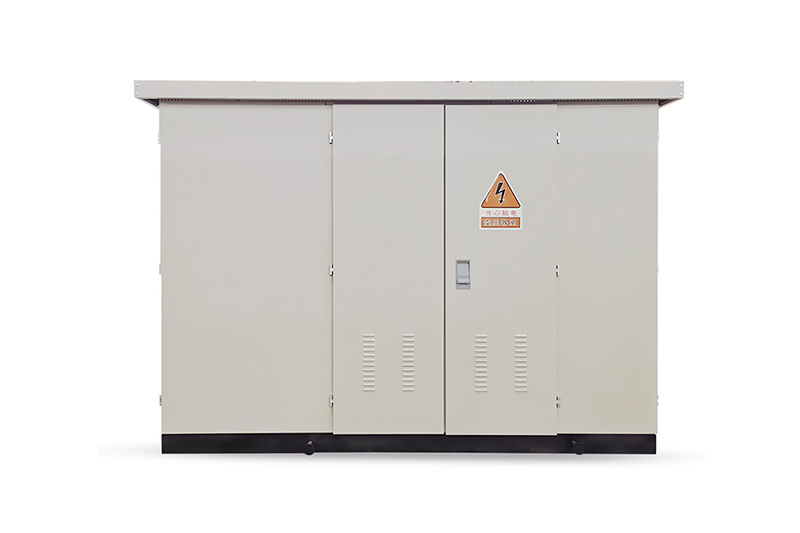
Outdoor transformers need protection from rain, snow, sun, and dust. This is achieved through an appropriate enclosure protection rating, commonly IP23 or higher, with stronger ratings used in harsher environments.
Foundation and Drainage
A concrete pad raised above grade level prevents water from pooling around the base. Proper site drainage directs rainwater away from the unit. In coastal or polluted areas, protective coatings help prevent corrosion.
Sun Exposure
Direct sunlight can raise internal operating temperature significantly. Many projects add a sunshade or canopy, especially in hot climates. Some manufacturers also offer transformers with enhanced thermal design for tropical outdoor use.
Security
Outdoor transformers are more exposed to the public. A fenced enclosure with lockable access, warning signage, and adequate lighting is generally required. Bollards or barriers help prevent accidental vehicle impact near roadways.
Indoor vs Outdoor: Key Differences
Core electrical requirements such as grounding, clearance, and pre-commissioning testing stay the same regardless of location. The real differences lie in environmental protection and space planning.
Indoor installations focus on ventilation design, fire separation, and noise control within a defined room. Outdoor installations focus on weatherproofing, enclosure rating, drainage, and security. Ambient temperature also behaves differently: indoor rooms risk heat buildup if ventilation is weak, while outdoor units face direct seasonal swings and solar loading.
Cost often drives the decision. Indoor rooms require walls, ventilation openings, and sometimes fire protection systems. Outdoor sites save on construction but need a higher enclosure rating and added security measures. Engineers typically decide early, based on space, climate, budget, and code requirements.
Dry Type Transformer Installation Checklist
The steps below summarize the key checks for a dry type transformer installation project, with minor adjustments depending on indoor or outdoor placement.
1. Foundation: Confirm the pad or platform is level, properly sized, and rated for the transformer’s total weight.
2. Clearance: Verify distances from walls, combustible materials, and adjacent equipment meet manufacturer and code requirements.
3. Ventilation: Check that openings, fans, or airflow paths are sized correctly for the transformer’s kVA rating and expected ambient temperature.
4. Enclosure rating: Confirm the protection rating matches the environment, especially for outdoor or dusty sites.
5. Physical inspection: Check for shipping damage, loose connections, or foreign objects before energization.
6. Grounding: Verify the frame, enclosure, and neutral point are grounded according to the electrical design.
7. Terminations: Torque-check all busbar and cable connections to the manufacturer’s specified values.
8. Tap changer: Confirm settings match the intended voltage configuration.
9. Insulation testing: Perform insulation resistance testing and record baseline values for future maintenance.
10. Fire protection: Verify barriers or detection systems are in place for indoor rooms where required.
11. Drainage: Check that outdoor sites have adequate drainage and a base raised above grade.
12. Security: Confirm fencing, signage, and lighting are complete for outdoor installations.
13. Noise levels: Review sound levels against nearby occupied spaces and add acoustic treatment if needed.
14. Final inspection: Complete a visual and functional check before handover to the operations team.
Dry type transformers offer strong safety and environmental advantages, but correct installation is what makes those advantages real. Indoor projects demand close attention to ventilation, fire safety, and noise. Outdoor projects demand strong weatherproofing, drainage, and security.
By following manufacturer guidance, local electrical codes, and a structured checklist, engineers and facility managers can keep a dry type transformer running safely and reliably for decades. Planning these requirements early in the design phase remains the best way to avoid costly rework later.