1250kVA Epoxy Resin Cast Dry-Type Transformer Price Guide
Time:2026-11-18 Auther:ZTelec-www.ztelectransformer.com
A 1250kVA epoxy resin cast dry-type transformer is one of the most popular choices for commercial buildings, factories, data centers and infrastructure projects. It offers a strong balance of capacity, safety and low maintenance.
Price is usually the first question buyers ask. The answer depends on several technical and commercial factors. This guide explains typical price ranges, what drives the cost, and how to get a reliable quotation.
Along the way, you will also see how dry-type transformers and cast-resin transformers compare with other options, so you can judge value and not just the sticker price.

What Is a 1250kVA Epoxy Resin Cast Dry-Type Transformer?
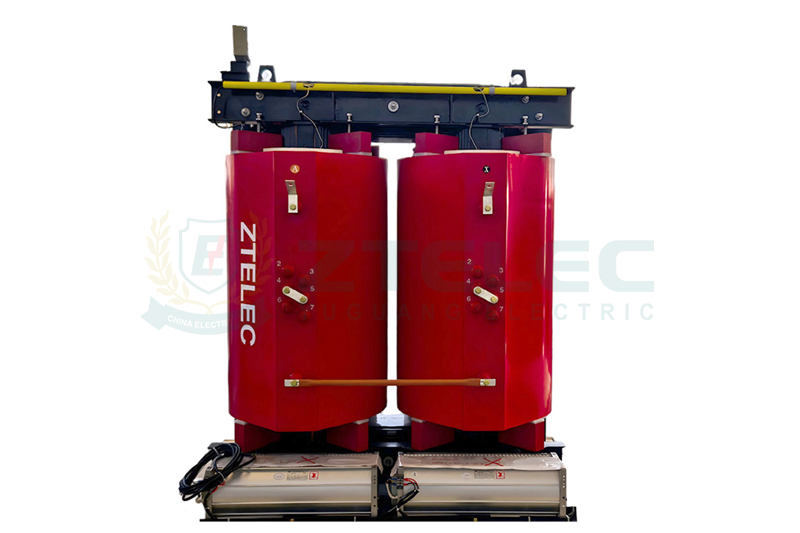
This transformer uses high-voltage and low-voltage windings that are cast or encapsulated in epoxy resin under vacuum. The resin forms a solid, void-free insulation layer around the coils. It protects them from moisture, dust and chemical contamination.
Unlike oil-immersed units, cast-resin transformers use no insulating oil. There is no oil leakage risk, no need for an oil containment pit and a much lower fire hazard. That is why they are widely accepted for indoor installations.
A 1250kVA rating suits a medium-to-large load. It is common for primary voltages from 6kV to 35kV and secondary voltages such as 400V, 415V or 690V. Many buyers specify models in the SCB10, SCB11, SCB13 or SCB14 series, where a higher number generally means lower losses.
Typical Price Range of a 1250kVA Cast Resin Dry-Type Transformer
Prices change with copper cost, region and specification. As a rough market guide, a standard 1250kVA epoxy resin cast dry-type transformer from a Chinese manufacturer often falls between about US$9,000 and US$18,000 ex-works.
Units from established European, Japanese or North American brands can cost significantly more. Quotations of US$20,000 to US$35,000 or higher are not unusual when local certification, service and stricter efficiency levels are included.
Treat these figures as indicative only. Always request a formal written quotation based on your exact datasheet, because a small change in specification can shift the price noticeably.
Key Factors That Affect the Price
Understanding the cost drivers helps you compare quotes fairly. Two offers for the same kVA rating can differ by thousands of dollars for good reasons.
Winding Material: Copper vs Aluminum
Copper windings cost more than aluminum but give lower losses, better short-circuit strength and a more compact design. Aluminum windings reduce the purchase price, but they usually mean higher load losses and a larger footprint.
For a 1250kVA unit running many hours a year, copper often pays back through energy savings. The decision should be based on total cost of ownership, not only the initial price.
Core Material and Loss Level
The core is made of cold-rolled grain-oriented silicon steel. Higher grades of steel reduce no-load loss but raise the price. Amorphous alloy cores cut no-load loss even further, although they carry a premium.
Efficiency levels such as SCB11, SCB13 and SCB14 reflect different loss limits. A lower-loss transformer costs more up front, yet it can save a large amount of electricity over 20 years or more.
Voltage Class and Insulation Level
A 10kV unit is cheaper than a 35kV unit of the same kVA. Higher voltage needs greater clearances, more insulation and a larger coil design. Special tap ranges or dual-voltage windings also add cost.
Insulation Class and Temperature Rise
Most dry-type transformers use Class F (155°C) insulation with a temperature rise designed for Class F or Class B limits. Class H designs withstand higher temperatures but may increase material cost.
Enclosure and Protection Rating
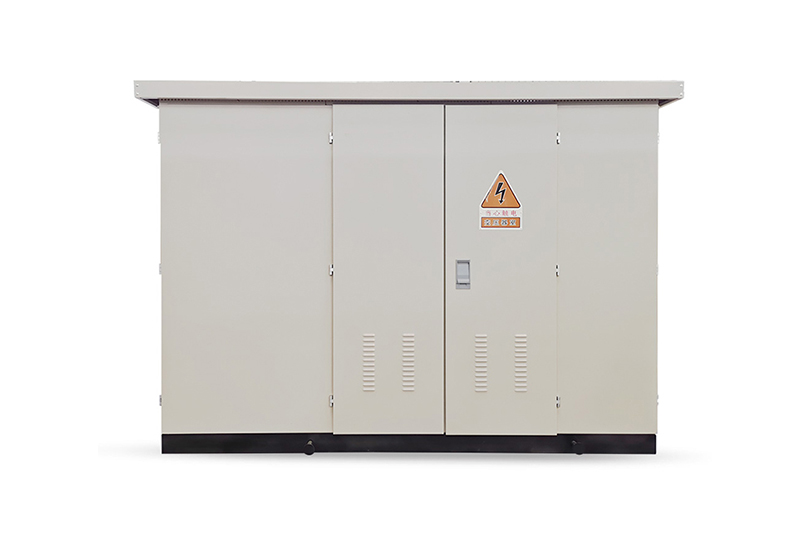
A bare transformer with no enclosure is the cheapest option. Adding a steel enclosure with IP20, IP21 or IP23 protection raises the price. Stainless steel or special coatings for corrosive or humid sites cost even more.
Cooling Fans and Temperature Controller
Forced-air cooling fans allow the transformer to carry about 30% to 40% more load for short periods. A digital temperature controller with alarm and trip signals is standard on most units, and PT100 sensors may be added for remote monitoring.
Brand, Certification and Testing
Certified products meeting IEC 60076-11, GB/T 10228 or local standards cost more than uncertified ones. Third-party witnessed tests, type test reports and extra routine tests also increase the price, but they reduce your project risk.
Order Quantity, Packing and Shipping
Buying several units at once usually lowers the unit price. Export packing, container loading and freight to your port add to the delivered cost. Compare quotes on the same Incoterms, such as FOB, CIF or DAP.

Typical Technical Specifications
The table below shows common parameters for a 1250kVA cast-resin unit. Actual values vary by design and standard.
| Parameter | Typical Value |
|---|---|
| Rated capacity | 1250kVA |
| Primary voltage | 6kV, 10kV, 11kV, 20kV, 33kV or 35kV |
| Secondary voltage | 0.4kV, 0.415kV or 0.69kV |
| Frequency | 50Hz or 60Hz |
| Vector group | Dyn11 or Yyn0 |
| Impedance | 6% |
| Insulation class | F (155°C) |
| Cooling | AN (natural air) or AF (forced air) |
| Standard | IEC 60076-11, GB/T 10228 |
Cast-Resin Transformers vs Oil-Immersed Transformers: Cost Comparison
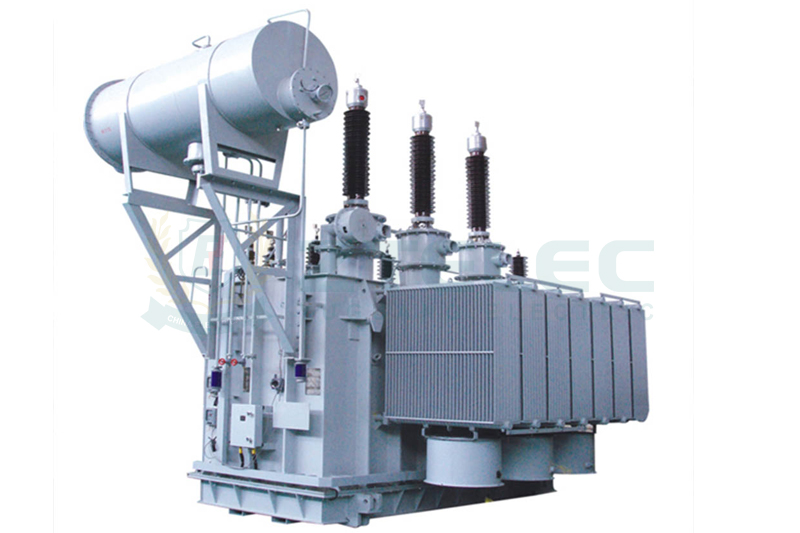
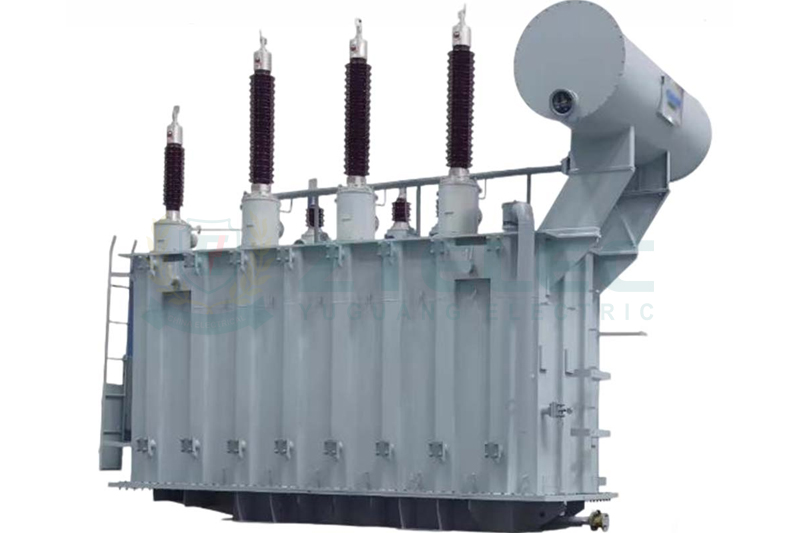
A 1250kVA oil-immersed transformer usually has a lower purchase price than a cast resin dry type transformer of the same rating. The difference can be 15% to 30% depending on the market.
However, the purchase price is only part of the picture. Oil-immersed units may need an oil pit, fire barriers, a separate transformer room and regular oil testing. Those costs can erase much of the initial saving, particularly in buildings.
For indoor, high-rise, underground or public-area projects, cast-resin transformers often give the lower total installed cost. They also help meet fire safety codes more easily.
Lifecycle Cost: Why the Cheapest Quote Is Not Always the Best
Energy loss is the largest hidden cost of any transformer. A 1250kVA unit with lower no-load and load losses can save thousands of dollars per year in electricity, especially when it runs continuously.
Consider a simple example. If a higher-efficiency model saves 1.5kW of average loss compared with a cheaper model, it saves roughly 13,000kWh each year. At typical commercial tariffs, that adds up fast.
Maintenance is another advantage. Dry-type transformers need little more than periodic cleaning, tightening of connections and inspection of the temperature controller. There is no oil to sample, filter or replace.
Where 1250kVA Cast Resin Transformers Are Used
These transformers are chosen wherever safety, reliability and compact size matter. Common applications include:
Commercial buildings such as shopping malls, hotels, hospitals and office towers, where fire safety is critical.
Industrial plants and factories that need dependable power for motors, production lines and automation systems.
Data centers and telecom facilities, which demand high reliability and low maintenance downtime.
Infrastructure such as metro systems, airports, tunnels and ports, where space is limited and safety rules are strict.
Renewable energy projects, including solar and wind plants, where humid or dusty conditions favor sealed cast-resin insulation.
How to Get an Accurate Quotation
The more detail you share, the more accurate your price will be. A clear request also saves time and avoids misunderstandings later.
Provide the rated capacity, primary and secondary voltage, frequency, vector group, impedance, tap range and insulation class. State whether you need an enclosure, its IP rating, cooling fans and any monitoring accessories.
Specify the standard you require, the loss level or efficiency class, the installation altitude and the ambient temperature. Mention the destination port, delivery time and payment terms as well.
Tips for Buying with Confidence
Ask for type test reports from an accredited laboratory, especially short-circuit, temperature rise and partial discharge results. These show whether the design has been proven in practice.
Check the supplier’s production capability. Vacuum casting equipment, curing ovens and in-house testing facilities are strong signs of consistent quality.
Confirm the warranty period, spare part support and after-sales response time. A low price means little if support is hard to reach when you need it.
Request references from projects similar to yours, and consider a factory audit or witnessed test before shipment for large orders.
Common Mistakes to Avoid
Comparing quotes with different loss levels is the most common error. A cheaper offer may simply use a lower efficiency design.
Another mistake is ignoring site conditions. High altitude, high humidity, heavy dust or high ambient temperature may require derating or a special enclosure, which changes the price.
Finally, do not overlook accessories and shipping terms. Items such as cable boxes, fans, anti-vibration pads and export packing can be excluded from a headline price.
Frequently Asked Questions
How much does a 1250kVA cast resin transformer cost?
A typical 1250kVA epoxy resin cast dry-type transformer from China costs roughly US$9,000 to US$18,000 ex-works. Premium international brands can cost considerably more. Final pricing depends on specification and market conditions.
Is a cast-resin transformer more expensive than an oil-immersed one?
Usually yes, by about 15% to 30% at purchase. But lower installation, safety and maintenance costs often make dry-type transformers the better value for indoor projects.
How long does a 1250kVA dry-type transformer last?
With proper installation and operation, a well-made cast-resin unit can serve for 25 to 30 years or longer. Keeping it clean, dry and within its rated load extends its life.
Can a 1250kVA transformer be overloaded?
With forced-air cooling, it can carry a higher load for limited periods. Continuous overload shortens insulation life, so size the transformer for realistic peak demand.
What affects the lead time?
Lead time depends on the factory’s schedule, special design requirements and testing needs. Standard units are often delivered within a few weeks, while customized orders take longer.
The price of a 1250kVA epoxy resin cast dry-type transformer is shaped by winding material, loss level, voltage class, enclosure, certification and shipping terms. Looking at lifecycle cost, not just the purchase price, leads to better decisions.
For safe, low-maintenance and fire-resistant power distribution, dry-type transformers and cast-resin transformers remain an excellent investment. Share your detailed requirements with a qualified manufacturer to receive an accurate, competitive quotation.