Middle East Transformer Requirements: 33 kV, 60 Hz & SASO
Time:2026-11-14 Auther:ZTelec-www.ztelectransformer.com
The Middle East is one of the busiest markets for power equipment. Grid expansion, new cities, solar farms and industrial zones all need reliable transformers.
But the region is not one market. Voltage levels, frequency, certification and climate conditions change from country to country.
This guide explains the three topics buyers ask about most: 33 kV design, 60 Hz operation and SASO compliance. It also covers the hot-climate details that decide whether a transformer lasts 25 years or fails in five.

Understanding the Middle East Market
Why Requirements Vary by Country
Most Gulf countries run 50 Hz networks. Saudi Arabia is the major exception, with a 60 Hz system.
Each utility also publishes its own technical specification. Examples include Saudi Electricity Company (SEC), DEWA in Dubai, KAHRAMAA in Qatar and OETC in Oman.
Typical Distribution Voltages
Medium voltage levels commonly seen in the region include 11 kV, 13.8 kV, 22 kV and 33 kV. The exact level depends on the utility and the project type.
Always confirm the nominal voltage, the highest system voltage and the neutral earthing method with the end user. Do not assume them from the country name.
Main Product Types in Demand
Utilities and developers mainly buy the following products:
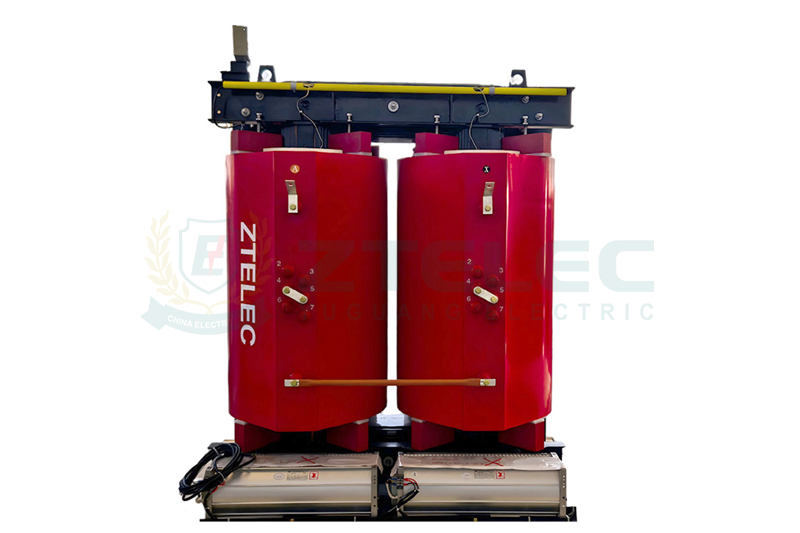
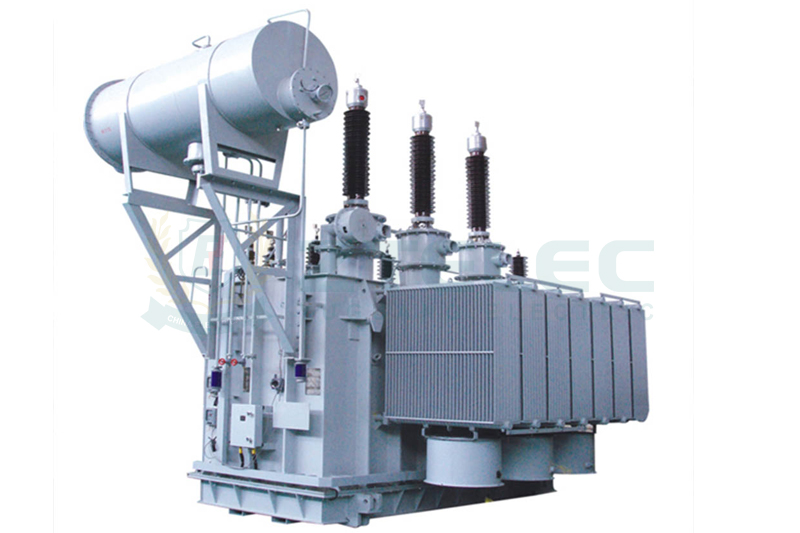
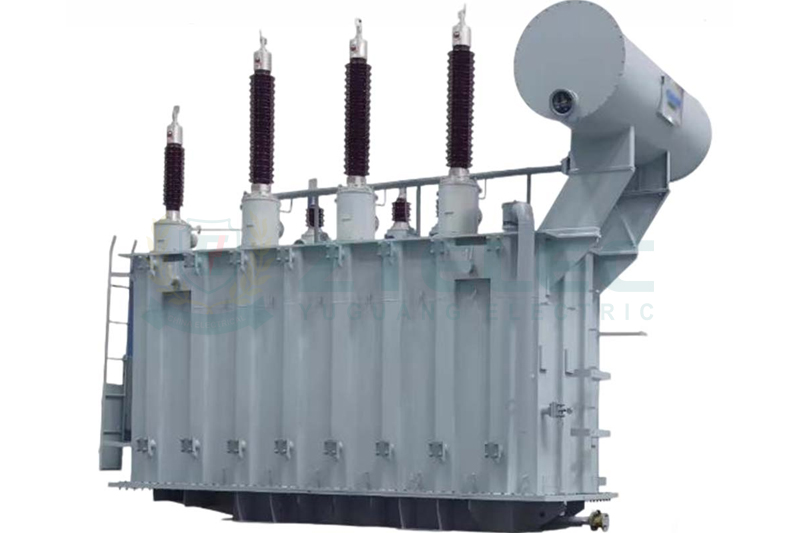
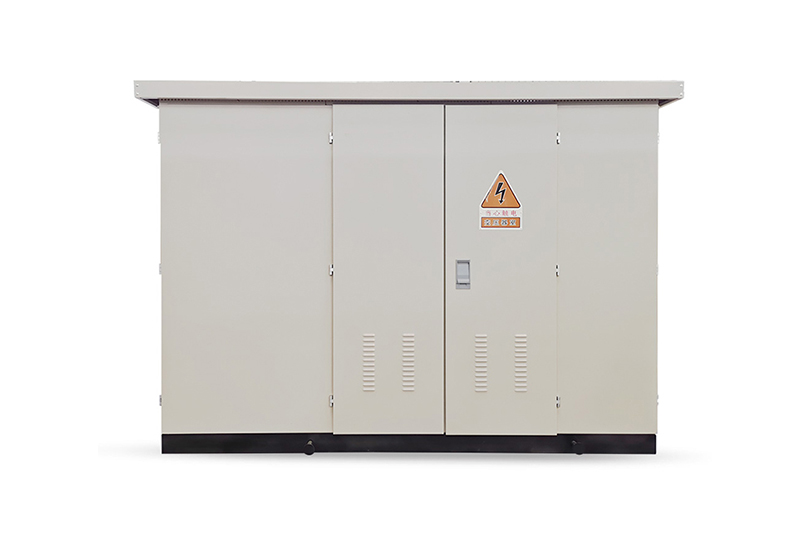
Oil-immersed distribution transformers for networks and substations. Pad-mounted transformers for residential and commercial areas. Compact substations for fast installation. Cast resin and dry type transformers for buildings, airports and metro systems.
33 kV Transformer Requirements
Why 33 kV Is So Common
A 33 kV transformer is widely used for primary distribution, industrial plants, solar farm collection and utility substations.
Higher voltage means lower current for the same power. This reduces cable cost and line losses over long distances.
Insulation Levels
Under IEC 60076-3, a 33 kV system belongs to the 36 kV highest-voltage class. The usual test levels are:
70 kV power-frequency withstand voltage, and 145 kV or 170 kV lightning impulse withstand voltage.
Many Middle East projects choose the higher impulse level because of exposed overhead lines and harsh weather.
Typical Ratings and Vector Groups
Common distribution ratings range from 500 kVA to 5000 kVA. Larger power transformer units, such as 10 MVA to 40 MVA, are used in bulk supply substations.
Dyn11 is a popular vector group for 33/0.4 kV units. Some utilities specify other groups, so confirm this in the tender documents.
Tap Changers and Regulation
Most distribution units use an off-circuit tap changer, often with a range of ±2 x 2.5 percent. Large substation units often need an on-load tap changer to keep voltage stable as demand changes.
Choosing Between Oil-Immersed and Dry Type
At 33 kV, an oil-immersed transformer is the standard choice for outdoor use. It offers lower cost, higher overload capacity and better cooling.
A dry type transformer or cast resin transformer at 33 kV is possible, but it costs more and is mainly chosen where fire safety is critical, such as indoor plants, tunnels and some commercial sites.
60 Hz vs 50 Hz Transformer Design
Where 60 Hz Is Required
Saudi Arabia uses a 60 Hz system, so a 60 Hz transformer is required for utility and most industrial projects there.
Other GCC countries mainly use 50 Hz. Some industrial sites and imported equipment may use the other frequency, so always check the site.
How Frequency Changes the Design
Frequency affects core flux, losses, noise and impedance. At 60 Hz, the same core carries less flux, so a designer can use less core steel for the same voltage.
The load loss may rise slightly because eddy currents increase with frequency. The final design must be checked for both loss and temperature rise.
Do Not Swap Frequencies Without Checking
A 50 Hz transformer is not automatically suitable for 60 Hz service, and the reverse is even riskier. A 60 Hz unit used on 50 Hz can saturate its core, overheat and make loud noise.
The nameplate must show the correct frequency. Test reports must be taken at the correct frequency as well.
SASO and SABER Compliance
What SASO Is
SASO is the Saudi Standards, Metrology and Quality Organization. It sets technical regulations and conformity rules for products entering the Saudi market.
What SABER Means for Exporters
SABER is the online platform used to register products and obtain conformity certificates. For regulated products, shipments usually need a valid product certificate and a shipment certificate before customs clearance.
Whether a specific transformer falls under a SASO technical regulation depends on its type, rating and voltage. Confirm the scope with SASO or your local agent before you quote.
Documents Often Requested
Typical documents include test reports to IEC 60076, factory quality certificates, drawings, nameplate details and a conformity certificate issued by an approved body.
Utility projects may also require type test reports from an accredited laboratory, plus factory acceptance testing.
Other GCC Requirements
The Gulf Standardization Organization (GSO) works on regional technical rules, and some markets apply the G-Mark or similar schemes. Check each country before shipping.
Hot Climate and Site Conditions
High Ambient Temperature
Standard IEC designs assume a maximum ambient near 40 °C. Middle East sites can exceed 50 °C in summer, especially for outdoor and rooftop equipment.
State the maximum ambient, the daily average and the annual average. The manufacturer can then reduce temperature rise limits or increase cooling capacity.
Sand, Dust and Humidity
Desert dust can block radiators and cause surface tracking on insulators. Coastal sites add salt fog and high humidity.
Choose a higher creepage distance for bushings and a dust-tight enclosure for dry type units. Corrugated or sealed tanks help limit oil exposure.
Corrosion Protection
For coastal projects, ask for a heavy-duty paint system, hot-dip galvanized parts or stainless steel enclosures where needed. Name the corrosivity class in the specification.
Solar and Direct Sunlight
A sunshield or canopy can lower tank temperature on exposed sites. This also extends insulation life and reduces cooling stress.

Compact Substation and Pad-Mounted Options
Why Packaged Solutions Are Popular
A compact substation combines the transformer, medium voltage switchgear and low voltage panel in one enclosure. It is factory tested and ready to connect.
This shortens installation time and reduces civil work, which suits large housing and solar projects.
Pad-Mounted Transformer Use
A pad-mounted transformer suits residential areas, shopping malls and underground networks. Its locked, tamper-resistant compartments improve public safety.
Enclosure Choices
Enclosures can be steel, stainless steel or fiberglass. In hot or coastal areas, ventilation design and corrosion resistance matter as much as the electrical rating.
Energy Efficiency and Losses
Utilities in the region increasingly evaluate transformers by total cost of ownership, not only purchase price. Guaranteed no-load loss and load loss are often capitalized in the tender.
Low-loss designs use better core steel, such as high-grade silicon steel or amorphous alloy. They cost more at purchase but save money over 20 years, especially in high-load hot climates.
Ask each bidder to state guaranteed losses with tolerance on the same basis.
Fire Safety and Insulating Liquids
Mineral Oil
Mineral oil is the most common liquid in an oil-immersed transformer. It is low cost and easy to source, but its fire point is lower than other options.
Ester and Silicone Fluids
Natural or synthetic ester fluids have a higher fire point and better biodegradability. They suit indoor substations, malls and sites close to people.
When to Choose Dry Type
For airports, hospitals, metro stations and data centers, a cast resin transformer avoids liquid fire risk. Confirm the fire class and the local civil defense rules before you decide.
Testing and Inspection
Routine and Type Tests
Every unit should pass routine tests: ratio, resistance, losses, impedance, applied voltage and induced voltage. Type tests such as temperature rise and lightning impulse are normally required for the design.
Factory Acceptance Testing
Many Middle East buyers send an inspector to witness tests. Agree the test list, the standard and the acceptance limits in the purchase order.
Third-Party Inspection
Independent inspection before shipment reduces disputes and speeds up customs. Keep all reports in a single, well-labeled file.
Choosing a Reliable Supplier
Check Track Record
Ask for reference projects in hot climates and for utility approvals. A supplier that has delivered 33 kV and 60 Hz units before will understand the details.
Check Production Capacity
Confirm core cutting, winding, vacuum drying and test facilities. These decide quality and lead time.
Check After-Sales Support
Ask about warranty terms, spare parts and technical support. A clear warranty protects you if a defect appears after commissioning.
Quick Requirements Table
| Topic | Typical Requirement |
|---|---|
| System voltage | 11 kV, 13.8 kV, 22 kV or 33 kV, utility specific |
| 33 kV insulation | 70 kV AC, 145 or 170 kV lightning impulse |
| Frequency | 60 Hz in Saudi Arabia, mostly 50 Hz elsewhere in the Gulf |
| Standards | IEC 60076 plus utility specification |
| Certification | SASO and SABER for Saudi, local rules elsewhere |
| Ambient design | Up to 50 °C, confirm with end user |
| Protection | Dust, humidity and corrosion resistant design |
How to Write a Clear Specification
Electrical Data
List the rated power, voltage ratio, frequency, vector group, tap range, impedance and guaranteed losses.
Site Data
State the altitude, ambient temperature, humidity, pollution level, installation type and available space.
Compliance and Documents
Name the standards, the test list, the certification required and the documents needed for customs and commissioning.
Delivery and Packing
Define the Incoterm, the port of discharge and the packing method. Sea freight to the Gulf is long and hot, so oil-filled units should be sealed and braced well.
Frequently Asked Questions
Do all Middle East countries use 60 Hz?
No. Saudi Arabia uses 60 Hz, while most other Gulf countries use 50 Hz. Always confirm with the end user.
Is SASO certification required for every transformer?
It depends on the product scope and current regulations. Check with SASO, SABER or your local agent before shipment.
Is a 33 kV transformer better as oil-immersed or dry type?
For most outdoor utility use, oil-immersed is more economical. Choose dry type or cast resin when fire safety is the priority.
The Middle East offers large opportunities for transformer suppliers, but success depends on getting the details right.
Confirm the voltage level, the frequency, the certification path and the site climate before you quote. Then specify the losses, tests and documents in writing.
With a clear specification, an oil-immersed transformer, a cast resin transformer, a pad-mounted transformer or a compact substation can be delivered on time and pass inspection without delays.
Need a 33 kV or 60 Hz transformer for a Middle East project? Send your voltage, capacity, frequency and site conditions to our engineering team for a tailored quotation.