Transformer Buying Guide: Central Asia, CIS, 110/35/10 kV
Time:2026-11-12 Auther:ZTelec-www.ztelectransformer.com
Choosing a 110/35/10 kV power transformer is a major decision for any utility, industrial park or EPC contractor. The unit will sit at the heart of a substation for decades, so an early mistake in specification can cost years of trouble.
This guide is written for buyers in Central Asia and the CIS. It explains the key technical parameters, standards, climate factors and supplier checks that matter most when you order a three-winding oil-immersed power transformer.

What Is a 110/35/10 kV Transformer?
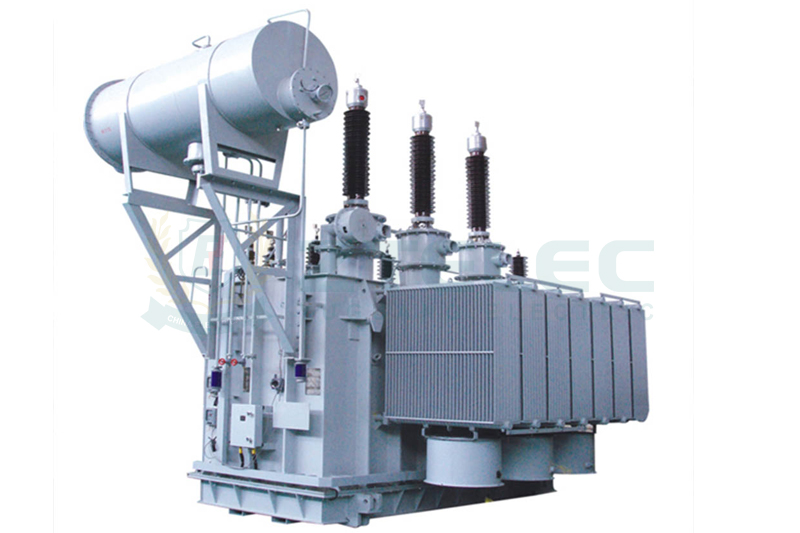
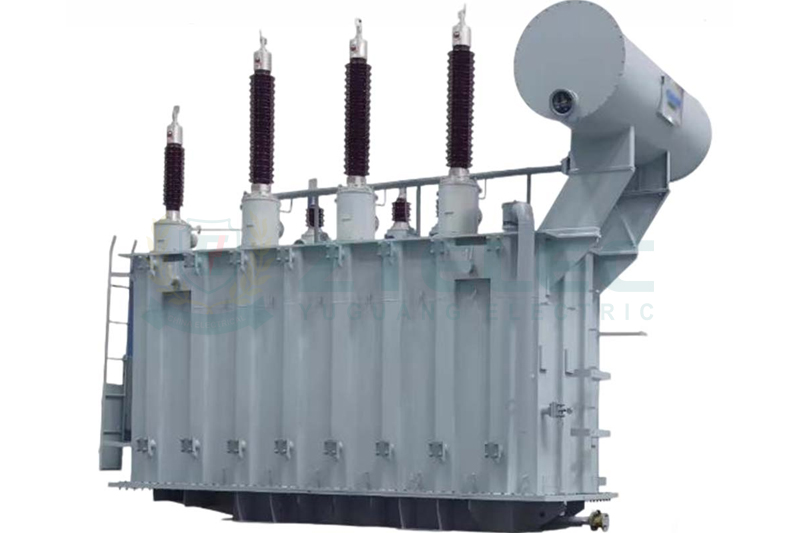
A 110/35/10 kV transformer steps down high-voltage transmission power to two lower voltage levels at the same time. The 110 kV winding connects to the grid, the 35 kV winding feeds sub-regional lines, and the 10 kV winding supplies local distribution.
This three-winding power transformer design is widely used in regional substations across the former Soviet region. One unit replaces two separate transformers, which saves space, cost and complexity.
Market and Grid Context in Central Asia and the CIS
Many substations in Kazakhstan, Uzbekistan, Kyrgyzstan, Tajikistan and neighboring CIS countries were built decades ago. Utilities now face aging equipment, growing industrial demand and new renewable energy connections.
As a result, demand is strong for replacement units, new substation transformers and customized designs that fit existing foundations and protection schemes.
Buyers in this region often need equipment that follows international IEC practice while remaining compatible with local grid habits and legacy GOST-based documentation.
Key Technical Specifications to Define
A clear specification prevents delays, change orders and disputes. Define these points before you request quotations.
Rated Capacity and Voltage Ratio
State the rated power in MVA for each winding, and confirm the voltage ratio including tapping range. Typical regional substations use capacities from around 10 MVA up to several tens of MVA, but your load forecast should decide the final rating.
Allow for future load growth, but avoid heavy oversizing. A transformer that runs very lightly for years wastes money through no-load losses.
Winding Power Distribution
With three windings, you must specify how power is divided between them, for example 100/100/100 or 100/100/66.7 percent. This affects design, cost and short-circuit behavior, so agree on it with the system designer.
Vector Group and Impedance
The vector group determines phase relationships between windings and must match your network and protection design. Impedance voltage between windings affects fault current levels and voltage regulation.
Ask your supplier to confirm both values in writing, and check that they suit the switchgear ratings downstream.
On-Load Tap Changer
An on-load tap changer (OLTC) lets operators adjust voltage without de-energizing the transformer. Regional grids with fluctuating loads usually need it on the 110 kV side.
Specify the tapping range and step size, the control method, and the brand or type of the tap changer. Easy spare-part access matters for long-term maintenance.
Cooling Method
Most units in this class use ONAN or ONAF cooling, meaning natural oil circulation with natural or forced air. Forced cooling raises the rated capacity but adds fans and control components.
Choose the cooling class that fits your peak load pattern and your maintenance capability.
Standards and Certification
Standards define how a transformer is designed, tested and accepted. Make sure your tender documents name them clearly.
IEC 60076
The IEC 60076 series is the international reference for power transformers. It covers ratings, temperature rise, insulation levels, short-circuit withstand and test procedures.
GOST and Local Requirements
Many utilities in the CIS still refer to GOST standards and local technical specifications. Some buyers also require conformity documents under national or Eurasian regulations.
Confirm early which documents your project requires, and whether an IEC-built transformer can be accepted with equivalent test reports. This question is easier to settle before the contract than after shipment.
Climate and Site Conditions
Central Asia and the CIS include some of the most demanding operating environments for transformers. Tell your supplier about every site condition in the inquiry.
Extreme Cold
Winters can be severe. Low ambient temperatures change oil viscosity, stress gaskets and affect tap changers and instruments. Specify the minimum design temperature and ask for low-temperature oil and suitable seals.
Altitude
Mountain regions reduce air density, which weakens external insulation and cooling. Provide the installation altitude so the manufacturer can adjust bushing insulation and temperature rise limits.
Seismic Activity
Several Central Asian regions are seismically active. If your site is in such a zone, request seismic-rated anchoring, bushing support and structural design verified for the expected ground acceleration.
Dust, Wind and Large Temperature Swings
Steppe and desert areas bring dust, strong winds and wide day-night temperature changes. Ask for suitable paint systems, sealed conservators and corrosion protection to extend service life.

Key Buying Parameters at a Glance
| Parameter | What to Confirm |
|---|---|
| Voltage ratio | 110/35/10 kV with tapping range |
| Rated power | MVA per winding and power distribution |
| Vector group | Matches network and protection design |
| Tap changer | OLTC range, steps, control and brand |
| Cooling | ONAN or ONAF as required |
| Standard | IEC 60076 plus any local or GOST needs |
| Site conditions | Minimum temperature, altitude, seismic zone |
| Losses | No-load and load loss guarantees |
Losses and Total Cost of Ownership
Purchase price is only part of the cost. A power transformer runs around the clock for decades, so its losses add up to a large energy bill.
Compare no-load loss and load loss guarantees between suppliers. A slightly higher purchase price for a low-loss design often pays for itself through lower operating costs.
Ask the supplier to state loss values clearly in the offer, along with any penalty terms if factory tests exceed the guaranteed values.
Accessories and Monitoring
The right accessories make a transformer easier and safer to operate.
Typical items include a Buchholz relay, pressure relief device, oil level indicators, winding and oil temperature indicators, and a silica gel breather. Many buyers also add online monitoring for dissolved gas, temperature and tap changer operation.
List every required accessory in the tender. Missing items found at the site cause delays, especially in remote locations.
Factory Testing and Inspection
Insist on a full test program under IEC 60076 before shipment. Routine tests normally cover winding resistance, ratio and vector group, losses, impedance, insulation resistance and dielectric tests.
For large units, consider special tests such as temperature rise or short-circuit capability where project risk justifies the cost.
Offer your own engineers or an independent inspector the chance to witness the tests. Factory acceptance testing (FAT) is the best moment to find and fix problems.
Logistics and Delivery to Landlocked Regions
Central Asia is landlocked, so delivery usually involves long overland routes, customs procedures and heavy-haul transport. Plan transport early, because it can take longer than manufacturing.
Confirm shipping dimensions and weight, and check bridge and road limits along the route. Discuss whether the transformer ships oil-filled or with nitrogen and separate oil, since this affects handling and site commissioning.
Agree on packaging, impact recorders and installation support in the contract so responsibilities are clear.
How to Evaluate a Transformer Supplier
Look beyond the price list. A dependable supplier should show relevant project references, a clear quality system and the engineering ability to handle custom requirements.
Ask for test reports from similar units, a detailed design review process and clear delivery schedules. Check after-sales support, spare part availability and response times.
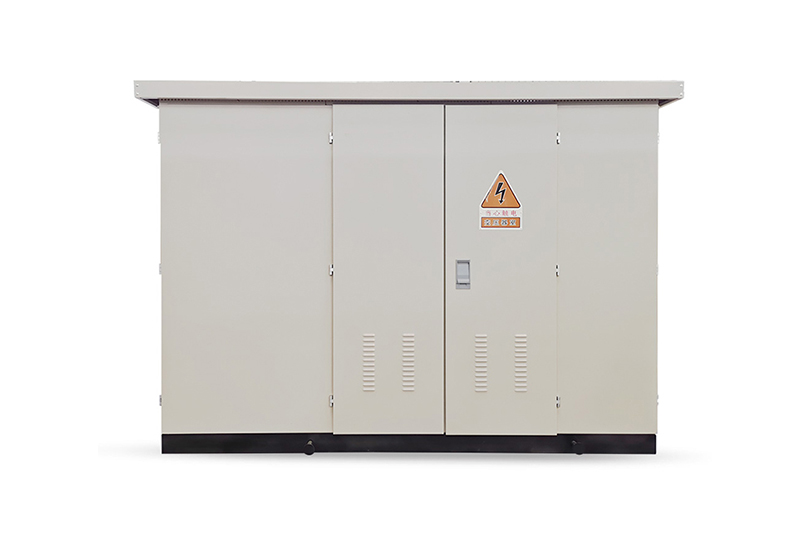
Suppliers that offer complete packages, including compact substations and high-voltage switchgear, can also simplify coordination on larger projects.
Common Mistakes to Avoid
Incomplete specifications. Vague inquiries lead to quotations that cannot be compared fairly.
Ignoring site conditions. Cold, altitude and seismic needs must be defined from the start.
Focusing only on price. Low bids can hide higher losses, weaker materials or limited support.
Leaving logistics for later. Transport limits can force expensive design changes if discovered late.
Frequently Asked Questions
Why use a 110/35/10 kV three-winding transformer?
It supplies two distribution voltage levels from a single unit, which saves space and equipment cost in regional substations.
Do I need an on-load tap changer?
If your network voltage varies or you need regulation without outages, an OLTC is usually the right choice. For stable networks, an off-circuit tap changer may be enough.
Can an IEC transformer be used where GOST is referenced?
It often can, but acceptance depends on your utility and project rules. Clarify the required standards and documents before placing the order.
What information should I send for a quotation?
Send the voltage ratio, MVA ratings, vector group, impedance, tapping range, cooling type, standard, site conditions and delivery location.
How long does delivery take?
Lead time depends on design complexity and factory workload, plus transport time to the site. Ask for a detailed schedule that separates manufacturing, testing and shipping.
Get a Quotation From ZTELEC
ZTELEC is a global manufacturer of IEC-standard power transformers. We supply customized oil-immersed transformers, compact substations and high-voltage switchgear for utility, mining, renewable energy and heavy industrial projects.
Send us your specification or just your project requirements. Our engineers will review your site conditions and prepare a technical proposal and quotation for your 110/35/10 kV transformer.