1500 kVA vs. 2000 kVA Oil-Immersed Transformers: How to Choose the Right Capacity Based on Your Load
Time:2026-07-13 Auther:ZTelec-www.ztelectransformer.com
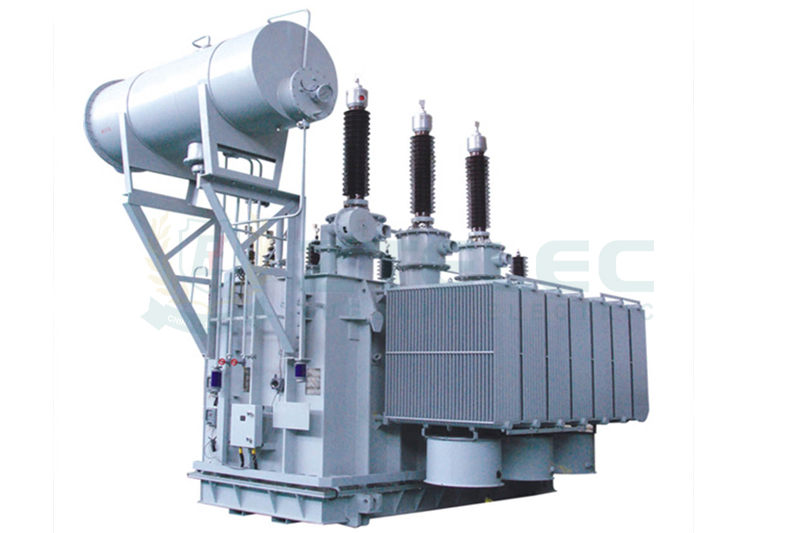
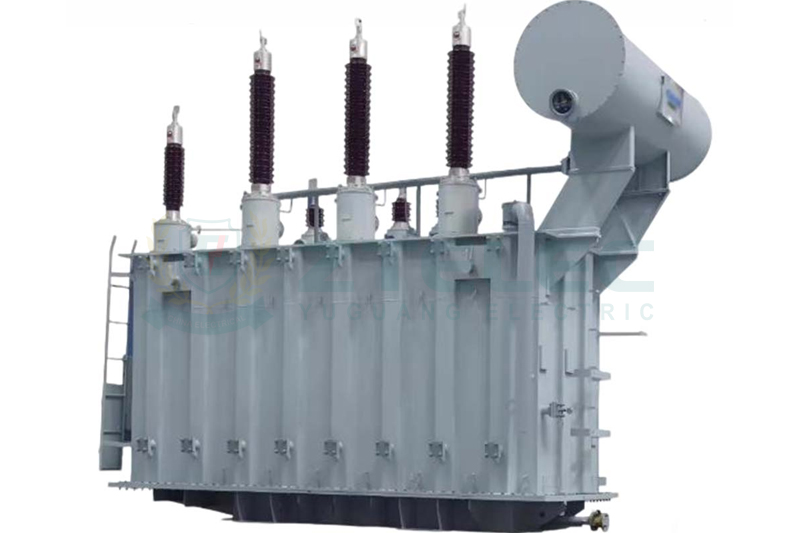
In industrial manufacturing facilities, commercial buildings, data centers, renewable energy plants, and municipal infrastructure projects, selecting the appropriate transformer capacity is critical to ensuring the safety, efficiency, and future scalability of the entire power distribution system. Among medium- and large-capacity distribution transformers, 1500 kVA and 2000 kVA oil-immersed transformers are two of the most commonly specified ratings and are frequently compared during the engineering design and procurement process.
Although the difference between the two models is only 500 kVA, their suitability varies significantly in terms of load requirements, capital investment, operating efficiency, expansion capability, and total lifecycle cost. Selecting a transformer that is too small may result in continuous high-load operation, reducing service life and increasing the risk of failure. Conversely, choosing an oversized transformer can lead to higher upfront investment and unnecessary no-load energy losses throughout its operating life.
This guide examines load calculation methods, typical applications, economic comparisons, and practical selection considerations to help engineers, EPC contractors, and project owners determine whether a 1500 kVA or 2000 kVA oil-immersed transformer is the better choice.

Basic Principles of Transformer Capacity Selection
Transformer sizing is not simply based on the total connected load. It requires a comprehensive evaluation of actual operating demand, future expansion plans, power factor, and operating efficiency to ensure reliable long-term performance.
Calculate the Actual Connected Load
The first step is to prepare a complete load schedule that includes production equipment, HVAC systems, lighting, elevators, fire protection equipment, UPS systems, and other auxiliary electrical loads. Continuous loads, intermittent loads, and standby loads should be evaluated separately.
For industrial facilities, engineers should also consider large motor starting currents, welding equipment, variable frequency drives (VFDs), and other impact loads that may affect transformer performance.
Determine the Maximum Demand Load
Since electrical equipment rarely operates simultaneously at full capacity, engineers typically apply the Demand Factor and Diversity Factor to determine the actual maximum demand.
In general, industrial facilities use demand factors between 0.6 and 0.8, while commercial buildings typically use values between 0.5 and 0.7. The final value should be determined according to the specific project characteristics.
Convert kW to Transformer Capacity
Electrical equipment is usually rated in kilowatts (kW), whereas transformer capacity is expressed in kilovolt-amperes (kVA). Therefore, power factor must be considered when selecting the transformer size.
The commonly used formula is:
Transformer Capacity (kVA) = Actual Load (kW) ÷ Power Factor
Most industrial power systems operate with a power factor between 0.85 and 0.95, which can be further improved through reactive power compensation.
Allow Capacity for Future Expansion
Well-designed electrical systems typically include an additional capacity margin of 15% to 25% to accommodate future production expansion, additional equipment, or seasonal load fluctuations.
Projects such as data centers, renewable energy facilities, and industrial parks often experience rapid load growth, making a larger reserve capacity especially valuable.
Typical Applications for 1500 kVA Oil-Immersed Transformers
A 1500 kVA oil-immersed transformer is well suited for medium-sized distribution systems where balanced investment and operational efficiency are priorities.
Medium-Sized Manufacturing Facilities
Industries such as machinery manufacturing, food processing, textiles, packaging, and electronics assembly generally have stable electrical loads ranging from 1,000 to 1,500 kW. A 1500 kVA transformer can efficiently support these facilities while maintaining excellent operating efficiency.
Commercial Buildings and Office Complexes
Medium-sized shopping centers, office buildings, hotels, and commercial complexes primarily supply HVAC systems, lighting, elevators, and office equipment. Because these loads are relatively stable, a 1500 kVA transformer provides an excellent balance between investment cost and operating performance.
Municipal Infrastructure
Wastewater treatment plants, water pumping stations, municipal lighting systems, and other public utility facilities typically have predictable load characteristics, making a 1500 kVA transformer an ideal solution.
For projects with limited future expansion and restricted installation space, a 1500 kVA transformer often delivers the best return on investment.

When Is a 2000 kVA Oil-Immersed Transformer the Better Choice?
Projects with higher load density, significant future expansion plans, or stringent power reliability requirements generally benefit from a 2000 kVA oil-immersed transformer.
Large Industrial Facilities
Steel mills, mining operations, cement plants, automotive manufacturing facilities, and petrochemical plants operate numerous high-power motors and continuous production equipment. Their large starting currents and fluctuating loads make the additional capacity of a 2000 kVA transformer highly beneficial.
Data Centers and IDC Facilities
The rapid growth of artificial intelligence, cloud computing, and high-density server installations has significantly increased electrical demand in modern data centers.
A 2000 kVA transformer provides sufficient capacity for servers, battery energy storage systems, and cooling equipment while also allowing room for future IT infrastructure expansion.
Hospitals and Large Commercial Complexes
Hospitals, airports, large shopping malls, and mixed-use commercial developments require highly reliable power supplies for diverse electrical loads. A 2000 kVA transformer provides additional operating margin and enhances system reliability.
Renewable Energy Projects
Solar power plants, wind farms, and battery energy storage systems are frequently expanded in phases. Selecting a 2000 kVA transformer from the beginning helps accommodate future capacity increases while avoiding costly equipment replacement.
Economic Comparison Between 1500 kVA and 2000 kVA Transformers
Initial Equipment Investment
Under similar specifications, a 2000 kVA oil-immersed transformer generally costs approximately 20% to 30% more than a 1500 kVA unit, depending on core material, efficiency level, cooling method, accessories, and applicable manufacturing standards.
Operating Losses
Transformer losses consist primarily of no-load losses and load losses.
Larger transformers generally have higher no-load losses. If a transformer operates continuously under light load conditions, unnecessary energy consumption will increase annual operating costs.
Conversely, a 1500 kVA transformer operating continuously near full load experiences higher load losses and accelerated insulation aging, reducing its service life.
Optimal Loading Range
Most modern oil-immersed transformers achieve maximum operating efficiency when loaded between 50% and 75% of their rated capacity.
Therefore, transformer sizing should aim to keep the normal operating load within this efficient range rather than focusing solely on the lowest purchase price or the largest available capacity.
Total Cost of Ownership (TCO)
Capacity selection should consider not only the purchase price but also installation costs, operating energy losses, maintenance expenses, and future expansion costs throughout the equipment’s entire lifecycle.
For projects with predictable load growth, selecting a 2000 kVA transformer initially is often more economical than replacing equipment or adding a second transformer later.
Additional Factors to Consider During Capacity Selection
Installation Requirements
Oil-immersed transformers require adequate ventilation, fire separation distances, oil containment systems, and sufficient foundation strength. Larger transformers occupy more space and require greater civil engineering investment.
Short-Circuit Capacity and Protection Coordination
As transformer capacity increases, system fault current also rises. Engineers should verify the ratings of MV and LV switchgear, cables, busbars, and protection devices to ensure proper coordination throughout the electrical distribution system.
Parallel Operation Options
For phased developments or facilities expecting continuous expansion, installing two 1500 kVA transformers operating in parallel may provide greater operational flexibility and redundancy.
However, successful parallel operation requires identical impedance, voltage ratio, vector group, and proper load sharing between both transformers.
Local Utility Requirements
Grid connection regulations, transformer capacity approval procedures, utility expansion charges, and protection requirements vary by country and region. These local requirements should be confirmed during the early stages of project planning.
Neither a 1500 kVA nor a 2000 kVA oil-immersed transformer is universally better. The optimal choice depends on the project’s actual load characteristics, future expansion plans, and investment objectives.
Accurate load calculations, appropriate capacity margins, and comprehensive lifecycle cost analysis enable engineers and buyers to select the most economical and reliable transformer solution.
For projects with stable electrical demand and limited future expansion, a 1500 kVA transformer often provides the best return on investment. For large industrial facilities, data centers, renewable energy plants, and projects with significant future load growth, a 2000 kVA transformer offers greater operational reliability, higher expansion capability, and lower long-term business risk.