2026 Dry-Type Transformer Market Outlook: Supply Trends, Pricing & Global Buying Guide
Time:2026-07-10 Auther:ZTelec-www.ztelectransformer.com
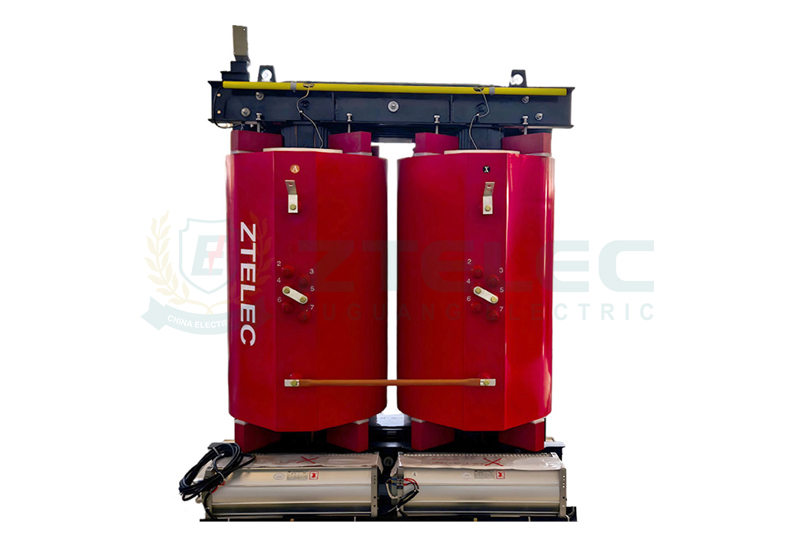
Driven by the global energy transition, grid modernization, and the rapid expansion of the digital economy, dry-type transformers have become an essential component of medium- and low-voltage power distribution systems. Thanks to their maintenance-free operation, superior fire safety, environmentally friendly design, oil-free insulation, and installation flexibility, dry-type transformers are widely used in data centers, hospitals, rail transit systems, commercial buildings, industrial facilities, photovoltaic power plants, wind farms, and battery energy storage systems.
As the industry moves into 2026, worldwide demand continues to grow steadily. However, manufacturers and buyers are also facing challenges including volatile raw material prices, shortages of critical components, extended production lead times, and evolving global trade conditions. For EPC contractors, utilities, electrical equipment distributors, and project developers, understanding these market dynamics is essential for making informed procurement decisions and securing reliable transformer supply.

Global Dry-Type Transformer Market Continues to Expand
Ongoing investments in power infrastructure worldwide continue to drive long-term demand for dry-type transformers. According to multiple international market research organizations, the global dry-type transformer market is expected to maintain a compound annual growth rate (CAGR) of approximately 6% over the coming years. Asia-Pacific remains both the largest manufacturing hub and the fastest-growing market, while North America, Europe, and the Middle East continue to invest heavily in power distribution upgrades and renewable energy infrastructure.
Compared with conventional oil-filled transformers, dry-type transformers comply more easily with increasingly stringent fire protection, environmental, and building safety regulations. As a result, their market share continues to grow across commercial buildings, public infrastructure, industrial facilities, and renewable energy projects.
Key Drivers of Market Growth in 2026
Data Center Expansion
The rapid development of artificial intelligence, cloud computing, big data, and edge computing has triggered another wave of global data center construction. These facilities require highly reliable, low-maintenance, and fire-safe electrical distribution systems, making cast resin dry-type transformers one of the preferred solutions for mission-critical applications.
Renewable Energy Development
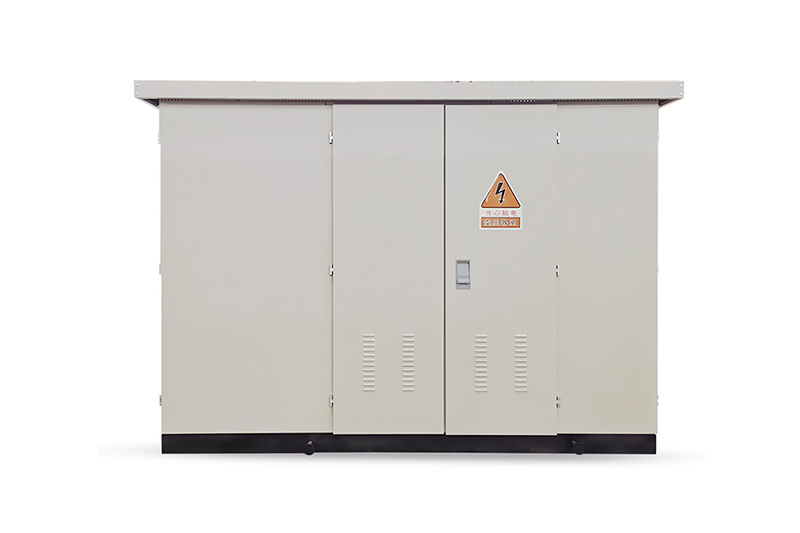
Global investments in solar photovoltaic plants, wind farms, and battery energy storage systems continue to accelerate, creating increasing demand for compact substations, prefabricated substations, and step-up transformer stations. Thanks to their environmentally friendly oil-free design, dry-type transformers have become the preferred choice for many renewable energy installations.
Grid Modernization and Equipment Replacement
In North America and Europe, a significant number of distribution transformers that have been operating for more than three decades are reaching the end of their service life. At the same time, governments are introducing stricter energy efficiency and fire safety regulations, accelerating the replacement of aging electrical equipment with modern high-efficiency dry-type transformers.
Stricter Building Safety Regulations
Hospitals, airports, metro systems, high-rise buildings, commercial complexes, and other public facilities increasingly specify dry-type transformers during the design stage to reduce fire hazards and eliminate the environmental risks associated with liquid insulation.
Supply Chain Challenges Continue in 2026
Although global manufacturing capacity continues to expand, supply chain uncertainty remains one of the industry’s biggest challenges. The availability of key raw materials continues to influence production schedules and delivery performance.
Copper Prices Remain Elevated
Copper conductors typically account for approximately 30% to 40% of the manufacturing cost of a dry-type transformer. Continued fluctuations in global copper prices have kept production costs relatively high. To improve cost competitiveness, some manufacturers are promoting aluminum winding designs for price-sensitive applications, although copper windings remain the preferred choice for projects requiring maximum reliability and efficiency.
High-Grade Electrical Steel Remains in Short Supply
High-permeability grain-oriented electrical steel (GOES) and amorphous alloy core materials continue to experience supply constraints. As worldwide demand for energy-efficient transformers grows, these premium core materials have become one of the primary factors affecting manufacturing lead times.
Many leading manufacturers have responded by securing long-term supply agreements with steel producers while increasing inventory levels to improve supply chain resilience.

Manufacturers Continue Expanding Production Capacity
To meet rising global demand, transformer manufacturers are investing in new production facilities and automated manufacturing lines across Asia, Europe, and North America. However, constructing and commissioning new factories requires considerable time, meaning supply for premium transformer products is expected to remain relatively tight in the near term.
Dry-Type Transformer Price Outlook for 2026
Overall, dry-type transformer prices are expected to stabilize at relatively high levels throughout 2026 rather than experiencing the sharp increases seen in previous years.
Raw materials will continue to be the primary factor influencing pricing. Copper, electrical steel, epoxy resin, and insulation materials remain the largest contributors to manufacturing costs.
As supply chains gradually recover, most manufacturers are expected to implement only moderate annual price adjustments. Future price increases will likely reflect higher labor, energy, and transportation costs rather than dramatic fluctuations in raw material prices.
Regional price differences will remain significant. Thanks to integrated supply chains, large-scale manufacturing capabilities, and mature industrial ecosystems, China and the broader Asia-Pacific region continue to offer highly competitive pricing. In comparison, locally manufactured transformers in North America and Europe generally command higher prices due to labor costs, energy expenses, and domestic production requirements.
Meanwhile, advanced technologies such as digital monitoring systems, intelligent temperature control, online condition monitoring, high K-factor designs, low-loss magnetic cores, and amorphous alloy technology will continue to command premium pricing while delivering lower lifecycle operating costs.
Global Purchasing Trends Are Changing
International buyers are increasingly shifting their focus away from purchase price alone toward evaluating overall product quality, delivery capability, operational efficiency, and long-term value.
For large infrastructure projects, securing manufacturing capacity well in advance has become a common procurement strategy. Since production lead times for larger dry-type transformers remain relatively long, many project owners finalize technical specifications and purchase contracts months before construction begins.
Procurement decisions are also increasingly based on Total Cost of Ownership (TCO). Energy efficiency, no-load losses, load losses, maintenance requirements, and expected service life are now considered just as important as initial capital investment.
For budget-sensitive projects, buyers frequently compare copper and aluminum winding options to optimize investment while maintaining required technical performance.
In addition, supplier evaluation increasingly includes raw material inventory management, production capacity, export experience, international certifications, manufacturing quality, and historical delivery performance.
Procurement Recommendations for 2026
International buyers should begin project planning early and communicate technical specifications, delivery schedules, and testing requirements with manufacturers well before procurement to reduce the risk of production delays caused by increasing market demand.
Selecting manufacturers with internationally recognized certifications such as IEC 60076, ISO 9001, ISO 14001, and ISO 45001, along with extensive export experience, can significantly reduce project risks.
For major infrastructure projects, independent Factory Audits and Factory Acceptance Tests (FAT) are strongly recommended to verify product quality and contractual compliance before shipment.
Rather than focusing solely on equipment price, buyers should also evaluate transformer efficiency, digital capabilities, after-sales service, spare parts availability, and long-term technical support to maximize return on investment throughout the equipment’s operating life.
In 2026, the global dry-type transformer market will continue its steady growth, supported by expanding data center construction, renewable energy investment, grid modernization, and increasingly stringent building safety standards. Although supply constraints for copper, electrical steel, and certain critical components remain, ongoing investments in global manufacturing capacity are expected to gradually improve supply conditions.
For international buyers, successful procurement will depend on early planning, selecting manufacturers with stable supply chains and proven international project experience, and evaluating equipment based on total lifecycle value rather than initial purchase price alone. As digitalization, energy efficiency, and intelligent monitoring technologies continue to evolve, dry-type transformers will play an increasingly important role in the future of global power distribution systems.