2000 kVA Oil-Immersed Transformer Specifications, Copper Winding Advantages, and 10kV Substation Applications
Time:2026-04-15 Auther:ZTelec-www.ztelectransformer.com
Why Choose a 2000 kVA Oil-Immersed Transformer
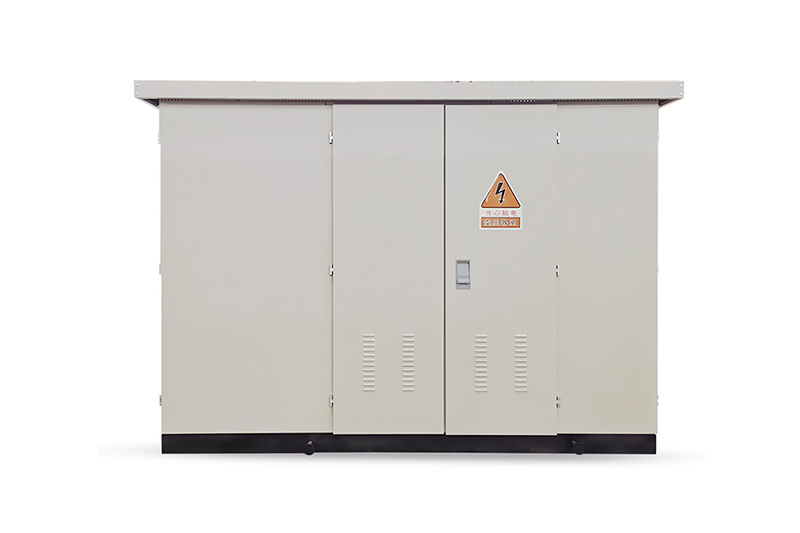
In industrial parks, municipal distribution networks, large commercial complexes, and urban substation expansion projects, the 2000 kVA capacity level offers an excellent balance between power density and economic efficiency. It has become one of the most commonly selected main transformer ratings for 10kV/0.4kV distribution systems.
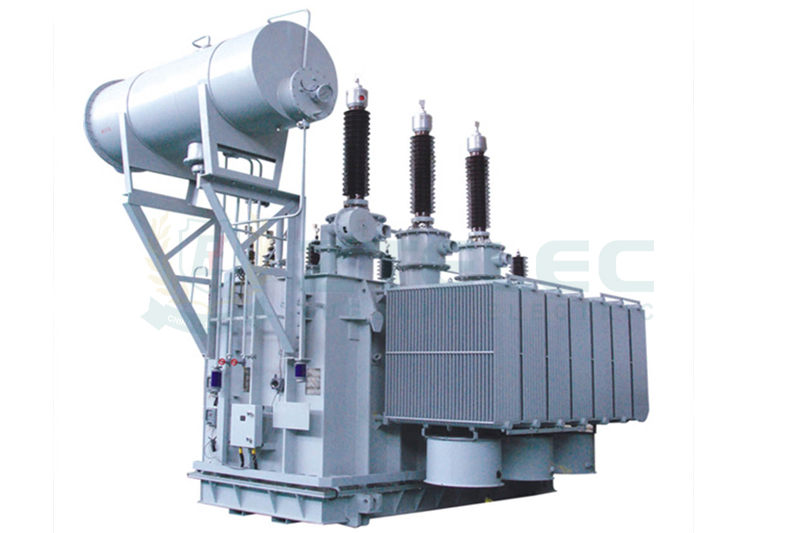
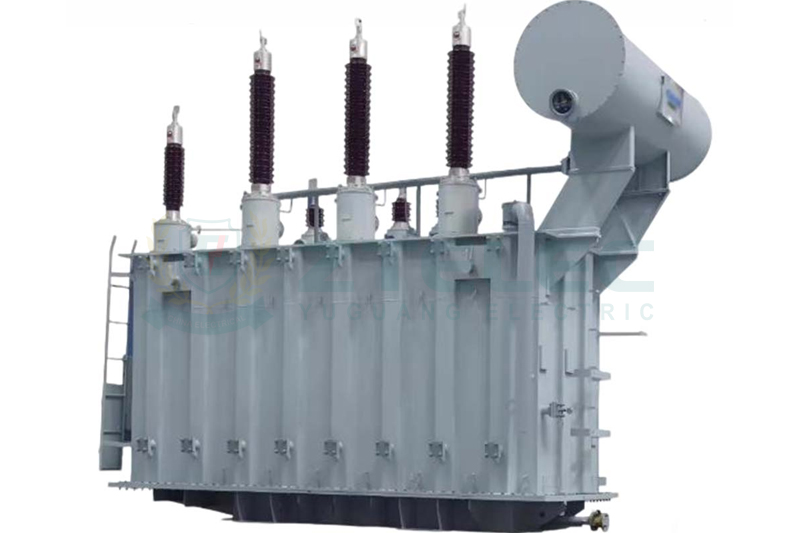
Oil-immersed transformers use mineral insulating oil or synthetic insulating oil to provide both insulation and cooling functions. They feature strong overload capability, high heat dissipation efficiency, low noise, and long service life. These advantages make them the preferred solution for outdoor substations and indoor distribution rooms with fire protection measures. The 2000 kVA copper winding configuration achieves optimal cost-performance and is widely used in applications requiring stable and continuous power supply.

Core Technical Specifications
| Parameter | Typical Value | Standard |
|---|---|---|
| Rated Capacity | 2000 kVA | GB/T 1094 |
| Primary Voltage | 10 kV | GB/T 1094 |
| Secondary Voltage | 0.4 kV | GB/T 1094 |
| Frequency | 50 Hz | IEC 60076 |
| No-load Loss | ≤ 2.1 kW | GB/T 1094 |
| Load Loss | ≤ 18 kW | GB/T 1094 |
| Winding Material | Copper (T2) | GB/T 5585 |
| Vector Group | Dyn11 | GB/T 1094.1 |
| Impedance Voltage | 4.5% – 6% | GB/T 1094.5 |
| Cooling Method | ONAN | IEC 60076-2 |
| Tap Changer | Off-load ±2×2.5% | GB/T 1094 |
| Insulation Class | Class A (105°C) | GB/T 11022 |
| Total Weight | Approx. 5,500 – 6,500 kg | Manufacturer Design |
Copper Winding Structural Advantages
Copper winding design provides superior conductivity compared with aluminum. The electrical conductivity of copper is approximately 1.6 times higher than aluminum, resulting in lower resistance and reduced load losses. This improves efficiency during continuous full-load operation and supports compliance with high-efficiency transformer standards.
Copper also offers higher mechanical strength, improving short-circuit withstand capability. During external fault conditions, windings are less likely to deform, ensuring reliable system operation and reducing maintenance requirements.
Additionally, copper windings allow more compact transformer construction. Reduced winding volume decreases tank size, lowers oil consumption, and minimizes overall weight, making installation easier in space-constrained substations.

Insulating Oil System and Cooling Method
The insulating oil system is essential for transformer reliability. The 2000 kVA oil-immersed transformer typically adopts ONAN cooling, where oil circulates naturally between windings and radiators. Heat dissipates through cooling fins without auxiliary fans or pumps, ensuring simple structure and low maintenance.
The insulating oil must meet performance requirements such as breakdown voltage above 40 kV, flash point above 135°C, low moisture content, and stable chemical properties. These characteristics guarantee long-term insulation reliability.
The transformer is equipped with a conservator tank connected to the main tank, along with a silica gel breather to prevent moisture ingress. A gas relay provides fault detection by monitoring gas accumulation caused by internal insulation failure or overheating.
Substation Application Scenarios
| Application | Load Characteristics | Configuration Recommendation |
|---|---|---|
| Industrial Park Substation | Impact loads and harmonics | Higher impedance and harmonic filter |
| Municipal Infrastructure | Night peak load | Reactive power compensation |
| Commercial Complex | High load density | Dual transformer redundancy |
| Underground Utility Tunnel | Limited ventilation | Enhanced cooling assessment |
| Data Center Power Supply | Near full load operation | Dyn11 connection for harmonic suppression |
Installation Considerations
The transformer foundation must support at least 1.5 times the equipment weight. Level deviation should be controlled within strict limits to prevent mechanical stress. Proper fire separation distance must be maintained for outdoor installations. Indoor installations require oil containment and fire protection systems.
Grounding is critical. Transformer tank, core, and neutral point must be reliably grounded. Surge arresters should be installed on the high-voltage side to protect against lightning overvoltage.
Operation and Maintenance
Oil-immersed transformers typically have a service life of 30 to 40 years. Monthly inspection should include oil level, temperature, and abnormal noise monitoring. Annual oil testing including dissolved gas analysis helps detect insulation degradation. Periodic preventive testing ensures long-term reliability.
Overload operation accelerates insulation aging. When dissolved gas analysis indicates abnormal acetylene levels or oil degradation, immediate inspection is required to avoid internal faults.
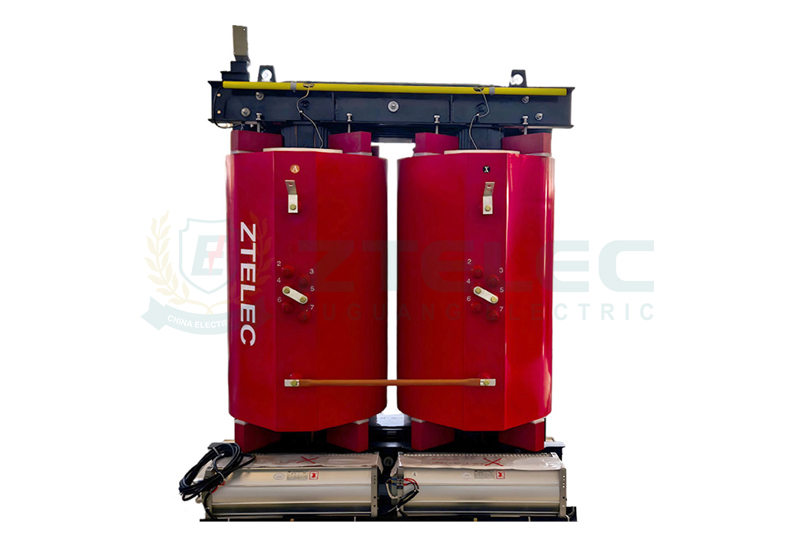
Comparison with Dry-Type Transformers
| Parameter | Oil-Immersed Transformer | Dry-Type Transformer |
|---|---|---|
| Insulation Medium | Mineral Oil | Epoxy Resin |
| Fire Safety | Requires protection | Fire-resistant |
| Overload Capacity | High | Limited |
| Noise Level | Lower | Higher |
| Initial Cost | Lower | Higher |
| Maintenance | Oil testing required | Minimal |
| Installation Environment | Outdoor/Substation | Indoor/Buildings |
The 2000 kVA copper winding oil-immersed transformer provides excellent electrical performance, mature technology, and low life-cycle cost. It is widely used in substations requiring reliable and efficient power supply. Proper selection based on installation environment, load characteristics, and fire safety conditions ensures long-term stable operation.