How to Evaluate Dry-Type Transformer Manufacturers: Six Key Criteria
Time:2026-04-20 Auther:ZTelec-www.ztelectransformer.com
Why Evaluating Dry-Type Transformer Manufacturers Is Important
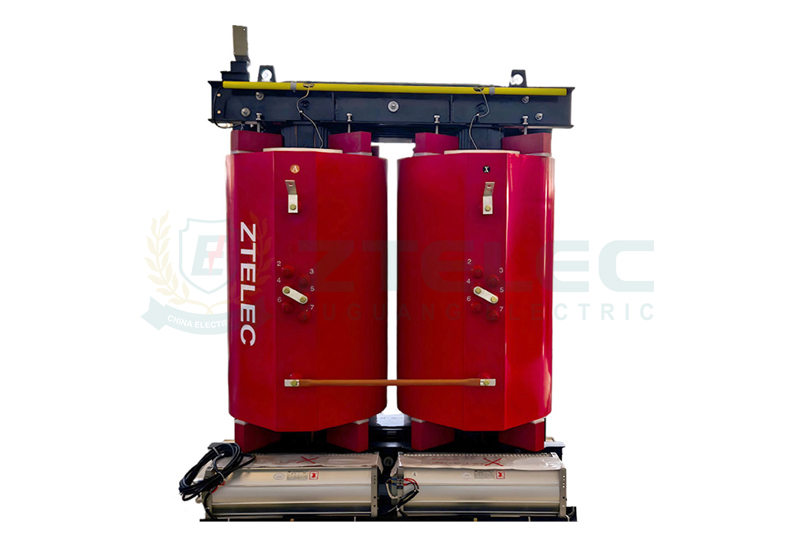
Dry-type transformers are core components in power systems, and their quality directly impacts operational safety and lifecycle cost. Unlike purchasing standard products, selecting a custom dry-type transformer manufacturer involves multiple professional aspects such as engineering design, material selection, manufacturing process, and testing standards. Relying solely on price or brand recognition is not sufficient for making an informed decision.
With the rapid growth of renewable energy, rail transit, and data centers, the market now includes both manufacturers with true customization capabilities and those offering minor modifications of standard products. Without a structured evaluation framework, buyers may face risks during negotiation and discover performance gaps only after installation. Establishing a systematic supplier assessment method helps procurement engineers, project managers, and owners make better decisions.

Six Key Dimensions for Evaluating Dry-Type Transformer Manufacturers
A comprehensive evaluation should consider certifications, engineering capability, manufacturing quality control, delivery capability, industry experience, and after-sales service. These factors collectively determine the supplier’s technical strength and reliability.
Production Certifications and Compliance
Certifications form the basic threshold for supplier selection. Key documents include manufacturing licenses, ISO quality management certification, and type test reports. Type tests should be issued by qualified third-party laboratories and cover temperature rise, short-circuit withstand capability, and insulation tests. For export projects, CE, UL, or other regional certifications may also be required. It is important to ensure that the tested parameters match the customized specifications.
Engineering and Design Capability
Manufacturers with strong customization capability typically maintain independent design teams capable of electromagnetic and structural design. Evaluation criteria include number of engineers, design experience, simulation tools, proprietary software, patents, and cooperation with research institutions. Qualified manufacturers can usually provide preliminary design calculations based on customer specifications.
Manufacturing Process and Quality Control
Manufacturing quality determines transformer reliability and consistency. Key checkpoints include silicon steel inspection, winding process control, vacuum resin casting procedures, core assembly accuracy, and complete routine testing. Standard tests include no-load loss, load loss, impedance, and dielectric strength verification, with documented records available for customer review.
Delivery Capability and Supply Chain Stability
Delivery performance is critical for schedule-sensitive projects. Buyers should review production capacity, order backlog, key material suppliers, inventory strategy, and historical on-time delivery performance. A stable supply chain minimizes project delays.
Industry Experience and Reference Projects
Relevant project experience reflects technical maturity. Priority should be given to manufacturers with references in similar sectors such as rail transit, data centers, petrochemical plants, or renewable energy installations. Complete project information including commissioning date and client references helps verify reliability.

After-Sales Service and Technical Support
Dry-type transformers typically operate for more than twenty years. A strong service system reduces total ownership cost. Evaluation should include warranty period, response time, on-site support capability, spare parts availability, and remote diagnostic services.
Scoring and Decision Method
After evaluating all six dimensions, a weighted scoring method can be used for comparison. Engineering capability and manufacturing quality should receive higher weight, followed by delivery performance and industry experience. Certifications and service support act as supporting indicators. Suppliers with weak technical capability should be carefully reconsidered even if overall scores appear acceptable.
Frequently Asked Questions
How to evaluate manufacturers without visiting the factory
Remote audits, video factory tours, third-party inspections, customer references, and online certification verification can be used.
Difference between type test and routine test
Type tests validate design compliance with standards, while routine tests are performed on each unit before delivery to ensure product consistency.
Are small manufacturers reliable
Some smaller manufacturers specialize in niche applications and may offer strong technical expertise. Evaluation should focus on capability rather than company size.
Documents required for supplier evaluation
Essential documents include business license, manufacturing license, ISO certificates, type test reports, routine test samples, supplier lists, and project references.
Evaluating dry-type transformer manufacturers requires a comprehensive review of certifications, design capability, manufacturing quality, delivery performance, industry experience, and service support. A structured assessment framework enables objective decision-making and helps select a reliable partner aligned with project requirements.