Oil-Immersed Transformer: Types, Applications and Advantages Complete Guide (2026)
Time:2026-04-22 Auther:ZTelec-www.ztelectransformer.com
What Is an Oil-Immersed Transformer
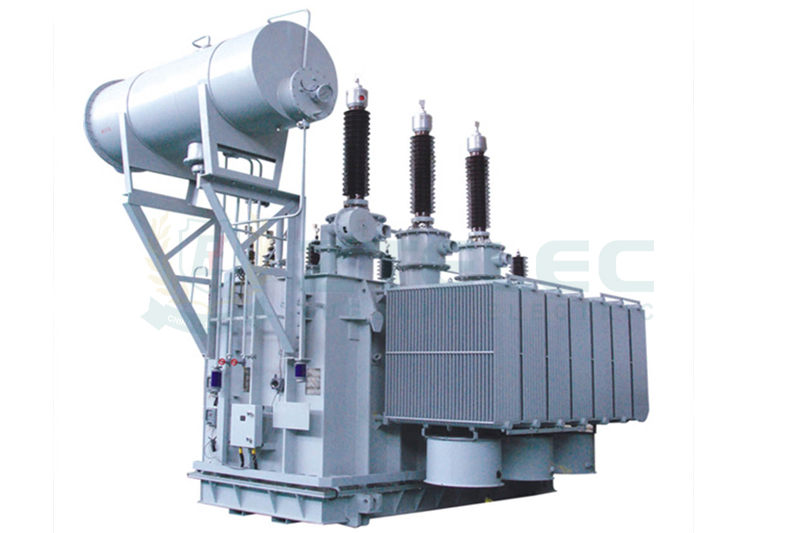
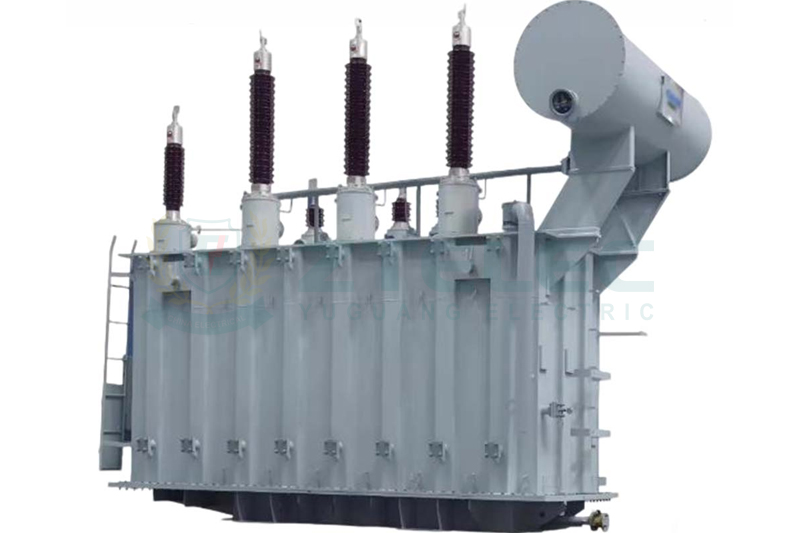
An oil-immersed transformer, also known as an oil-filled transformer, is a type of power transformer in which the core and windings are fully immersed in insulating oil. The insulating oil, typically mineral oil or ester-based fluid, performs two essential functions: electrical insulation and heat dissipation. Heat generated by the windings and core is transferred through oil circulation to the tank walls or radiators, where it is released into the surrounding environment.
Compared with dry-type transformers, oil-immersed transformers offer stronger overload capability, lower cost per kVA, and more mature large-capacity manufacturing technology. As a result, they dominate power transmission and distribution systems worldwide, ranging from small 50 kVA distribution units to ultra-large transformers exceeding 1000 MVA.

Working Principle of Oil-Immersed Transformers
Oil-immersed transformers operate based on electromagnetic induction. Voltage transformation occurs through magnetic coupling between the primary winding and secondary winding. The distinguishing feature is the use of insulating oil as both cooling and dielectric medium. The oil forms a continuous insulation layer and transfers heat through natural or forced circulation.
A conservator tank is typically installed on top of the transformer to accommodate oil expansion and contraction due to temperature changes. A breather with silica gel desiccant removes moisture from incoming air, helping prevent insulation degradation and extending service life.
Main Types of Oil-Immersed Transformers
Classification by Cooling Method
ONAN refers to oil natural air natural cooling, relying on natural oil and air convection. It is commonly used in distribution systems up to 35 kV. ONAF adds cooling fans to increase heat dissipation capacity for medium-capacity applications. OFAF uses forced oil circulation with fans, providing higher cooling efficiency for large transmission transformers. OFWF replaces air cooling with water cooling and is suitable for confined spaces or low-noise environments such as underground substations.
Classification by Insulating Oil Type
Mineral oil transformers use traditional petroleum-based insulating oil and are widely adopted due to mature technology and low cost. Natural ester transformers use vegetable-based fluids with higher fire points and biodegradability, making them suitable for environmentally sensitive areas. Silicone oil transformers provide excellent thermal stability for special industrial environments. Synthetic ester transformers combine improved fire safety with strong dielectric performance and are increasingly used in high-reliability applications.
Classification by Voltage Regulation Method
Off-circuit tap changers require power shutdown for voltage adjustment and are simple in structure. On-load tap changers allow voltage regulation during operation and are commonly used in transmission networks and utility substations to maintain voltage stability.

Main Applications of Oil-Immersed Transformers
Power Transmission and Distribution
Oil-immersed transformers are core equipment in power generation step-up substations, transmission systems, and distribution networks. Voltage is stepped up for long-distance transmission and then stepped down at regional substations before final distribution to consumers.
Heavy Industrial Applications
Industries such as metallurgy, mining, and petrochemicals require transformers capable of handling high overload and short-circuit stresses. Oil-immersed furnace transformers are specially designed for these demanding applications.
Railway Traction Power Supply
Railway traction substations use oil-immersed traction transformers to convert grid voltage to traction supply voltage. These transformers must withstand rapid load fluctuations caused by train acceleration and braking.
Renewable Energy and Offshore Wind
Offshore substations require compact, high-capacity equipment. Oil-immersed transformers are widely used due to their high power density and reliable sealing performance.
Urban Underground Substations
Urban underground substations demand low noise and efficient cooling. Oil-immersed transformers combined with oil containment systems provide safe operation in confined environments.
Key Advantages of Oil-Immersed Transformers
Oil-immersed transformers provide strong short-term overload capability due to the high heat capacity of insulating oil. They offer lower cost per capacity, especially for large ratings. Efficient heat transfer results in lower operating temperatures and extended insulation life. Oil-filled insulation systems also provide partial self-healing capability and allow condition monitoring through dissolved gas analysis. The tank structure helps dampen noise, making them suitable for urban installations.
Key Selection Parameters
| Parameter | Description | Notes |
|---|---|---|
| Rated Capacity | Select based on maximum load × 1.2 | Consider future expansion |
| Voltage Level | Match system voltage | Confirm tap range |
| Cooling Method | ONAN / ONAF / OFAF | Based on space and capacity |
| Insulating Oil | Mineral oil / ester oil | Fire-sensitive areas use ester oil |
| Tap Changer | NLTC / OLTC | Voltage fluctuation requires OLTC |
| Efficiency Class | Comply with standards | Select high-efficiency models |
| Protection Level | IP00 / IP44 / IP54 | Higher rating for coastal areas |
| Insulation Class | Class A or higher | Heavy load requires higher class |
Maintenance Guidelines
Dissolved gas analysis helps detect internal faults early. Dielectric strength testing ensures oil insulation performance. Moisture content monitoring prevents oil degradation. Infrared thermography identifies overheating connections. Breather silica gel should be inspected and replaced regularly to prevent moisture ingress.
Oil-immersed transformers remain essential in power systems due to superior cooling performance, mature large-capacity manufacturing, and competitive cost. From distribution networks to ultra-high-voltage transmission systems, oil-filled transformers play a critical role in reliable power delivery. Proper selection based on environment, fire safety requirements, load characteristics, and maintenance planning ensures long-term safe and efficient operation.