500 kVA Oil Filled Transformer Price in 2026: Complete Cost Breakdown
Time:2026-09-9 Auther:ZTelec-www.ztelectransformer.com
If you’ve been shopping around for a 500 kVA oil filled transformer this year, you’ve probably noticed the quotes aren’t exactly consistent. Ask five suppliers and you might get five different numbers, sometimes with a gap of several thousand dollars between the lowest and highest. That’s not necessarily a sign that someone is overcharging or someone else is cutting corners — it usually just means the quotes reflect different assumptions about materials, testing, and scope. This breakdown walks through what actually goes into the price of a 500 kVA oil filled unit in 2026, so you can read a quotation with a clearer eye and know what you’re really paying for.

Typical Price Range in 2026
As a general reference point, a standard 500 kVA oil filled distribution transformer, built to common specifications with copper windings and standard accessories, tends to fall somewhere in the range of $12,000 to $22,000 depending on the manufacturer, region, and exact configuration. Units with aluminum windings instead of copper typically land toward the lower end of that range, while transformers built with additional protection features, higher insulation classes, or export-grade certification can push toward the higher end or beyond. These figures move with commodity prices and shipping costs, so treat them as a starting reference rather than a fixed number — always confirm current pricing directly with the factory before budgeting a project around it.
Copper and Aluminum: The Biggest Swing Factor
Winding material is usually the single largest driver of price difference between two otherwise similar 500 kVA units. Copper has better conductivity, runs cooler, and generally has a longer service life, but it costs considerably more than aluminum on the commodity market. Aluminum-wound transformers are lighter and cheaper upfront, and for many standard applications they perform perfectly well, but they require larger cross-sections to carry the same current, which affects overall transformer size and sometimes efficiency ratings.
When comparing quotes, always check which winding material is specified. A transformer priced noticeably lower than others might simply be aluminum wound rather than copper, which isn’t necessarily a bad choice, but you want that to be a decision you made deliberately rather than something you discover after the unit arrives.
Core Steel Quality
The transformer core, typically made from grain-oriented silicon steel, affects both price and long-term running cost. Higher-grade core steel reduces no-load losses, meaning the transformer wastes less energy simply sitting energized, even with no load connected. Factories offering a lower upfront price sometimes use a lower grade of core steel to hit that number. This can mean a cheaper purchase price but higher electricity losses over the transformer’s operating life, which for a unit expected to run for two or three decades can add up to real money.
If energy efficiency matters for your application, or if the transformer will run continuously rather than intermittently, it’s worth asking specifically about the core loss figures (usually listed in watts) on the technical datasheet rather than judging purely on sticker price.
Insulation and Oil
Oil filled transformers use mineral oil, or sometimes biodegradable ester-based fluids, both as an insulating medium and for cooling. Standard mineral oil is the more economical option and remains the industry default for most 500 kVA applications. Ester-based fluids, sometimes chosen for environmentally sensitive locations or fire-safety reasons, cost more but offer better fire points and biodegradability. If your project is near a water source, inside a building, or subject to specific environmental regulations, this choice can materially affect both price and compliance, so it’s worth clarifying early rather than after a quote comes in.

Accessories and Protection Features
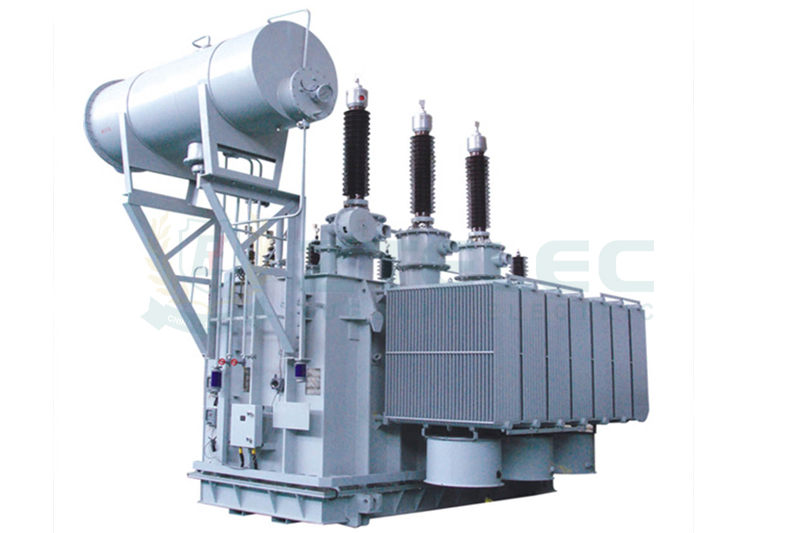
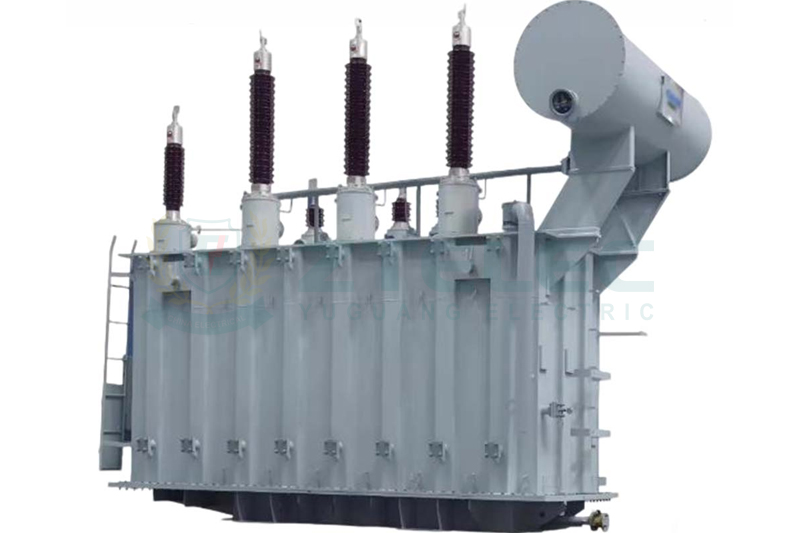
A base quote for a 500 kVA transformer often includes only the essentials — the core, windings, tank, and basic bushings. Depending on your application, you may need additional accessories such as a Buchholz relay, pressure relief valve, oil level indicator, winding temperature indicator, off-circuit or on-load tap changer, and surge arresters. Each of these adds to the total cost, sometimes significantly if you’re specifying an on-load tap changer, which is considerably more complex and expensive than a simple off-circuit version.
Before comparing two quotes side by side, check exactly which accessories are included versus optional. It’s common for a lower quote to simply exclude items that a higher quote includes as standard, which makes the raw price comparison misleading until you align the specifications.
Testing and Certification Costs
Routine factory testing — insulation resistance, winding resistance, ratio testing, and basic dielectric checks — is typically built into the base price of any reputable manufacturer’s quote. But if your project requires additional testing, such as full type testing, third-party witness testing, or specific certifications like IEC 60076, ANSI/IEEE standards, or country-specific compliance marks, expect that to add a separate line item. For export orders or projects funded by institutions with strict compliance requirements, this can be one of the more overlooked cost additions that catches buyers off guard late in the process.
Freight, Packaging, and Delivery
A 500 kVA oil filled transformer is a heavy, bulky item, and shipping costs are far from negligible, particularly for international orders. Packaging method matters too — units shipped in wooden crates versus those shipped with oil drained and refilled on-site (to reduce shipping weight) will carry different logistics costs. Inland transportation on either end, port handling fees, and insurance during transit all factor into the landed cost, which can sometimes add 10 to 20 percent on top of the factory ex-works price for international shipments. Always ask whether a quote is FOB, CIF, or delivered price, since comparing an ex-works quote against a fully delivered quote without adjusting for this will give you a distorted picture.
Regional Price Differences
Where a transformer is manufactured has a real effect on price, driven by differences in labor cost, local material sourcing, energy costs at the factory, and regulatory overhead. Manufacturers in regions with lower labor costs and strong domestic steel and copper supply chains can often offer more competitive base pricing, while factories in regions with higher compliance and labor costs tend to price higher but sometimes offer faster turnaround for certain certifications relevant to that region. If your project allows flexibility in sourcing location, it’s worth requesting quotes from more than one region to see how the numbers compare, factoring in shipping and lead time alongside the base price.
Lead Time and Its Effect on Price
Standard lead times for a 500 kVA oil filled transformer typically run anywhere from four to ten weeks depending on the factory’s current order backlog and whether the unit is a standard configuration or custom-built. Rush orders, where you need delivery faster than the factory’s normal schedule, often carry a premium, sometimes because the factory has to reprioritize its production line or pay overtime to hit the deadline. If your timeline has any flexibility, communicating that upfront can sometimes open the door to better pricing, since factories are often willing to offer a discount in exchange for filling a production slot during a slower period.
How to Read a Quote Properly
When comparing quotes for a 500 kVA oil filled transformer, it helps to build a simple side-by-side comparison covering winding material, core loss figures, oil type, included accessories, testing scope, warranty length, and delivery terms. Price alone tells you very little without this context. Two quotes that look ten percent apart on paper might actually represent very different products once you account for what’s included and excluded. Taking the time to normalize the comparison before making a decision is usually the single most effective way to avoid overpaying or, just as importantly, avoid underbuying for your actual application.
The price of a 500 kVA oil filled transformer in 2026 depends on far more than a single number on a quotation sheet. Winding material, core quality, oil type, accessories, testing scope, and delivery terms all combine to determine what you’re actually paying for and what you’re getting in return. Rather than chasing the lowest quote, the better approach is understanding what’s driving each number so you can weigh cost against long-term performance and reliability. A transformer is a long-life investment, and getting the specification right the first time usually matters more than shaving a few percent off the initial purchase price.