Dry Type Transformer vs Oil Filled Transformer: 10 Differences Every Buyer Should Know
Time:2026-09-2 Auther:ZTelec-www.ztelectransformer.com
Choosing between a dry type transformer and an oil filled transformer is one of the most important decisions in an electrical power distribution project. Both transformer types can reliably step voltage up or down, but they differ significantly in construction, insulation, cooling, fire safety, installation requirements, maintenance, cost, efficiency, and application suitability.
Selecting the wrong transformer type can increase installation costs, create unnecessary maintenance requirements, introduce additional fire protection measures, or limit long-term operating performance. For this reason, buyers should compare dry type transformers and oil filled transformers based on the specific requirements of the project rather than selecting equipment based on initial purchase price alone.
This guide explains the 10 most important differences between dry type transformers and oil filled transformers to help engineers, contractors, project developers, and procurement teams make an informed purchasing decision.

Dry Type Transformer vs Oil Filled Transformer: Quick Overview
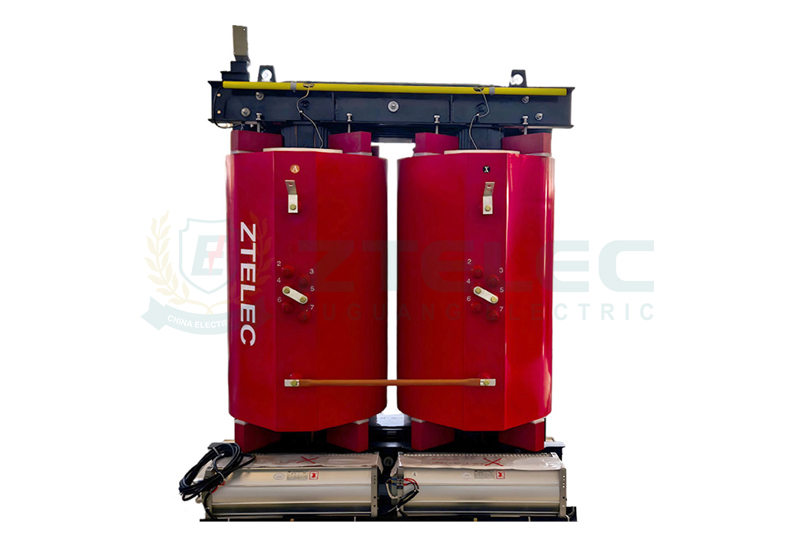
A dry type transformer uses air and solid insulation materials to insulate and cool its windings. Depending on the design, the windings may use cast resin insulation, vacuum-pressure impregnation (VPI), or other high-performance insulation systems. Because dry type transformers do not contain insulating oil, they are widely used in indoor and safety-sensitive installations.
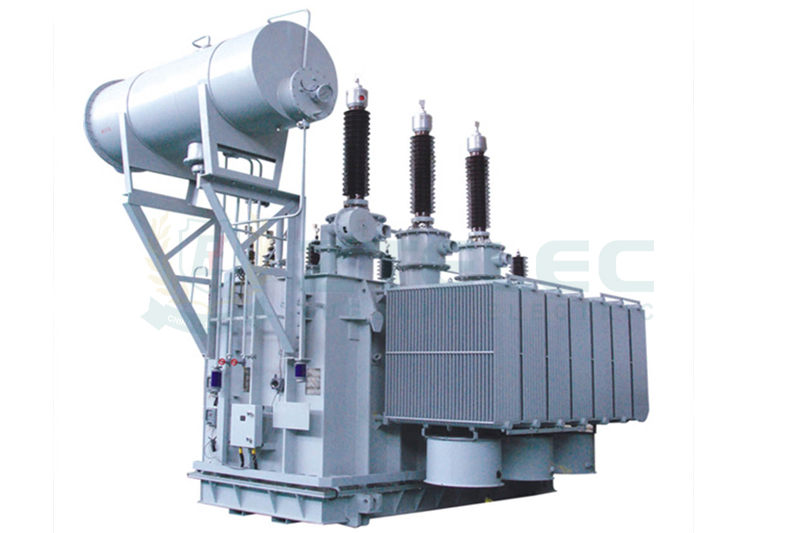
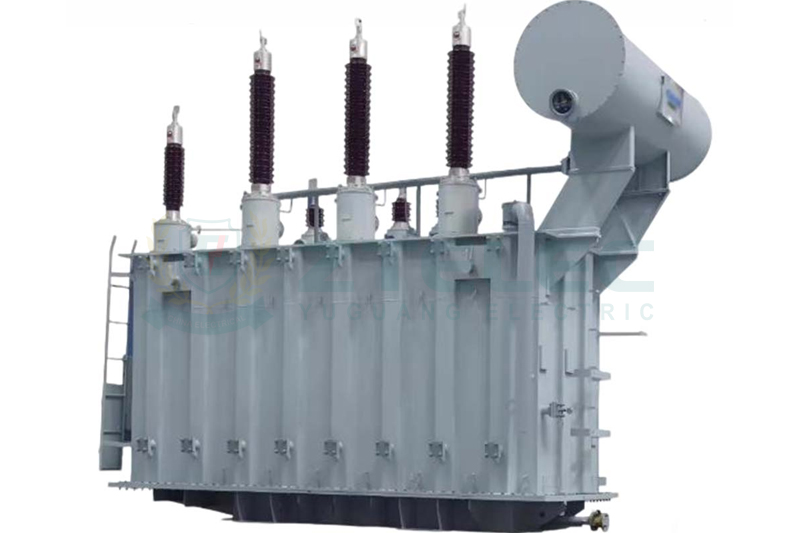
An oil filled transformer, also known as an oil immersed transformer or liquid-filled transformer, uses insulating liquid to surround the transformer core and windings. The oil provides both electrical insulation and efficient heat dissipation, allowing oil filled transformers to operate effectively at higher capacities and voltage levels.
The following comparison explains the differences that matter most when choosing between the two technologies.
1. Insulation and Cooling Medium
The most fundamental difference between a dry type transformer and an oil filled transformer is the insulation and cooling medium.
Dry type transformers use air combined with solid insulation systems. Common designs include cast resin transformers, which encapsulate the windings in epoxy resin, and VPI transformers, which use vacuum-pressure impregnated insulation materials. Heat is removed through natural air circulation or forced-air cooling systems.
Oil filled transformers use mineral oil, natural ester, or synthetic ester fluids. The insulating liquid surrounds the transformer core and windings, providing both dielectric insulation and heat transfer.
Because liquid generally transfers heat more efficiently than air, oil filled transformers can achieve higher power ratings and more compact designs for many large-capacity applications.
2. Fire Safety and Operational Risk
Fire safety is often one of the most important factors when comparing dry type and oil filled transformers.
Dry type transformers do not contain large quantities of combustible insulating oil. Cast resin windings can also provide strong resistance to moisture and environmental contamination. These characteristics make dry type transformers particularly suitable for locations where fire safety is a major concern.
Oil filled transformers using traditional mineral oil require additional consideration because mineral oil is combustible. Modern transformer installations may use pressure relief devices, fire barriers, containment systems, fire detection equipment, and other protective measures to reduce operational risk.
For hospitals, schools, commercial buildings, underground installations, and other occupied indoor environments, dry type transformers are often preferred because they simplify fire protection requirements.
3. Indoor vs Outdoor Installation
Installation location plays an important role in transformer selection.
Dry type transformers are widely used indoors because they do not require oil containment systems. Typical applications include commercial buildings, data centers, hospitals, manufacturing facilities, high-rise buildings, and electrical rooms.
Oil filled transformers are commonly installed outdoors in utility substations, industrial facilities, renewable energy projects, and power distribution networks. Their design is particularly well suited to high-capacity outdoor applications.
Oil filled transformers can also be installed indoors when the building design, fire protection systems, ventilation, and local regulations support the installation. However, this may require additional engineering and safety infrastructure.
4. Maintenance Requirements
Dry type transformers generally require less routine maintenance because there is no insulating oil to monitor or test.
Typical dry type transformer maintenance includes inspecting electrical connections, removing accumulated dust, checking insulation condition, monitoring temperature, and inspecting cooling fans where forced-air cooling is used.
Oil filled transformers require a more comprehensive maintenance program. Maintenance may include dissolved gas analysis, oil dielectric testing, moisture analysis, acidity testing, inspection of seals and gaskets, and monitoring of breathers and cooling systems.
Although oil transformer maintenance is more extensive, oil testing can provide valuable information about the internal condition of the transformer. Dissolved gas analysis can help identify developing faults before they lead to serious equipment damage.
5. Environmental Impact
Environmental protection is another important difference between dry type and oil filled transformers.
Dry type transformers eliminate the risk of insulating oil leaks or spills. This makes them suitable for environmentally sensitive locations and areas where oil containment would be difficult or expensive.
Oil filled transformers require appropriate containment and environmental protection measures to reduce the risk of soil or groundwater contamination in the event of a leak.
Modern transformer designs can use natural ester or synthetic ester insulating fluids. These alternatives may provide improved biodegradability and higher fire points compared with conventional mineral oil, making liquid-filled transformers more suitable for environmentally sensitive applications.
6. Initial Cost and Total Cost of Ownership
Initial purchase cost is an important consideration, but it should not be the only factor when comparing transformer options.
Dry type transformers often have a higher initial purchase price than oil filled transformers with similar ratings. This is partly due to the cost of cast resin insulation systems and specialized manufacturing processes.
Oil filled transformers can provide a lower initial cost for many medium- and large-capacity applications. However, buyers should also consider long-term costs related to oil testing, maintenance, environmental protection, containment systems, and fire safety infrastructure.
The most accurate comparison is based on the total cost of ownership, including equipment cost, installation, maintenance, energy losses, environmental requirements, and expected service life.
7. Efficiency and Load Capacity
Both dry type and oil filled transformers can provide high efficiency when properly designed. However, their cooling characteristics influence their load-handling capabilities.
Oil filled transformers benefit from efficient liquid cooling, which makes them particularly suitable for high-capacity and high-voltage applications. They are widely used in utility networks and industrial facilities with large continuous loads.
Dry type transformers are highly effective for many low-, medium-, and large-capacity applications. However, high ambient temperatures and limited ventilation can reduce available cooling capacity and may require additional forced-air cooling.
For very large power ratings and heavy continuous loads, oil filled transformers are often the more practical and cost-effective solution.
8. Transformer Noise Levels
Transformer noise can be an important consideration in commercial buildings, residential areas, hospitals, and other noise-sensitive environments.
Dry type transformers can generate audible noise from the magnetic core and cooling fans. Forced-air cooling systems may increase operational sound levels when fans are activated.
Oil filled transformers can benefit from the vibration-damping characteristics of insulating liquid. Transformers using natural oil and natural air cooling can operate without continuously running cooling fans.
However, actual transformer noise depends on many factors, including transformer design, capacity, cooling system, core construction, installation environment, and load conditions.
9. Service Life and Durability
Both dry type and oil filled transformers can provide long service lives when correctly specified and maintained.
Dry type transformers avoid oil oxidation and liquid contamination issues. Cast resin insulation can also provide excellent resistance to moisture and environmental conditions.
Oil filled transformers offer a different advantage because the insulating liquid can be monitored, filtered, processed, and replaced when necessary. Regular oil analysis can provide valuable information about insulation aging and internal transformer conditions.
Long-term transformer lifespan depends on insulation temperature, loading conditions, maintenance quality, environmental conditions, electrical stresses, and manufacturing quality rather than transformer type alone.
10. Application Suitability
The final decision between a dry type transformer and an oil filled transformer should always be based on the installation environment and operating requirements.
When to Choose a Dry Type Transformer
Dry type transformers are commonly selected for indoor installations where fire safety, low maintenance, and environmental protection are important.
Typical applications include hospitals, schools, commercial buildings, data centers, high-rise buildings, underground facilities, transportation infrastructure, and indoor industrial plants.
When to Choose an Oil Filled Transformer
Oil filled transformers are commonly selected for outdoor substations, utility distribution networks, renewable energy projects, industrial facilities, and high-capacity power systems.
They are particularly suitable for applications requiring high power ratings, efficient cooling, and cost-effective performance at larger capacities.

Dry Type Transformer vs Oil Filled Transformer: Side-by-Side Comparison
| Comparison Factor | Dry Type Transformer | Oil Filled Transformer |
|---|---|---|
| Cooling Medium | Air and solid insulation | Mineral oil or insulating liquid |
| Fire Risk | Lower | Higher with mineral oil, depending on protection and fluid type |
| Typical Installation | Indoor and safety-sensitive locations | Outdoor substations and high-capacity installations |
| Maintenance | Generally lower | More comprehensive oil monitoring and testing required |
| Environmental Risk | No oil leakage risk | Requires spill prevention and containment considerations |
| Initial Cost | Often higher | Often lower for comparable larger ratings |
| Cooling Performance | Air-based cooling | Highly efficient liquid cooling |
| Load Capacity | Suitable for many low- and medium-capacity applications | Well suited to high-capacity and heavy-load applications |
| Noise | May increase with forced-air cooling | Can operate quietly with natural cooling systems |
| Typical Applications | Commercial, institutional and indoor infrastructure | Utility, industrial and outdoor power systems |
How to Choose Between a Dry Type Transformer and an Oil Filled Transformer
Before purchasing a transformer, buyers should evaluate several important project requirements.
Consider the Installation Environment
Indoor installations with occupants often favor dry type transformers, while outdoor substations and large industrial sites frequently benefit from oil filled transformer designs.
Review Fire Safety Requirements
Local electrical codes, building regulations, insurance requirements, and fire safety standards may influence transformer selection. Projects should always verify applicable regulations before finalizing the transformer type.
Determine the Required Power Rating
For larger power ratings and heavy continuous loads, oil filled transformers may provide better cooling performance and cost advantages. Dry type transformers can be an excellent choice when safety and installation requirements are the primary considerations.
Evaluate Maintenance Resources
Organizations with limited maintenance resources may prefer dry type transformers because they generally require less routine maintenance. Oil filled transformers require regular monitoring but provide additional diagnostic opportunities through oil analysis.
Consider Environmental Requirements
Projects located near water sources or environmentally sensitive areas should carefully evaluate oil containment requirements. Dry type transformers or ester-filled transformers may provide suitable alternatives depending on the application.
Dry Type Transformer vs Oil Filled Transformer: Which Is Better?
There is no single answer to whether a dry type transformer or oil filled transformer is better. The best choice depends on the specific requirements of the project.
A dry type transformer is often the better choice for indoor installations where fire safety, low maintenance, and environmental protection are priorities.
An oil filled transformer is often the better choice for outdoor installations, utility networks, industrial facilities, and high-capacity applications where efficient cooling and cost-effective performance are important.
Before making a purchasing decision, buyers should compare transformer capacity, voltage rating, installation location, ambient temperature, load profile, safety requirements, maintenance capabilities, and total cost of ownership.
Both dry type transformers and oil filled transformers have proven performance records across modern power distribution systems. Neither technology is universally better because each offers advantages for different operating environments.
Understanding the differences in insulation, cooling, fire safety, installation requirements, maintenance, environmental impact, cost, efficiency, noise, service life, and application suitability can help buyers make a more informed decision.
By selecting the transformer type based on actual project requirements rather than purchase price alone, engineers and procurement teams can improve long-term reliability, reduce operational risks, and achieve better value throughout the service life of the electrical system.