A Complete Guide to Pole-Mounted Transformers: Structural Design, Installation Methods, and Typical Applications
Time:2025-12-31 Auther:ZTelec-www.ztelectransformer.com
Pole-mounted transformers are a common and essential part of modern power distribution systems. Installed directly on utility poles, they are widely used in residential areas, commercial zones, industrial sites, and rural power networks. Their compact structure, outdoor suitability, and relatively simple installation make them a practical solution for delivering reliable electricity close to the load.
This article provides a clear and practical overview of pole-mounted transformers, focusing on their structural design, installation methods, typical applications, and daily maintenance requirements.

Structural Design of Pole-Mounted Transformers
The structural design of a pole-mounted transformer is optimized for outdoor operation and long-term reliability. The magnetic core is made from laminated silicon steel sheets with high magnetic permeability. This structure forms a closed magnetic circuit, helping to reduce no-load losses and improve energy efficiency.
The high-voltage and low-voltage windings are typically manufactured using copper or aluminum conductors. The choice of material depends on capacity requirements, efficiency targets, and cost considerations. A well-designed insulation system ensures electrical safety and stable performance over long service periods.
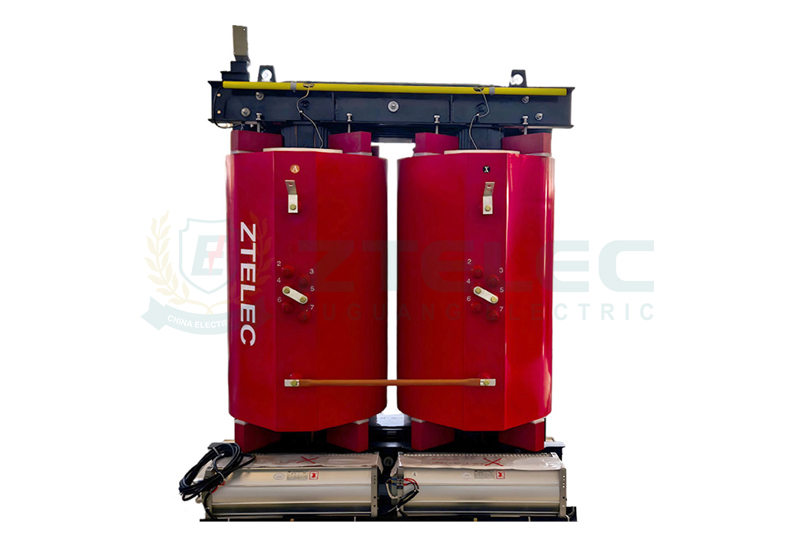
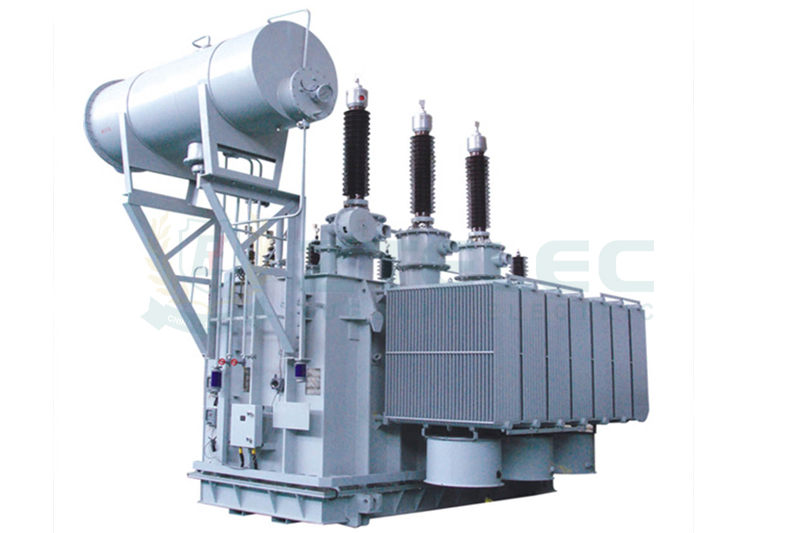
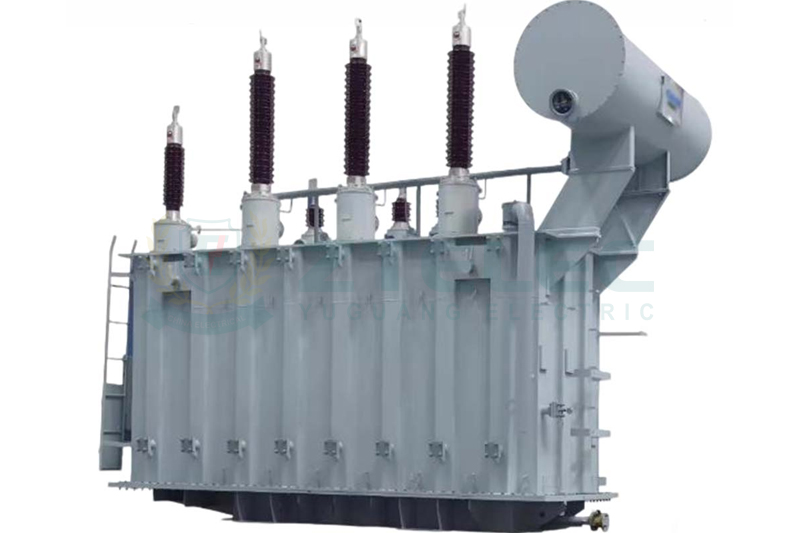
Most pole-mounted transformers use oil-immersed insulation with mineral oil, while dry-type designs with epoxy resin insulation are also available for specific applications. The transformer tank usually features a corrugated surface or fin-type radiator to improve natural cooling and heat dissipation.
To enhance operational safety, pole-mounted transformers are equipped with protective devices such as pressure relief valves, oil level indicators, and thermometers. These components allow operators to monitor operating conditions and respond quickly to abnormal situations.
Key Technical Parameters and Performance Characteristics
Pole-mounted transformers are commonly available in capacity ranges from 50kVA to 500kVA. For higher load demands, customized designs can reach capacities of up to 1000kVA. Typical voltage ratios include 10kV/0.4kV and 35kV/0.4kV, which meet the needs of most distribution networks.
Energy efficiency is an important consideration in modern power systems. These transformers are designed to meet efficiency standards such as GB 20052, helping reduce power losses and operating costs. With a protection rating of IP23 or higher, pole-mounted transformers are well suited for long-term outdoor operation in various climates.
Installation Methods and Key Considerations
Pole-mounted transformers are installed directly on utility poles to provide voltage conversion close to the load center. Choosing the right installation location is critical. Sites near power consumption areas are preferred to minimize transmission losses and improve voltage stability.
At the same time, installation should avoid locations exposed to strong winds, flooding, or unstable ground conditions. The supporting pole must have sufficient mechanical strength, and steel or reinforced concrete poles are commonly used.
During installation, high-voltage and low-voltage conductors must be clearly identified and connected to the correct terminals. Once connected to the high-voltage line, the transformer steps down the voltage to a level suitable for end users. Throughout the process, strict compliance with electrical safety standards is essential to ensure stable and reliable operation.

Typical Application Scenarios
In residential areas, pole-mounted transformers convert medium-voltage electricity into standard household voltages such as 220V or 110V. Their compact size and outdoor installation make them ideal for urban and suburban neighborhoods.
In commercial environments, these transformers supply power to office buildings, shopping centers, and business districts. They are particularly suitable for areas where electricity demand fluctuates significantly throughout the day.
For industrial applications, pole-mounted transformers provide stable power to machinery, production equipment, and temporary construction sites. Their simple structure and flexible installation help support continuous and reliable industrial operations.
In rural power systems, pole-mounted transformers are widely used due to their low installation cost and ease of maintenance. They play a key role in supporting agricultural production and improving access to electricity in remote areas.
Operation, Maintenance, and Fault Handling
Regular inspection is essential to ensure the safe and stable operation of pole-mounted transformers. Oil level checks should be carried out periodically. If abnormal oil levels are detected, insulating oil should be replenished or sampled for quality analysis.
Temperature monitoring is equally important. During normal operation, winding temperatures should remain below 95°C, and oil temperatures should stay below 85°C. Operators should also pay attention to operating noise, as unusual sounds may indicate loose components or internal electrical discharge.
Common faults include abnormal oil temperature rise caused by overload operation, blocked cooling surfaces, or internal component failure. Reducing load, cleaning radiators, and performing oil analysis can help identify and resolve these issues. In cases of oil leakage, temporary sealing may be applied, but permanent repair requires replacing seals or repairing the oil tank.
Pole-mounted transformers are a vital component of power distribution systems. Their design, installation quality, and maintenance practices directly affect the efficiency and stability of electricity supply. With proper selection, standardized installation, and regular maintenance, pole-mounted transformers can deliver reliable power across residential, commercial, industrial, and rural applications.
For users seeking a cost-effective and proven outdoor distribution solution, pole-mounted transformers remain a dependable choice. If you require further technical information or purchasing support, professional assistance is always recommended.