Transformer Bushing Explained: A Key Component for Reliable Power Transformer Operation
Time:2025-12-30 Auther:ZTelec-www.ztelectransformer.com
In a power system, the power transformer is the core equipment for voltage conversion and power distribution. The transformer bushing is a critical component that connects the internal transformer conductors to the external power grid. It provides conduction, electrical insulation, mechanical support, and safety protection, directly impacting the transformer’s reliability, safety, and service life.

What is a Transformer Bushing?
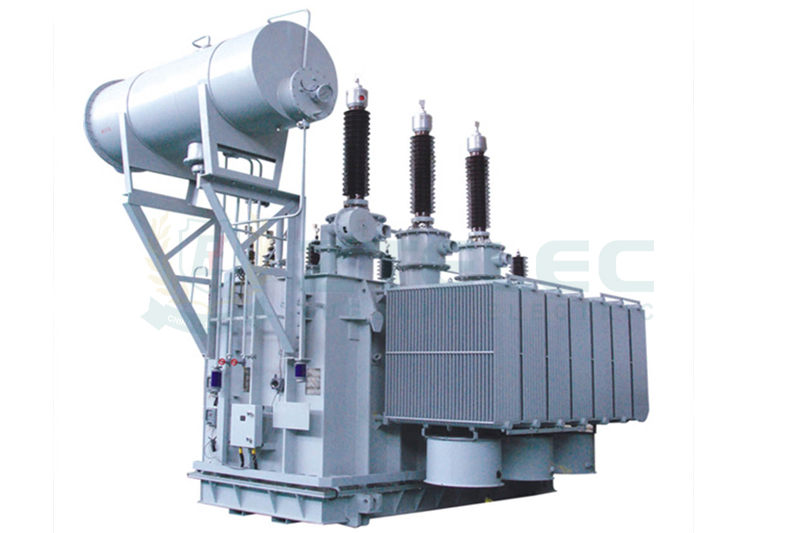
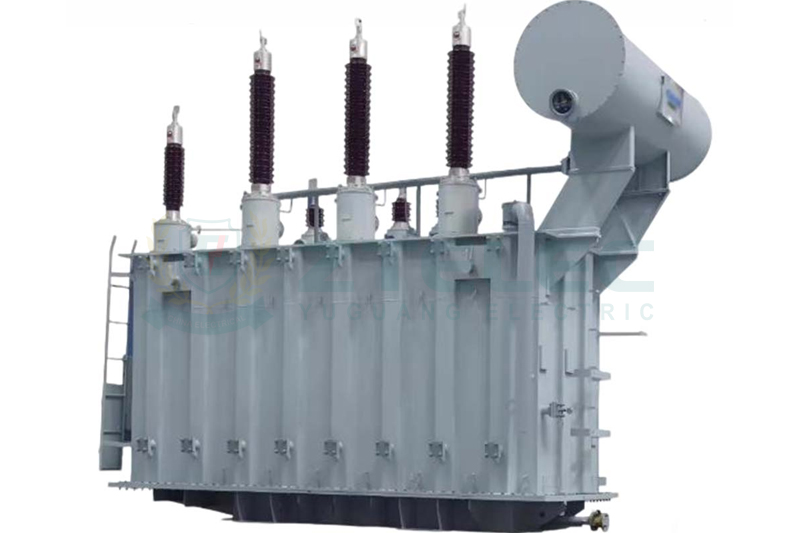
A transformer bushing is a special insulating device installed on the transformer tank cover. It allows winding leads to pass through the tank cover and connect to external lines. Bushings must withstand rated voltage, potential overvoltages, mechanical loads of conductors, and environmental factors like wind, rain, and pollution.
Core Functions of Transformer Bushings
Electrical Insulation: Ensures reliable insulation between high-voltage leads and the grounded transformer tank.
Mechanical Support: Fixes conductor positions and withstands electrical and mechanical stresses.
Sealing Protection: Prevents oil leakage and blocks moisture and contaminants from entering.
Current Conduction: Ensures efficient power transmission and minimizes energy loss.
Main Types of Transformer Bushings
By Insulation Medium:
Porcelain Bushings: Traditional, widely used, good weather resistance, suitable for conventional voltage levels.
Composite Bushings (Silicone Rubber): Lightweight, strong anti-flashover capability, ideal for harsh environments.
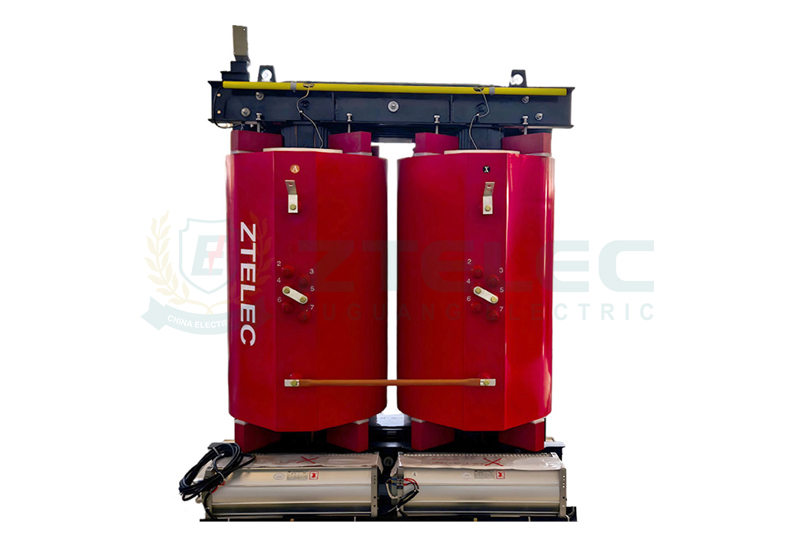
Resin-cast Bushings: Compact structure, high safety, mainly used in dry-type transformers.
By Structural Form:
Solid Bushings: Suitable for low or medium-low voltage applications.
Capacitive Bushings (OIP/RIP/RBP): Designed for medium-high and ultra-high voltage transformers.

Transformer Bushing Structure Analysis
High-voltage capacitive bushings typically include:
Conductive Rod: Copper or aluminum rod for current transmission.
Insulation System: Main insulation (oil paper or epoxy resin) and external insulation (porcelain or silicone rubber).
Capacitor Core: Alternating layers of insulating paper and aluminum foil to evenly distribute electric fields.
Flange: Connects and fixes the bushing to the transformer tank.
Oil Conservator (for oil-filled bushings): Adjusts insulating oil volume changes.
Measuring Terminals: Used for dielectric loss and capacitance testing.
Key Factors Affecting Transformer Bushing Performance
Insulation Material Quality: Paper, oil, epoxy resin, and composite material quality determine the withstand voltage.
Manufacturing Process: Capacitor screen design, vacuum impregnation, and curing impact service life.
Operating Environment: Humidity, salt spray, dust, and temperature variations affect performance.
Installation and Maintenance: Improper installation can cause premature failure.

Common Causes and Impacts of Bushing Failures
Common failures include insulation aging, seal failure, partial discharge, mechanical damage, and flashover.
Consequences may involve forced transformer shutdowns, internal short circuits, fires, explosions, and grid instability.
Maintenance and Monitoring of Transformer Bushings
Daily inspections involve visual checks for cracks or discharge marks, oil level monitoring for oil-filled bushings, surface cleanliness, and tight electrical connections.
Professional testing includes dielectric loss and capacitance measurement, oil chromatography, partial discharge detection, infrared thermometry, and ultrasonic testing.
Correct Selection of Transformer Bushings
Key selection points include ensuring rated voltage and current compatibility, suitable insulation class, environmental suitability, and compliance with IEC, IEEE, or GB standards. Proper selection improves reliability and reduces maintenance costs.
Although transformer bushings are small, they are essential for safe and reliable transformer operation. Proper selection, installation, operation, and maintenance are critical. As power grids evolve toward higher reliability and intelligence, understanding bushing principles, failure mechanisms, and maintenance strategies is essential to prevent faults, extend equipment life, and ensure stable power system operation.