Replacement Schedule for 35kV Transformers in Substations and Power Engineering Projects
Time:2025-12-26 Auther:ZTelec-www.ztelectransformer.com
In modern power systems, the replacement of 35kV transformers plays a vital role in ensuring grid stability, power quality, and operational safety. As transformers age, or as power engineering projects introduce higher efficiency and capacity requirements, a well-structured replacement schedule becomes essential. This guide provides a clear and practical timeline for 35kV transformer replacement in substations and power engineering projects, helping project managers reduce downtime, control risks, and achieve smooth power transitions.

Importance of 35kV Transformer Replacement
35kV transformers serve as key nodes in medium-voltage distribution networks, converting high-voltage electricity into levels suitable for industrial facilities, commercial buildings, and residential areas. Over time, insulation aging, core losses, and mechanical wear can significantly reduce transformer efficiency and reliability. Delayed replacement may lead to frequent outages, rising maintenance costs, and increased safety hazards. Timely replacement is therefore a fundamental requirement for maintaining the long-term reliability of substations and power engineering systems.
Common Reasons for Replacing 35kV Transformers
One of the primary drivers for transformer replacement is aging and technological obsolescence. The typical service life of a 35kV transformer ranges from 20 to 30 years. Beyond this period, performance degradation becomes increasingly evident, affecting voltage stability and system efficiency.
Another major factor is the rising failure rate of older transformers. Aging insulation systems and outdated protection designs significantly increase the risk of internal faults, which can disrupt continuous power supply and compromise grid safety.
Stricter energy efficiency and environmental regulations also accelerate replacement cycles. Many older 35kV transformers struggle to meet modern efficiency standards, noise limits, and environmental protection requirements, making upgrades unavoidable.
Load demand fluctuations driven by industrial expansion, renewable energy integration, and urban development can further necessitate transformer replacement. When existing equipment no longer matches actual load conditions, replacing the transformer becomes the most effective solution.

Standard Timeline for a 35kV Transformer Replacement Project
Phase 1: Project Preparation and Planning (Weeks 1–2)
This initial phase focuses on technical evaluation and administrative preparation. Engineers conduct a comprehensive assessment of the existing transformer condition, analyze current and future load demand, and define technical specifications for the new 35kV transformer. At the same time, internal approvals, grid connection permits, and safety or environmental clearances are processed to ensure regulatory compliance.
Procurement planning is also finalized during this stage. This includes transformer tendering or direct procurement, contract negotiations, and selection of qualified construction and installation service providers.
Phase 2: Transformer Delivery and Site Preparation (Weeks 3–5)
Once the contract is signed, the manufacturing and delivery of the new 35kV transformer begin. Standard models typically require a production cycle of two to three weeks, followed by transportation planning and logistics coordination to ensure safe delivery to the site.
In parallel, on-site preparation activities are carried out. These include work area isolation, implementation of safety protection measures, preparation of auxiliary equipment, and confirmation of the old transformer removal plan to avoid delays during the outage window.
Phase 3: Core Replacement Construction (Weeks 6–7)
This phase represents the most critical stage of the 35kV transformer replacement schedule. A planned power outage is executed according to safety procedures, followed by voltage verification and dismantling of the old transformer. The foundation is inspected and repaired if necessary to meet installation standards.
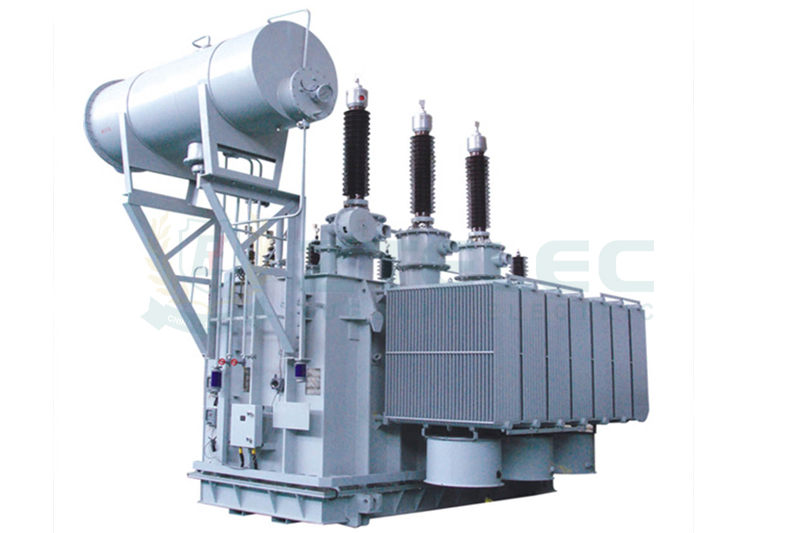
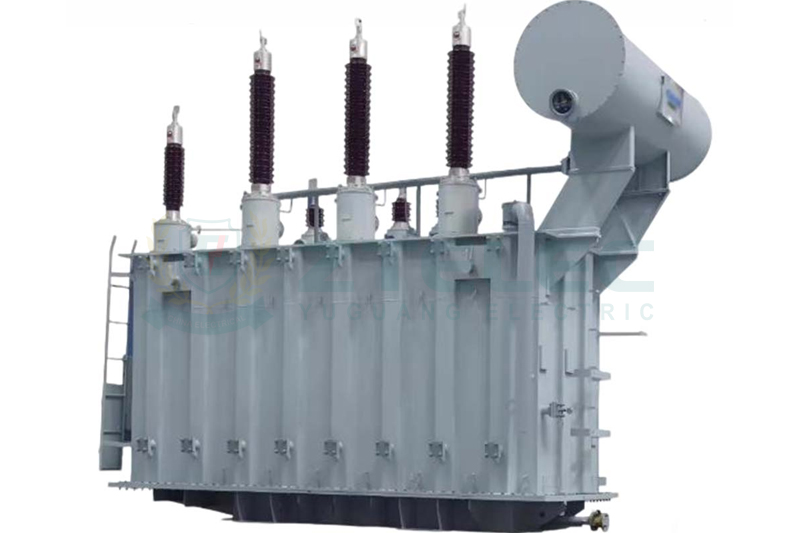
The new transformer is then positioned and secured, with accessories such as bushings, radiators, and cooling systems installed. For oil-immersed transformers, oil filling and treatment processes are completed under strict quality control.
Electrical connections on the primary and secondary sides are installed, protection systems are configured, and comprehensive commissioning tests are performed. These tests typically include insulation resistance measurement, turns ratio testing, and winding resistance verification.
Phase 4: Commissioning and Power Restoration (Week 8)
After installation, system commissioning begins with protection device setting and functional testing. No-load and load tests are conducted to verify operational stability. Once all parameters meet design requirements, coordination with the power grid operator enables formal power restoration.
A continuous monitoring period of 24 to 48 hours follows, during which operating data are recorded and analyzed to confirm reliable performance of the new 35kV transformer.
Phase 5: Project Completion and Acceptance (Weeks 9–12)
The final phase includes site cleanup, restoration of the working environment, and comprehensive documentation archiving. Project acceptance inspections are carried out to ensure compliance with technical specifications, safety standards, and contractual requirements.
The replacement of a 35kV transformer is a complex and highly coordinated process that directly impacts power system reliability. By following a structured replacement schedule, substations and power engineering projects can significantly reduce outage risks, improve operational efficiency, and enhance long-term grid stability. Successful planning requires careful consideration of equipment condition, system requirements, supply cycles, and external coordination factors, ensuring that transformer replacement tasks are completed safely, efficiently, and on schedule.