Why Does Replacing a 110kV Power Transformer Take Weeks or Even Months?
Time:2025-12-25 Auther:ZTelec-www.ztelectransformer.com
A 110kV power transformer is one of the most critical assets in a transmission and distribution system. It converts high-voltage electrical energy into lower voltage levels suitable for downstream networks, directly affecting grid stability and power supply reliability. In real-world projects, utilities and industrial operators often find that replacing a 110kV power transformer can take several weeks or even months. This extended timeline is driven by equipment complexity, strict safety requirements, comprehensive testing and commissioning procedures, as well as environmental and supply chain constraints.

1. Complexity of the 110kV Power Transformer
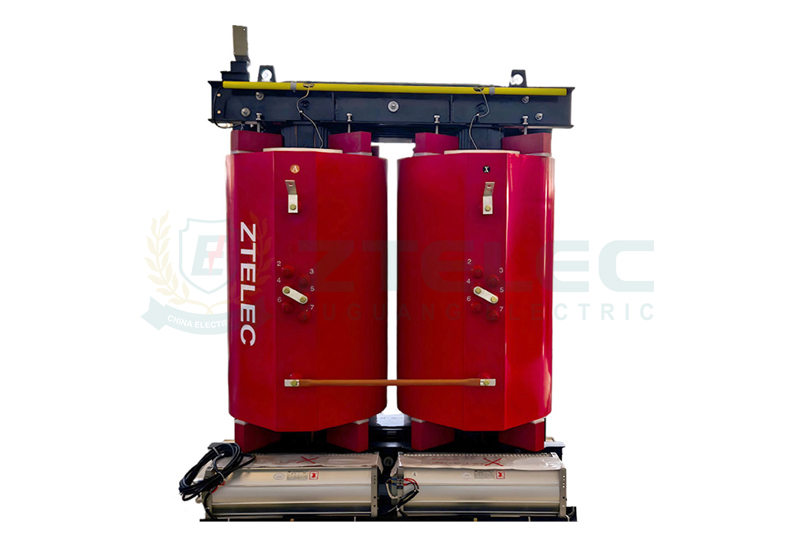
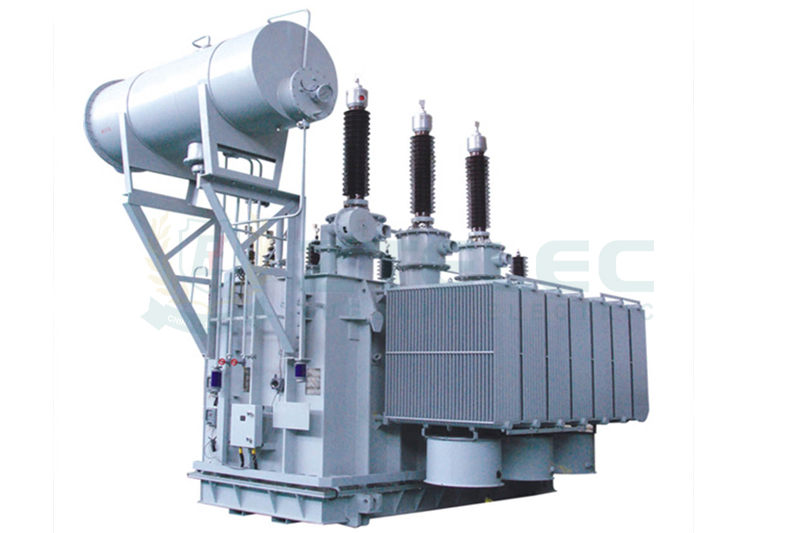
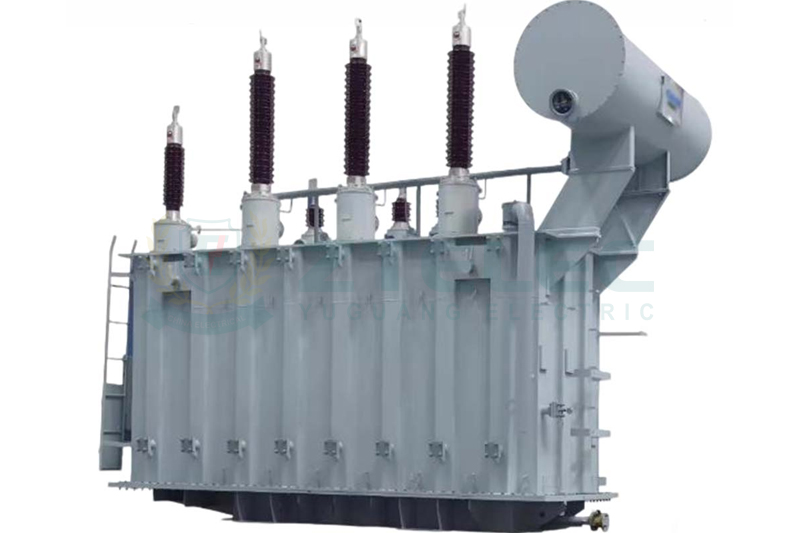
110kV power transformers are large-scale, heavy-duty electrical equipment designed to meet extremely high technical standards. They are not standalone components but integrated systems consisting of magnetic cores, windings, insulation systems, oil tanks, cooling units, and protection accessories.
Replacement requires specialized lifting equipment and highly trained personnel to ensure safe handling, precise positioning, and accurate assembly. In addition, transportation of the transformer, dismantling of the old unit, and on-site installation of the new equipment all demand careful planning and significant time investment.
2. Stringent Safety Control Measures
Safety is the top priority during 110kV power transformer replacement. High-voltage operations carry inherent risks, and even minor errors can result in serious accidents. As a result, all procedures must strictly comply with national standards, utility regulations, and site-specific safety protocols.
These safety measures include controlled work permits, grounding verification, isolation procedures, and continuous supervision. While essential, such precautions inevitably extend the overall project duration.
3. Comprehensive Testing and Commissioning Requirements
Handover and Acceptance Testing
After installation, the transformer must undergo mandatory acceptance tests in accordance with applicable standards such as GB 50150 or IEC requirements. These tests typically include winding DC resistance measurement, transformation ratio and polarity verification, insulation resistance and absorption ratio testing, dielectric loss factor assessment, and withstand voltage testing.
Partial discharge testing is particularly critical for 110kV power transformers, as it directly reflects insulation quality and long-term reliability. Any failure during testing requires fault analysis, corrective actions, and in some cases, factory-level repair, which can significantly delay project completion.
System Commissioning
System commissioning involves configuring protection relays, verifying interlocking logic, and integrating the transformer with SCADA and monitoring systems. Coordination tests ensure stable communication between the transformer and other grid components.
Depending on site conditions and grid complexity, commissioning may take several days or even weeks, especially when repeated parameter adjustments are necessary.
4. Impact of Weather and Environmental Conditions
Weather and environmental factors play an important role in transformer replacement schedules. Outdoor installations are particularly sensitive to heavy rain, extreme temperatures, high humidity, or strong winds. Unexpected environmental issues can temporarily suspend lifting, oil processing, or electrical testing activities, further extending project timelines.

5. Supply Chain and Logistics Constraints
110kV power transformers are typically customized products with long manufacturing cycles. Their delivery schedules are influenced by raw material availability, global supply chain fluctuations, and factory production capacity.
In addition, fully assembled transformers, including insulating oil, often weigh tens of tons and qualify as oversized and overweight cargo. Transportation requires specialized vehicles, approved routes, and compliance with bridge and road restrictions. Cross-border shipments further increase transportation and customs clearance time.
6. Complexity of Dismantling Existing Equipment
Removing an old 110kV transformer is often more complex than installing a new one. Long-term operation may result in corrosion, oil leakage, insulation aging, or structural degradation. These risks require cautious dismantling procedures, additional safety measures, and proper handling of waste oil and materials.
Environmental protection requirements also add time for disposal and cleanup activities.
7. System Optimization and Long-Term Grid Planning
Transformer replacement projects are frequently combined with system optimization initiatives. Utilities may adjust load distribution, upgrade protection schemes, or prepare for future capacity expansion. Engineering assessments and coordination with grid operators are necessary to ensure that the new transformer supports long-term operational reliability.
Replacing a 110kV power transformer is a time-intensive process that typically spans weeks or even months. Equipment complexity, safety management, rigorous testing, logistics challenges, and system integration all contribute to the extended timeline.
Prioritizing speed over quality during transformer replacement can compromise safety and service life. Hidden issues such as insulation weakness or excessive partial discharge may not appear immediately but can lead to serious failures during long-term operation. Strict adherence to installation and testing procedures is essential to ensure reliable performance over a service life of 20 to 30 years.