Box Type Substation Supplier: Prefabricated Solutions for Utilities
Time:2026-10-9 Auther:ZTelec-www.ztelectransformer.com
Utilities face a familiar challenge. Demand grows, land is limited, and projects must be energized faster than traditional civil-built substations allow. A box type substation answers all three problems in one factory-built package.
This guide explains what a box type substation is, how it is built, where utilities use it, and how to choose a supplier you can trust for the long term.

What Is a Box Type Substation?
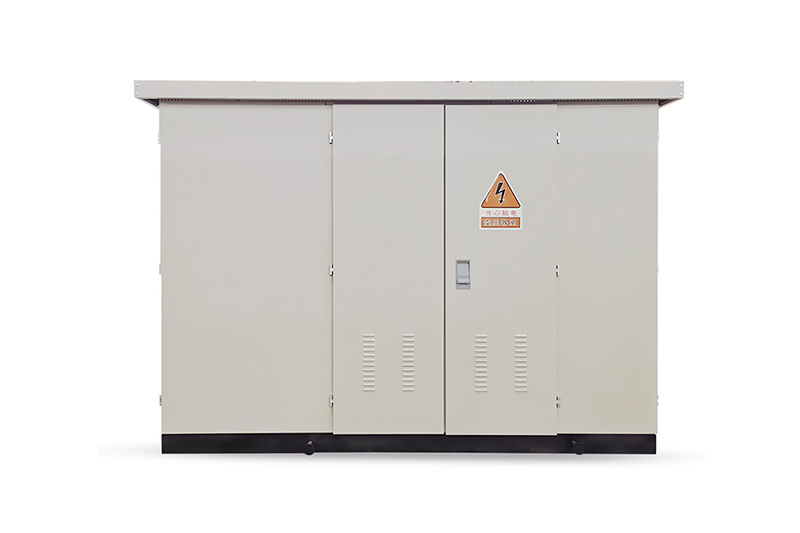
A box type substation, also called a prefabricated substation, compact substation or packaged substation, is a complete power distribution unit assembled inside a single weatherproof enclosure. It is built and tested in the factory, then transported to site as a ready-to-connect unit.
It combines three main parts: medium voltage switchgear, a distribution transformer, and low voltage distribution panels. Auxiliary systems such as ventilation, lighting, grounding and fire protection are also included.
How It Differs from a Conventional Substation
A conventional substation needs a brick or concrete building, separate foundations for each device, and long on-site wiring work. A box type substation replaces most of that with one skid or base frame and one set of site connections.
This change reduces civil work, shortens commissioning, and lowers the risk of installation errors.
Main Components Inside a Box Type Substation
Medium Voltage Compartment
The medium voltage side typically holds a ring main unit or compact switchgear. It handles incoming power, load switching and protection. Common voltage levels are 10kV, 11kV, 20kV and 33kV.
Transformer Compartment
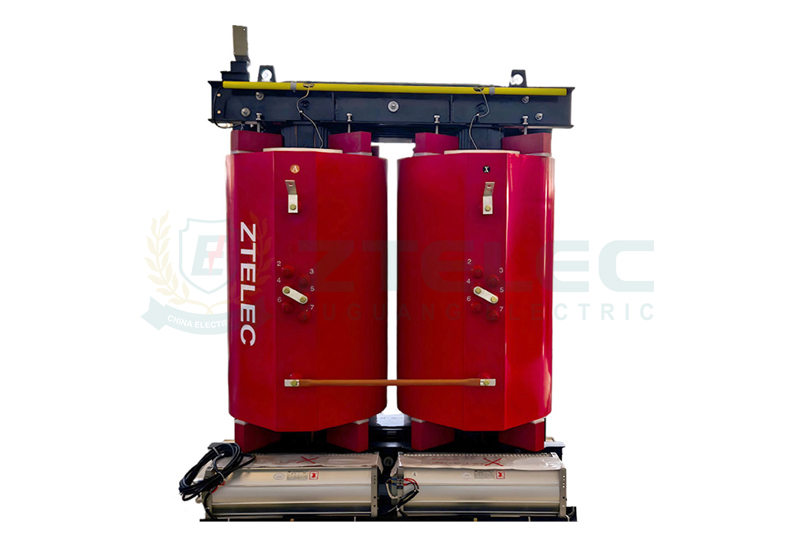
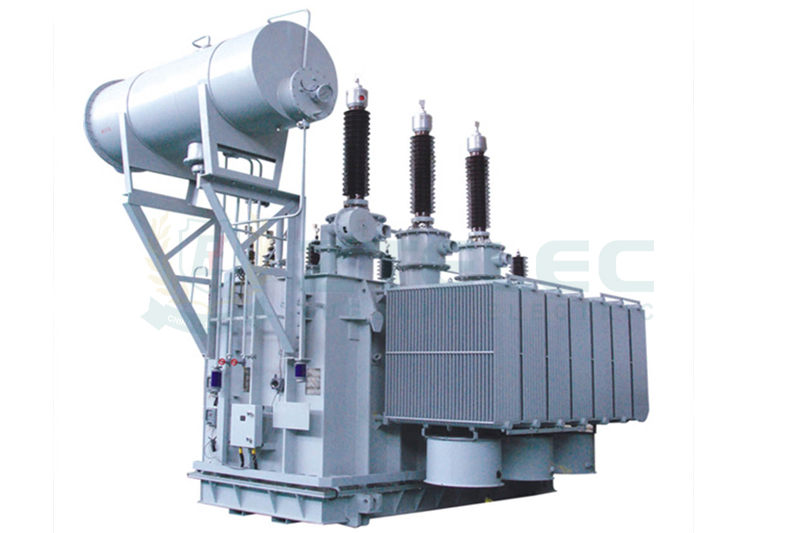
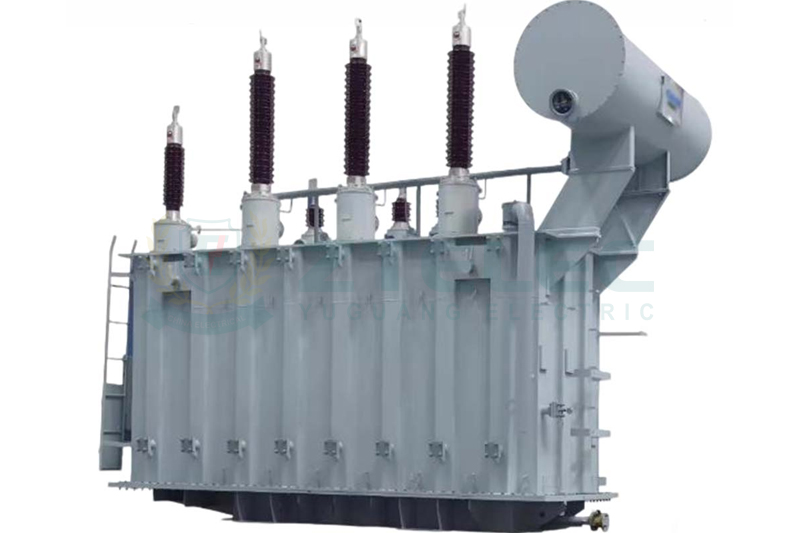
The transformer steps the voltage down to the level used by customers, often 400V or 415V. Utilities can choose oil immersed transformers, cast resin dry type transformers, or amorphous alloy transformers for lower no-load loss.
Low Voltage Compartment
The low voltage panel distributes power to feeders. It includes circuit breakers, fuses, metering, surge protection and, where needed, reactive power compensation.
Enclosure and Auxiliary Systems
The enclosure is made from galvanized steel, aluminum-zinc coated steel, stainless steel or composite panels. Insulation layers, forced ventilation and temperature control keep the equipment stable in hot or cold climates.
Common Types of Box Type Substations
European Style Box Substation
This design separates the high voltage, transformer and low voltage compartments in a rectangular layout. It offers easy maintenance and strong thermal performance, and it suits larger capacities.
American Style Box Substation
This type places the transformer and high voltage load switch together, often with the oil tank outside or in a compact arrangement. It is smaller and lower in cost, which suits residential areas and light commercial loads.
Pad-Mounted and Skid-Mounted Units
Pad-mounted units sit on a concrete pad and are used in public spaces with tamper-resistant doors. Skid-mounted units are built on a steel base for fast relocation, which helps mining, construction and temporary power projects.
Typical Technical Specifications
The values below are common ranges. Final ratings depend on the project, the local grid code and the manufacturer’s tested designs.
| Parameter | Typical Range |
|---|---|
| Primary voltage | 6kV to 35kV |
| Secondary voltage | 0.4kV, 0.415kV, 0.69kV |
| Transformer capacity | 100kVA to 2500kVA (larger on request) |
| Frequency | 50Hz or 60Hz |
| Enclosure protection | IP33 to IP54, depending on design |
| Cooling | Natural air or forced ventilation |
| Installation | Outdoor, ground or pad mounted |
| Applicable standards | IEC 62271-202, IEC 60076, IEC 62271-200, GB/T 17467 |
Why Utilities Choose Prefabricated Substations
Faster Delivery and Energization
Because assembly and testing happen in the factory, site work is limited to placing the unit, connecting cables and final checks. Many projects are energized in days instead of months.
Smaller Footprint
A compact design saves land, which is valuable in cities, industrial parks and densely built areas. Some units occupy less than a third of the space of a traditional substation.
Lower Total Project Cost
Less civil work, fewer site workers and shorter schedules reduce the total cost. Predictable factory pricing also makes budgeting easier for utility planners.
Improved Safety and Quality
Factory assembly follows controlled procedures. Each unit goes through routine tests before shipment. Internal partitions, interlocks and grounding reduce risk for operators and the public.
Flexibility and Scalability
Units can be added, moved or replaced as the network grows. This modular approach suits utilities that need to expand step by step.
Utility Applications
Urban Distribution Networks
Cities use box type substations along roads, in parks and near residential blocks to feed local loads. Low-noise designs and attractive enclosures help them blend into the surroundings.
Rural Electrification
In remote regions, prefabricated substations can be transported to site and put into service quickly. They help utilities extend power to villages without building complex infrastructure.
Renewable Energy Projects
Solar and wind farms use box type substations to step up or step down voltage at inverter stations and collector points. Skid designs allow quick deployment across large sites.
Industrial Parks and Infrastructure
Factories, ports, airports, railways and data centers depend on stable power. Prefabricated units provide a compact way to supply these loads.
Temporary and Emergency Power
After a disaster or equipment failure, mobile skid substations restore supply quickly. They are also useful during construction, when permanent infrastructure is not ready.

How to Choose a Box Type Substation Supplier
The right supplier affects both project success and the lifetime cost of the asset. Review these points carefully.
Proven Experience with Utilities
Ask for reference projects with utilities or grid operators in similar climates and voltage classes. Experience with tender documents and local grid codes is a strong advantage.
Complete Type Test Reports
A reliable supplier can provide type test reports from independent laboratories. Key tests include temperature rise, dielectric strength, short-circuit withstand, internal arc and enclosure protection.
In-House Manufacturing Capability
Suppliers that make transformers, switchgear and enclosures in their own factories have better control over quality and delivery time. Visit the factory if possible, or request a virtual audit.
Customization Ability
Every utility has different requirements. Look for a supplier that can adjust the layout, ratings, color, protection scheme and communication system to match your specification.
Quality Management and Certification
Check for ISO 9001, ISO 14001 and ISO 45001 systems. Certificates are not enough on their own, so also ask how quality is checked at each production stage.
After-Sales Service and Spare Parts
Substations operate for decades. Confirm warranty terms, response time, spare parts availability and remote technical support before placing an order.
Key Design Considerations
Sizing the Transformer
Start with the connected load, expected growth and diversity factor. Leave a reasonable margin, but avoid oversizing. A transformer that runs at very low load wastes energy through no-load losses.
Choosing the Layout
Space, cable entry direction and operator access shape the layout. Utilities often prefer a design with front access to every compartment, so crews can work safely without moving the unit.
Noise and Environmental Impact
Substations near homes need low noise levels. Choose low-loss transformers, vibration dampers and acoustic panels where needed. For oil-filled units, include an oil containment pit to protect soil and groundwater.
Cooling and Ventilation
Heat is the main enemy of insulation. The enclosure should have natural airflow, or fans and thermostats for hot regions. In very dusty or humid sites, filtered ventilation and heaters help protect equipment.
Fire Safety and Arc Protection
Look for pressure relief, arc-resistant switchgear and fire barriers. For indoor or sensitive sites, a dry type transformer reduces fire risk. Alarm and trip circuits should be tested during commissioning.
What Affects the Price of a Box Type Substation?
Price is never based on kVA alone. Several factors shape the final quotation, so compare offers on the same technical basis.
Transformer type and capacity usually make up the largest share. Medium voltage switchgear brand, relay protection, enclosure material and thickness, and the level of automation also change the cost. Special requirements such as high altitude, corrosion protection or arc-resistant design add further cost.
Shipping, packing, taxes and local certification should be included in the total budget. The lowest quote may hide weaker materials, so always review the bill of materials.
Factory Testing and Quality Control
Before shipment, each substation should pass routine tests. These normally include visual inspection, wiring checks, insulation resistance measurement, power frequency withstand, transformer ratio and loss tests, and mechanical operation of the switchgear.
Ask for a factory acceptance test, either in person or by video. A signed test report should travel with the unit.
Documentation You Should Receive
A professional supplier delivers more than hardware. Expect general arrangement drawings, single line diagrams, wiring diagrams, a bill of materials, test reports, and operation and maintenance manuals.
Clear documentation speeds up approval by the utility, simplifies training, and makes future repairs easier. Ask for these documents early, ideally before production starts.
Installation and Commissioning Tips
Prepare a level concrete foundation with cable trenches and proper drainage. Confirm the transport route, crane capacity and lifting points in advance.
After placement, connect the grounding system and measure its resistance. Then connect the cables, check the settings of protection relays, and complete insulation tests before energizing. A staged commissioning plan reduces risk.
Maintenance Best Practices
Inspect the unit at least once a year. Clean ventilation openings, check seals and doors, and test thermal protection. For oil transformers, review oil level and sample the oil periodically.
Thermal imaging of connections helps detect loose joints early. Smart monitoring of temperature, load and humidity can further reduce unplanned outages.
Frequently Asked Questions
What is the typical lifespan of a box type substation?
With correct selection and maintenance, a well-built unit can serve for 25 years or more. Enclosure coating and climate conditions have a strong effect on lifespan.
Can a box type substation be installed in extreme climates?
Yes. Special insulation, heating, cooling, anti-corrosion coatings and sand or dust protection can be added for deserts, coastal areas and cold regions.
How long does delivery usually take?
Lead time depends on capacity, customization and production schedule. Many standard designs ship within several weeks, while complex projects may take longer.
Can the substation be connected to a smart grid?
Yes. Modern units support remote monitoring and control through protocols such as IEC 61850, Modbus and DNP3.
Is it better to choose oil or dry type transformers?
Oil immersed transformers are cost-effective and efficient for outdoor use. Dry type transformers suit places with strict fire safety rules, such as indoor sites and buildings.
A box type substation gives utilities a faster, safer and more compact route to reliable power distribution. The advantages are clear, but results depend on choosing a capable supplier.
Define your voltage, capacity and site conditions, request full test documentation, and compare manufacturers on quality, experience and service. The right partner will deliver a prefabricated solution that performs well for decades.