SCB13 Cast Resin Dry Type Transformer: Specifications & Price
Time:2026-09-30 Auther:ZTelec-www.ztelectransformer.com
The SCB13 is one of the most requested cast resin dry type transformers in commercial and industrial projects. It is safe, low maintenance and energy efficient.
This guide explains what SCB13 means, its main specifications, how it compares with older models, and what affects its price. Use it to prepare a clear inquiry and compare suppliers with confidence.

What Is an SCB13 Transformer?
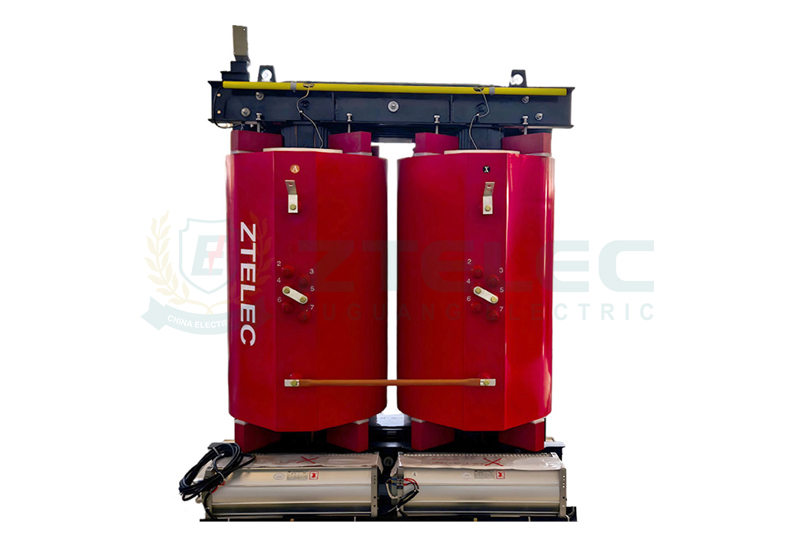
SCB13 is a model code for a three-phase, epoxy cast resin dry type power transformer with a low-loss design. It is widely used for distribution from 6 kV to 35 kV systems down to 400 V.
The unit has no insulating oil. Its high voltage winding is encapsulated in epoxy resin under vacuum, which gives strong insulation, flame resistance and good short-circuit strength.
SCB13 Model Code Explained
Each letter has a meaning. S stands for three-phase. C means cast resin insulation. B indicates that the low voltage winding uses copper or aluminum foil. The number 13 is the performance level, which reflects loss values.
A higher number generally means lower losses. That is why SCB13 is often chosen for projects where energy cost and efficiency targets matter.
Main SCB13 Specifications
Exact values depend on the design and the standard requested, but the ranges below are typical for export models.
Rated Capacity
Common ratings run from 100 kVA to 2500 kVA, with larger units up to 3150 kVA or more available on request. Popular sizes include 315, 500, 630, 800, 1000, 1250, 1600 and 2000 kVA.
Rated Voltage
High voltage is usually 6, 6.3, 10, 10.5 or 11 kV, and can extend to 20 kV or 35 kV for special designs. Low voltage is commonly 0.4 kV, and other values such as 0.38, 0.415 or 0.69 kV are also possible.
Frequency and Phase
Standard frequency is 50 Hz, and 60 Hz versions are available for export markets. The unit is three-phase.
Vector Group
Dyn11 is the most common choice because it handles unbalanced loads well and limits third harmonic effects. Yyn0 is also offered when the project requires it.
Short-Circuit Impedance
Typical impedance is 4% for ratings up to 1600 kVA and 6% for larger units. Some projects specify different values to control fault current, so state your requirement early.
Tapping Range
The off-circuit tap changer on the high voltage side usually offers plus or minus 2 x 2.5% or plus or minus 5%. This helps adjust output voltage to match grid conditions.
Insulation Class and Temperature Rise
Most SCB13 transformers use Class F insulation with a temperature rise of 100 K. Class H insulation with a 125 K rise is available for higher temperature or overload needs.
Ambient conditions matter. Typical ratings assume a maximum ambient of 40 degrees Celsius and an altitude below 1000 meters. Higher altitude or heat may require derating or a special design.
Losses and Energy Efficiency
Low loss is the main reason to choose SCB13 over older models. It uses high-grade grain-oriented silicon steel in the core, which reduces no-load loss.
Load loss is controlled by copper quality and winding design. Losses vary by capacity and by standard, such as GB 20052 or regional efficiency rules, so always request guaranteed loss values in your quotation.
Lower losses save money over the transformer life. For a unit running continuously, even a small reduction in no-load loss can offset a higher purchase price within a few years.
Cooling Method and Enclosure
Standard cooling is AN, meaning natural air cooling. AF, or forced air cooling with fans, can increase the short-term overload capacity by about 30% to 40%.
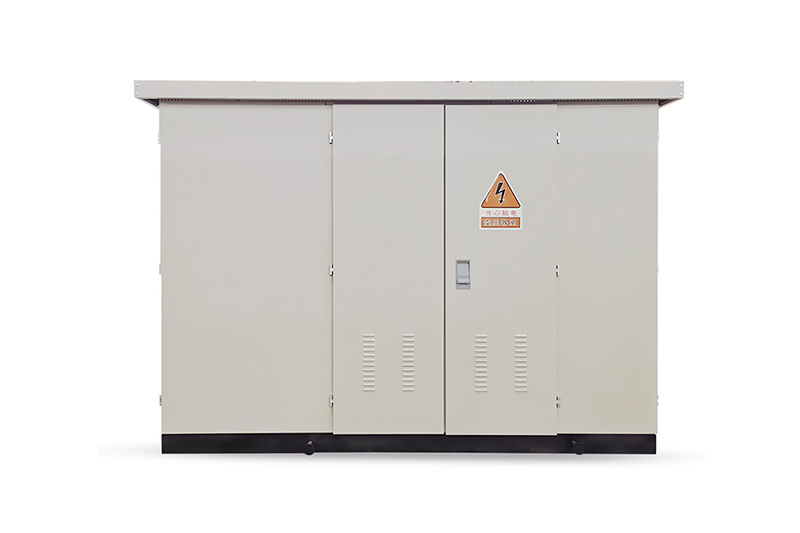
Most units come with a protective enclosure rated IP20 for indoor use. IP23 or higher enclosures are available for dusty or semi-outdoor spaces. Fans, temperature controllers and sensors are usually included for AF models.
Noise Level and Partial Discharge
Sound level is typically below 60 to 65 dB depending on capacity, which suits commercial buildings and hospitals. Low-noise designs are available when the site requires quieter operation.
Partial discharge is a key quality indicator for cast resin coils. Well-made SCB13 units usually guarantee a very low level, often 10 pC or less at the specified test voltage.
Standards and Testing
SCB13 transformers are commonly built to IEC 60076-11 and the Chinese national standards GB 1094.11 and GB/T 10228. Some suppliers also meet ANSI, IEEE or local standards on request.
Routine tests include winding resistance, ratio and vector group, no-load and load loss, applied voltage, induced voltage and partial discharge. Type test reports for temperature rise, impulse and short circuit should be available.
Typical Applications
SCB13 units serve places where safety and reliability come first. Common uses include high-rise buildings, shopping malls, data centers, hospitals, airports, subway stations, factories and renewable energy projects.
They are also popular in ships, offshore platforms and tunnels, where fire risk must be minimized. The absence of oil removes leakage and pollution concerns.
Advantages of SCB13 Transformers
First, safety. The epoxy resin is flame retardant and self-extinguishing, so fire risk is low. Second, low maintenance. Regular dust cleaning and inspection are usually enough.
Third, compact size and easy installation. Dry type units can be placed close to the load center, which shortens cables and reduces line losses. Fourth, good moisture and dust resistance when properly specified.
SCB13 vs SCB10 and SCB11
Compared with SCB10 and SCB11, SCB13 has lower no-load loss and improved load loss. This comes from better core material, refined core structure and improved winding design.
The purchase price is slightly higher, but energy savings often justify it. In regions with strict efficiency rules, older grades may no longer meet requirements, so SCB13 or higher is the safer choice.

SCB13 Transformer Price Overview
SCB13 price depends on capacity, voltage, loss level, materials, enclosure and order quantity. Prices change with copper, silicon steel and resin costs, so any figure is only a guide.
As a rough reference for standard 10 kV to 0.4 kV units with copper windings and an IP20 enclosure, factory prices often fall in the following ranges. A 100 kVA unit may cost about USD 3,000 to 5,000. A 500 kVA unit may cost about USD 7,000 to 11,000.
A 1000 kVA unit may cost about USD 11,000 to 17,000, and a 2000 kVA unit about USD 20,000 to 30,000. These are indicative ranges only and do not include freight, insurance or taxes.
Factors That Affect SCB13 Price
Raw materials are the biggest factor. Copper and silicon steel together make up most of the cost, and their market prices move often.
Other factors include the loss level you require, the enclosure protection grade, fans and temperature controllers, special tap ranges, higher insulation class and testing requirements. Witnessed tests and third-party inspection also add cost.
Aluminum winding versions cost less but have different size, loss and reliability characteristics, so compare them carefully.
Information Needed for an Accurate Quotation
To get a precise quote quickly, send these details: rated capacity, primary and secondary voltage, frequency, vector group, impedance, tap range, insulation class and cooling method.
Also include the enclosure protection level, applicable standard, altitude and ambient temperature, quantity and delivery port. The more complete your inquiry, the fewer revisions you will face.
Tips for Choosing the Right SCB13 Transformer
Start with the real load. Size the transformer so that normal operation sits at about 60% to 80% of rated capacity, which balances efficiency and margin for growth.
Check the environment. Humid, dusty or coastal sites may need a higher enclosure rating and extra protection. Then compare guaranteed loss values, not just prices, and ask for test reports.
Installation and Maintenance Basics
Install the transformer in a ventilated room with enough clearance around the unit. Good airflow is essential because the transformer relies on air for cooling.
Maintenance is simple. Clean dust from coils and vents, check terminal tightness, inspect temperature sensors and test insulation resistance periodically. Following the manual extends service life well beyond 20 years.
Core and Winding Construction
The core is built from cold-rolled grain-oriented silicon steel with a step-lap joint. This design reduces magnetic leakage, no-load current and noise.
The low voltage winding is a foil coil, which spreads current evenly and gives strong resistance to axial short-circuit forces. The high voltage winding is wound in layers or discs and then cast in epoxy resin under vacuum for reliable insulation.
Protection and Monitoring Options
Most SCB13 units include PT100 temperature sensors in the low voltage coils, connected to a digital temperature controller. It can start fans automatically, send alarms and trip the breaker at a set limit.
Optional accessories include lightning arresters, on-load or off-load tap changers, vibration pads, auxiliary contacts and remote monitoring interfaces. Add them at the inquiry stage so the price and layout are correct from the start.
Common Buying Mistakes to Avoid
One common mistake is comparing quotes without matching loss levels. Two SCB13 units at different prices may have very different guaranteed losses and material quality.
Another mistake is ignoring site conditions such as humidity, altitude and ventilation. A transformer that is perfect on paper can overheat or age early if the room is poorly cooled.
Finally, do not skip document checks. Ask for drawings, test reports and warranty terms before placing the order, and confirm packing and shipping terms in writing.
Warranty and After-Sales Support
Most manufacturers offer a warranty of 12 to 24 months after commissioning, and some extend it for larger projects. Confirm what the warranty covers and how claims are handled.
Good suppliers also provide installation guidance, spare parts and quick technical replies. Ask for contact details of the support team before you order.
Frequently Asked Questions
Is SCB13 the same as SCBH15?
No. SCB13 uses a silicon steel core. SCBH15 uses an amorphous alloy core, which has even lower no-load loss but usually costs more.
Can SCB13 be used outdoors?
Yes, with a suitable outdoor enclosure and proper protection against rain, dust and direct sunlight. Confirm the IP rating with your supplier.
What is the typical lead time?
Standard sizes often ship in about 3 to 6 weeks. Custom designs and large orders may take longer.
Choose SCB13 for Safe, Efficient Power
The SCB13 cast resin dry type transformer offers a strong balance of safety, efficiency and lifetime value. Understanding its specifications and price drivers helps you write a clear inquiry and avoid costly mistakes.
Send your capacity, voltage and standard requirements to a qualified manufacturer, and request guaranteed losses and test reports. This is the fastest way to get a reliable quotation and a transformer that fits your project.