Buying a 33kV to 11kV Step Down Dry Type Transformer | Sizing, Efficiency & Standards
Time:2025-12-24 Auther:ZTelec-www.ztelectransformer.com
Selecting a 33kV to 11kV step-down dry-type transformer requires careful evaluation of multiple technical and economic factors. As a key component in power distribution systems, the transformer directly influences system reliability, operational efficiency, and long-term energy costs.
This guide focuses on three essential aspects of transformer selection: physical sizing and layout, operating efficiency and energy consumption, and compliance with international standards.

Why Choose a 33kV to 11kV Dry-Type Transformer
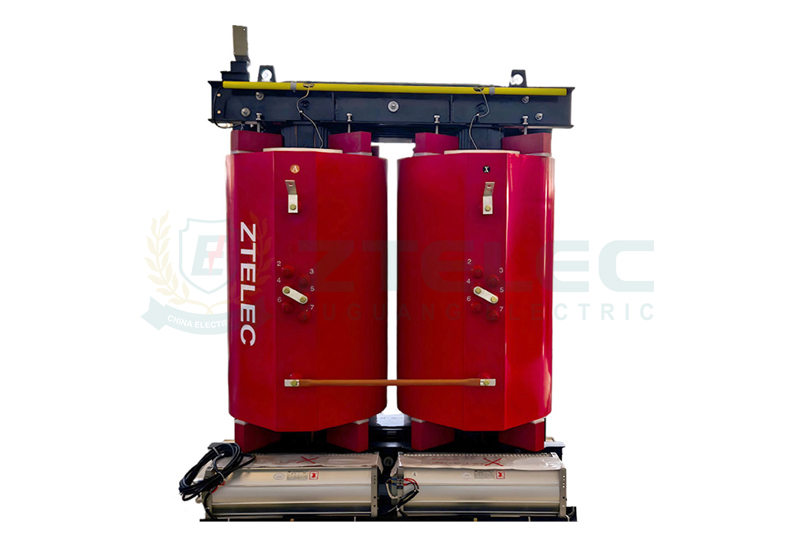
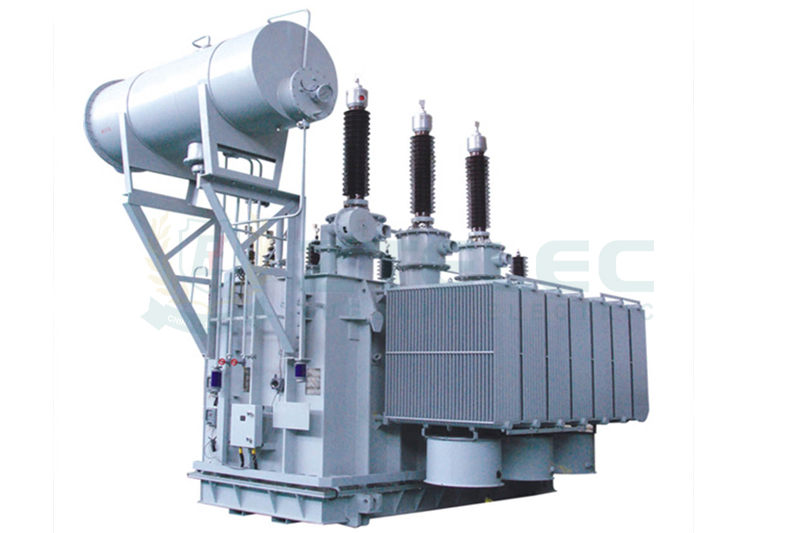
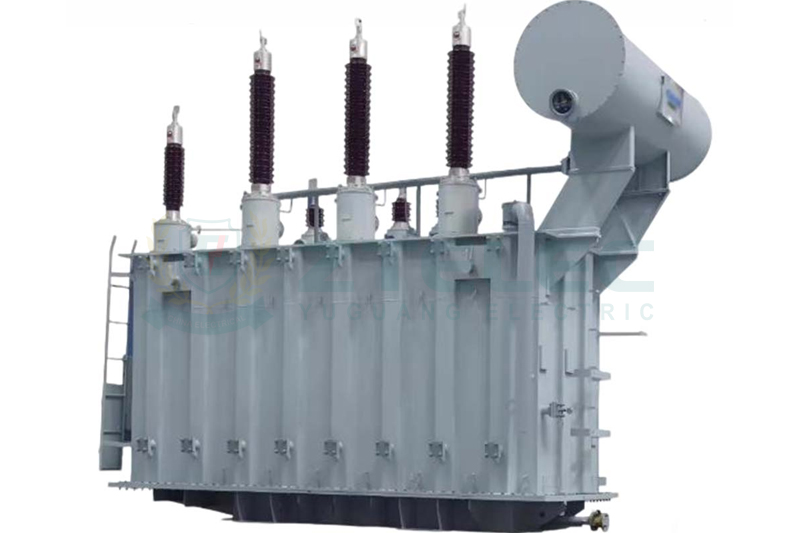
In modern power systems, 33kV is widely used as the input voltage for regional distribution networks, while 11kV serves as the standard distribution voltage for industrial and commercial applications. Dry-type transformers have become increasingly popular compared to oil-immersed units, particularly in environments requiring enhanced fire safety and environmental protection.
With features such as flame-retardant insulation, low environmental impact, and minimal maintenance requirements, dry-type transformers are ideal for indoor installations, high-rise buildings, subways, hospitals, and data centers.
Transformer Dimensions and Structural Considerations
The size and structure of a dry-type transformer depend on rated capacity, cooling method, enclosure protection level, and internal configuration. Proper planning of installation space is essential to ensure safe operation and efficient heat dissipation.
Typical Dimension Reference
1000 kVA: Approx. 1800 × 1200 × 1800 mm, weight around 2.5–3.5 tons.
2500 kVA: Approx. 2200 × 1500 × 2200 mm, weight around 4–6 tons.
5000 kVA: Approx. 2800 × 1800 × 2600 mm, weight around 7–10 tons.
Key Factors Affecting Transformer Size
Cooling method plays a significant role, with AN (natural air cooling) and AF (forced air cooling) designs affecting overall dimensions. Protection levels such as IP00, IP20, or IP23 also influence enclosure size. Additionally, winding materials like copper or aluminum and auxiliary systems such as fans or temperature controllers contribute to structural variations.
For optimal installation, it is recommended to obtain detailed layout drawings from the manufacturer during the early design stage. Adequate maintenance space, typically at least 1.5 times the transformer width, should be reserved to ensure ventilation and ease of inspection.
Operating Efficiency and Energy Performance
Efficiency is one of the most important factors when evaluating a transformer. Since transformers operate continuously, even a small improvement in efficiency can lead to substantial energy savings over the equipment’s service life.
Types of Transformer Losses
No-load loss, also known as core loss, is determined by the magnetic properties of the core material and remains constant regardless of load conditions. High-quality silicon steel or amorphous alloy cores can significantly reduce this loss.
Load loss, or copper loss, depends on the electrical resistance of the windings and increases with load. Using high-purity copper conductors helps minimize resistance and improve efficiency.
Benefits of High-Efficiency Design
High-efficiency transformers, including those with amorphous alloy cores or top-tier energy ratings, may involve higher initial investment. However, these costs are typically offset within 3 to 5 years through reduced energy consumption.
For large-capacity transformers such as 33kV/11kV units, it is advisable to compare efficiency performance at both full load and partial load conditions, such as 75% loading, and request certified test reports from suppliers.

Compliance Standards and Certifications
Compliance with international and regional standards is essential when purchasing dry-type transformers. Ensuring certification not only guarantees product quality but also ensures smooth project approval and grid integration.
Key Standards
IEC 60076 series defines global requirements for power transformers, with IEC 60076-11 specifically addressing dry-type transformer design, insulation, and thermal performance.
GB/T 10228 applies to the Chinese market and outlines technical requirements for dry-type transformers. IEEE/ANSI C57 standards are commonly used in North America.
Common Certifications
CE certification is required for the European market, while UL certification is essential for applications in the United States. ISO 9001 certification ensures that the manufacturer follows internationally recognized quality management practices.
Critical Performance Tests
Temperature rise testing verifies that transformer windings operate within safe thermal limits under full load conditions. Partial discharge testing ensures insulation integrity, with values typically required to remain below 10 pC for medium-voltage equipment.
Short-circuit withstand testing confirms the transformer’s ability to handle mechanical and thermal stresses caused by fault currents without damage or deformation.
When selecting a 33kV to 11kV dry-type step-down transformer, it is important to evaluate not only technical specifications but also long-term performance, efficiency, and compliance. Differences in design quality, certification completeness, and energy efficiency can significantly impact overall project success.
Working with an experienced transformer manufacturer ensures access to customized solutions, verified test data, and reliable delivery. For complex projects, direct communication with technical engineers can help optimize system design and reduce lifecycle costs.
We provide tailored transformer solutions, including non-standard sizing and full compliance with international certifications. Submit your project requirements to receive a detailed technical proposal and quotation.