Cast Resin Dry Type Transformer: Global Procurement Price, Specifications & Buyer’s Guide
Time:2026-06-1 Auther:ZTelec-www.ztelectransformer.com
Why Cast Resin Dry Type Transformers Are the Preferred Choice in 2026
As global industries place greater emphasis on safety, environmental sustainability, and operational reliability, cast resin dry type transformers have become one of the most widely specified power distribution solutions worldwide. From hyperscale data centers in North America to metro rail projects in Asia and renewable energy installations in Europe, the demand for epoxy resin encapsulated transformers continues to grow.
Unlike conventional oil-filled transformers, cast resin transformers eliminate the risk of oil leakage, reduce fire hazards, and require minimal maintenance throughout their service life. These advantages make them particularly attractive for indoor installations, public infrastructure, and environmentally sensitive locations.
For EPC contractors, consultants, utility companies, industrial facilities, and transformer distributors, understanding cast resin transformer specifications, pricing structures, certification requirements, and supplier evaluation criteria is essential for successful procurement.
This comprehensive guide explains everything global buyers need to know before sourcing a cast resin dry type transformer in 2026.

What Is a Cast Resin Dry Type Transformer?
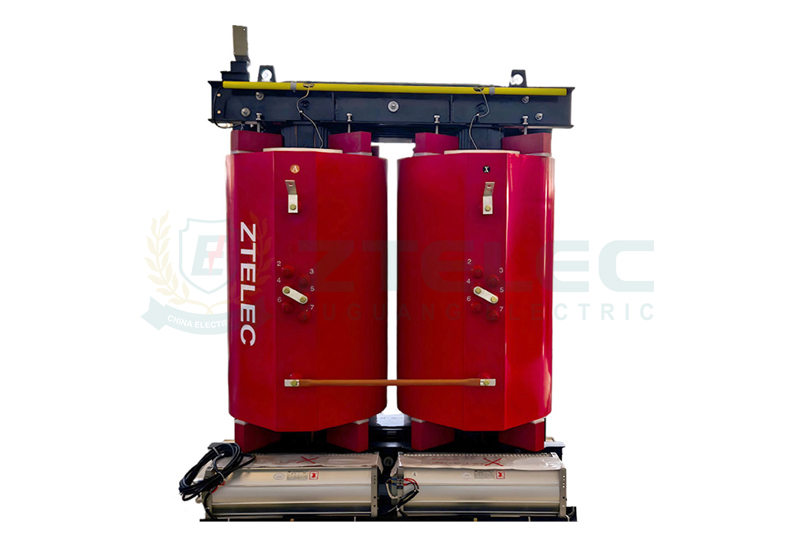
A cast resin dry type transformer is a transformer whose high-voltage and low-voltage windings are completely encapsulated in epoxy resin through a vacuum casting process. The cured resin forms a solid insulation structure that protects the windings from moisture, dust, chemical contamination, and mechanical stress.
Unlike oil-immersed transformers that rely on insulating liquid for cooling and dielectric performance, cast resin transformers use air cooling and resin insulation to achieve excellent electrical performance while maintaining a completely oil-free design.
The vacuum casting process creates a hermetically sealed winding system that significantly improves environmental resistance and operational reliability.
Three major advantages define the market position of cast resin transformers:
Superior Fire Safety: Cast resin transformers can achieve IEC 60076-11 E2, C2, and F1 classifications. F1-rated transformers are self-extinguishing and produce minimal toxic emissions during fire incidents.
Outstanding Environmental Resistance: Fully encapsulated windings withstand humidity, condensation, dust, salt spray, and industrial pollution far better than conventional dry-type technologies.
Low Maintenance Requirements: No insulating oil means no oil testing, filtration, replacement, or leakage risks, reducing maintenance costs significantly throughout the transformer lifecycle.
Standard Technical Specifications of Cast Resin Transformers
Before requesting quotations from suppliers, buyers should clearly define technical specifications to ensure accurate pricing and comparable proposals.
Rated Capacity Range
Standard cast resin transformers are available from 50 kVA to 3150 kVA for distribution applications. Custom-designed units can reach capacities above 25 MVA for industrial and utility projects.
Primary Voltage Ratings
Common primary voltages include 6 kV, 10 kV, 11 kV, 13.8 kV, 15 kV, 20 kV, 24 kV, 33 kV, and 35 kV. Customized voltage configurations can be manufactured to meet local grid requirements.
Secondary Voltage Ratings
Standard secondary voltages include 400 V, 415 V, 480 V, 690 V, and 11 kV. Custom secondary voltages are available for specialized industrial applications.
Insulation Class
Class F insulation (155°C) remains the industry standard for most commercial and industrial installations. Class H insulation (180°C) is commonly specified for high ambient temperatures, high-altitude locations, and continuous heavy-load applications.
Cooling Methods
AN (Air Natural) cooling is the standard configuration and offers the most economical solution.
AF (Air Forced) cooling uses additional fans to increase transformer capacity by approximately 40% without increasing transformer size.
IEC 60076-11 Environmental and Fire Classes
Climate Class C1 is suitable for normal environments, while Climate Class C2 supports operation in temperatures as low as -25°C.
Environmental Class E1 is intended for standard indoor conditions, whereas E2 provides enhanced resistance against heavy condensation, pollution, and coastal environments.
Fire Behavior Class F1 is widely specified for hospitals, airports, data centers, underground stations, and commercial buildings where fire safety is critical.
Partial Discharge Level
High-quality cast resin transformers typically achieve partial discharge values below 5 pC. IEC 60076-11 requires values below 10 pC, making PD performance one of the most important indicators of manufacturing quality and insulation reliability.
Vector Group
Dyn11 remains the most commonly specified vector group for three-phase distribution systems. Other configurations such as Yyn0 and Dyn1 are available upon request.
Tap Changer
Off-load tap changers with ±2×2.5% adjustment are generally included as standard. On-load tap changers can be provided for applications requiring voltage regulation under load.
Enclosure Protection Ratings
IP00 open construction is standard for indoor electrical rooms. Optional IP21, IP31, IP44, and IP54 enclosures provide additional protection against dust, water ingress, and harsh environmental conditions.
2026 Cast Resin Transformer Price Guide by kVA Capacity
The following reference prices represent typical ex-works pricing for IEC 60076-11 certified cast resin transformers with 10–11 kV primary voltage, 400 V secondary voltage, Class F insulation, and AN cooling.
| Capacity | Aluminum Winding | Copper Winding |
|---|---|---|
| 100 kVA | $8,000 – $13,500 | $10,500 – $16,500 |
| 250 kVA | $13,000 – $21,000 | $17,000 – $27,000 |
| 500 kVA | $16,000 – $28,000 | $21,000 – $36,000 |
| 800 kVA | $22,000 – $38,000 | $28,000 – $48,000 |
| 1000 kVA | $25,000 – $49,000 | $32,000 – $62,000 |
| 1600 kVA | $39,000 – $73,000 | $50,000 – $93,000 |
| 2000 kVA | $49,000 – $83,000 | $64,000 – $107,000 |
| 2500 kVA | $59,000 – $100,000 | $77,000 – $130,000 |
Actual pricing varies according to copper market fluctuations, core material costs, certification requirements, efficiency guarantees, enclosure specifications, and order quantities.
Global buyers should evaluate landed cost rather than ex-works pricing alone, considering freight charges, import duties, inspection fees, and local installation costs.
Factors That Affect Cast Resin Transformer Cost
Several technical specifications can significantly impact transformer pricing.
Increasing primary voltage from 10 kV to 20–24 kV typically increases costs by 10–18% due to enhanced insulation requirements.
Moving to 33–35 kV designs generally increases pricing by 18–28%.
Upgrading from IP00 to IP54 enclosure protection usually adds 12–20% to the transformer cost.
UL or CSA certification for North American projects commonly increases pricing by 8–18% due to testing and compliance requirements.
Class H insulation systems generally add 5–10% compared with standard Class F designs.
Forced-air cooling systems increase pricing by approximately 5–10%.
Amorphous metal core technology can increase upfront investment by 20–35% while significantly reducing no-load losses and long-term operating expenses.

Best Applications for Cast Resin Transformers
Data Centers
Modern data centers require highly reliable and fire-safe power distribution equipment. Cast resin transformers provide superior operational reliability, compact design, and zero oil-spill risk, making them the preferred solution for critical IT infrastructure.
Hospitals and Healthcare Facilities
Most healthcare regulations require oil-free electrical equipment inside buildings. Cast resin transformers satisfy stringent fire protection and safety requirements while minimizing maintenance demands.
Metro Rail and Underground Transportation
Underground stations and railway substations require equipment with excellent fire resistance and vibration tolerance. Cast resin transformers are widely used because they eliminate the hazards associated with flammable insulating oils.
Renewable Energy Projects
Solar farms, wind power facilities, and battery energy storage systems increasingly utilize cast resin transformers due to their environmental safety and corrosion resistance.
Industrial Facilities
Chemical plants, pharmaceutical factories, food processing facilities, and mining operations benefit from the moisture resistance and contamination protection provided by epoxy encapsulated windings.
Commercial Buildings
High-rise buildings, shopping malls, airports, convention centers, and office complexes often specify cast resin transformers to comply with modern fire safety regulations.
Cast Resin Transformer vs VPI Transformer
| Parameter | Cast Resin | VPI Transformer |
|---|---|---|
| Insulation System | Fully encapsulated epoxy resin | Vacuum pressure impregnated varnish |
| Moisture Resistance | Excellent | Moderate |
| Environmental Class | E2 | E1 |
| Fire Classification | F1 | Typically F0 |
| Initial Cost | 15–30% higher | Lower |
| Service Life in Harsh Environments | 25–35 years | 15–25 years |
| Recommended Application | Humid, corrosive, public environments | Clean, controlled environments |
If the installation environment is clean, dry, and temperature controlled, VPI transformers offer excellent value. However, for humid, polluted, corrosive, or fire-sensitive environments, cast resin transformers provide significantly better long-term performance and lower lifecycle risk.
Global Procurement Checklist for Buyers
Successful transformer procurement requires more than comparing prices.
Define environmental class, fire behavior class, voltage ratings, cooling method, and enclosure requirements before requesting quotations.
Require guaranteed no-load and load loss values with contractual penalty clauses.
Verify certification requirements for the destination market, including IEC, CE, UL, CSA, IEEE, or local utility approvals.
Review factory acceptance test reports and partial discharge test results carefully.
Calculate total landed cost, including shipping, duties, inspections, testing, and commissioning support.
Evaluate supplier export experience, project references, quality management systems, and after-sales service capabilities.
Frequently Asked Questions
How long is the production lead time for a cast resin transformer?
Standard IEC-certified transformers generally require 6–10 weeks of manufacturing time plus international shipping. Custom designs and special certifications may extend lead times to 12–16 weeks.
Can cast resin transformers be installed outdoors?
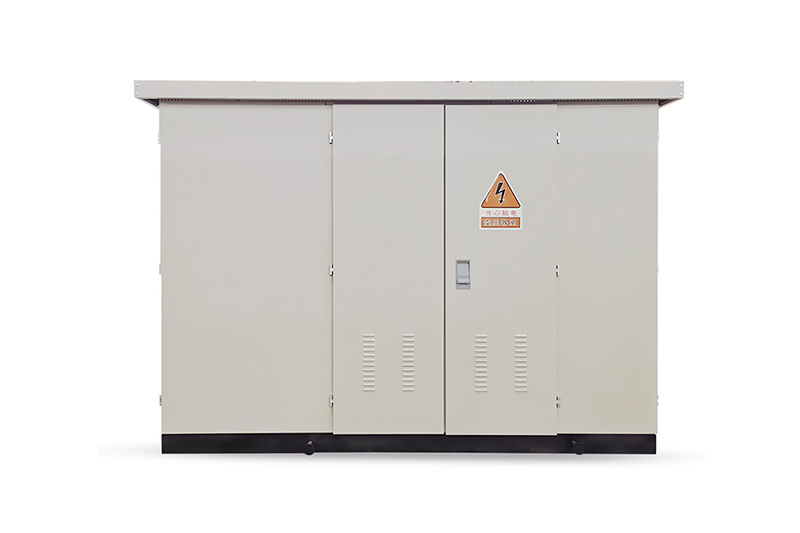
Yes. Outdoor installation requires a weatherproof enclosure, typically IP54 or higher, along with anti-condensation measures where necessary.
What is the typical efficiency of a cast resin transformer?
High-quality cast resin transformers generally achieve efficiencies above 98.5%, while premium low-loss designs may exceed 99% efficiency.
Which winding material is better, copper or aluminum?
Copper windings provide lower losses, higher conductivity, and better short-circuit performance. Aluminum windings offer lower initial investment and remain a cost-effective option for moderate load applications.
Cast resin dry type transformers have become the preferred power distribution solution for modern infrastructure, commercial buildings, industrial facilities, healthcare institutions, transportation systems, and renewable energy projects.
Although the initial investment is typically 15–30% higher than equivalent VPI transformers, superior fire safety, environmental resistance, reliability, and reduced maintenance costs often result in a significantly lower total cost of ownership.
For global buyers, the key to successful procurement is selecting a certified manufacturer capable of providing verified type test reports, guaranteed loss values, international certifications, and comprehensive export support.
Looking for a factory-direct cast resin transformer quotation? Provide your required kVA rating, primary and secondary voltage, installation environment, enclosure requirements, certification standards, and delivery destination. Our engineering team will prepare a detailed technical proposal, guaranteed loss data, production schedule, and competitive export pricing tailored to your project.