Compact Substation vs Standalone Transformer: What’s the Difference?
Time:2026-09-21 Auther:ZTelec-www.ztelectransformer.com
When a new building, factory, solar plant or residential project needs power at a usable voltage, one of the first equipment questions is simple: should we buy a compact substation, or just a transformer? The answer affects cost, space, installation time, safety and long-term maintenance, so it is worth understanding the difference before you write a specification or request a quotation.
In short, a standalone transformer is one piece of equipment that changes voltage. A compact substation is a complete, factory-assembled power distribution package that contains a transformer together with medium voltage and low voltage equipment inside one enclosure. This article explains both options, compares them side by side and shows when each one is the better choice.

What Is a Standalone Transformer?
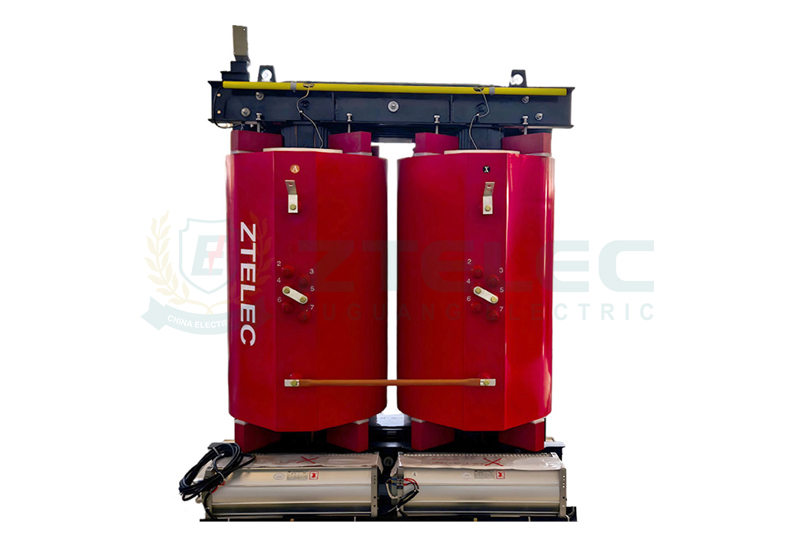
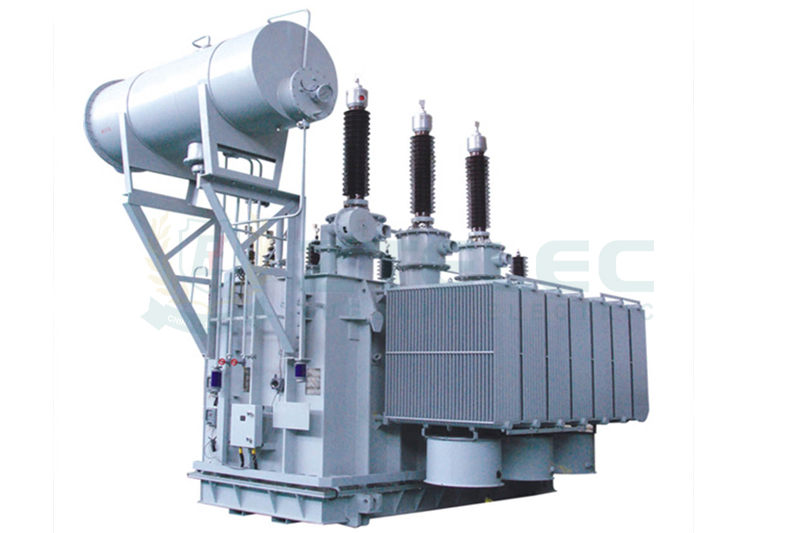
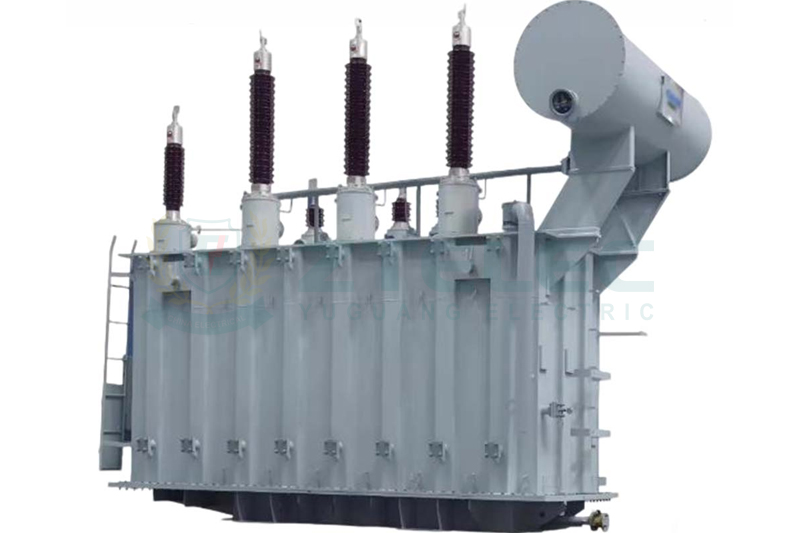
A standalone transformer is a transformer supplied and installed on its own. Its only function is to convert electrical energy from one voltage level to another, for example from a medium voltage network such as 11 kV or 22 kV to a low voltage such as 400 V for use inside a building or plant. It can be an oil-immersed unit or a dry-type unit, and it is normally designed and tested according to the IEC 60076 series or an equivalent local standard.
Because it is only the transformer, everything around it must be arranged separately. The medium voltage side needs switching and protection equipment, such as a load break switch, a fuse or a circuit breaker. The low voltage side needs a distribution board, breakers, metering and cable connections. The site also needs a foundation, an oil containment pit if required, fencing or a transformer room, earthing and often fire protection measures.
This approach is common when the project already has a substation room or switchroom, when the transformer is a replacement for an existing unit, or when the designer wants to select every component individually.
What Is a Compact Substation?
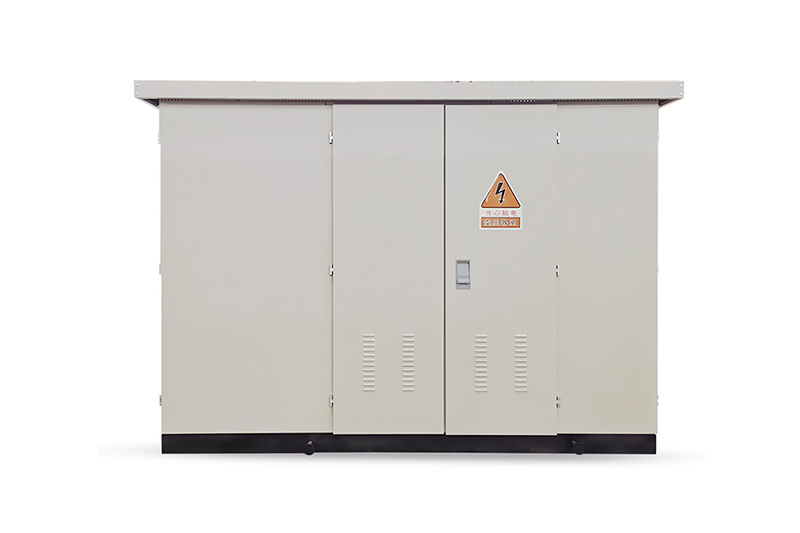
A compact substation, also called a packaged substation, prefabricated substation or box-type substation, is a factory-built assembly that integrates the main parts of a distribution substation into one weatherproof enclosure. It normally contains three sections: medium voltage switchgear, a distribution transformer and low voltage switchgear or a distribution board.
The medium voltage section often uses a ring main unit or a set of load break switches and fuses. The transformer can be oil-immersed or dry-type, depending on the location and the fire safety requirement. The low voltage section usually includes the main breaker, outgoing feeders, metering and sometimes reactive power compensation. Auxiliary items such as lighting, ventilation, temperature control and earthing terminals are also built in.
The complete package is assembled, wired and tested in the factory, and then transported to site as a single unit or as a few large modules. Prefabricated high-voltage and low-voltage substations are covered by the IEC 62271-202 standard, which also addresses points such as enclosure strength, temperature rise, and internal arc performance.
Compact Substation vs Standalone Transformer: Comparison Table
The following table shows the main differences. Details vary by manufacturer and project, so treat it as a general guide.
| Aspect | Compact substation | Standalone transformer |
|---|---|---|
| Scope of supply | MV switchgear, transformer, LV switchgear and enclosure in one package | Transformer only |
| Factory testing | Complete assembly tested as a system | Transformer tested; other parts tested separately |
| Site work | Foundation, cable connection and commissioning | Foundation, room or fence, switchgear, cabling, earthing and integration |
| Installation time | Shorter | Longer |
| Footprint | Compact and optimized | Depends on the surrounding equipment and room layout |
| Design flexibility | Standard or customized layouts | High, each component is chosen individually |
| Responsibility | One supplier for the whole package | Several suppliers to coordinate |
| Relocation | Easier, transported as a unit | More complex |
Key Differences in More Detail
Scope of supply and responsibility
The most important difference is what you receive. With a standalone transformer, you buy one component and then become the integrator. You or your contractor must select compatible switchgear, design the low voltage board, plan the civil works and coordinate suppliers. If a problem appears at an interface, responsibility can become unclear.
With a compact substation, the manufacturer designs the parts to work together and delivers them as a tested system. This does not remove your need to define the requirements, but it reduces the number of interfaces and makes accountability clearer.
Installation time and site work
A traditional substation built around a standalone transformer often requires a building, cable trenches, internal wiring and on-site assembly. Each of these steps takes time and depends on labor and weather. A compact substation is wired and tested before shipment, so site work is usually limited to preparing the foundation, positioning the unit, connecting the incoming and outgoing cables and carrying out final commissioning tests. For projects with tight schedules, this can shorten the time to energization considerably.
Space and footprint
Compact substations are designed to use space efficiently. The equipment layout is optimized inside the enclosure, and no separate switchroom building is needed. This is valuable in urban areas, industrial parks, solar and wind farms, mines and construction sites where land is limited or temporary power is required.
A standalone transformer may look smaller by itself, but once you add the switchgear room, clearances, fencing and cable access, the total area needed can be larger than that of a compact substation with the same capacity.
Safety and protection
A compact substation encloses live parts inside a closed structure with defined compartments, interlocks and warning signs. The enclosure can be designed for outdoor conditions, including rain, dust, solar radiation and, where required, corrosion protection. Internal arc-tested designs add another layer of personnel protection.
A standalone transformer installed in the open needs fencing or a room to keep people away, and protection depends on how the surrounding equipment is designed. Both can be made safe, but the compact package provides a more standardized safety concept.
Flexibility and customization
The advantage of a standalone transformer is freedom. You can choose any transformer type, any switchgear brand, any protection relay and any layout. This is useful for special projects, high-capacity installations or sites where the utility specifies particular equipment.
Compact substations also offer options, such as different transformer types, multiple transformers in one station, various ring main unit configurations, metering arrangements and enclosure materials. However, the layout is more structured, and very large or highly unusual requirements may be better served by a conventional substation.

Cost Comparison
The equipment price alone can be misleading. A standalone transformer has a lower purchase price than a full compact substation because it contains fewer components. But the total installed cost includes switchgear, LV panels, civil works, cabling, engineering, testing and project management.
A compact substation moves much of that work into the factory, where it is more efficient and controlled. Many buyers find that the total cost of ownership is competitive, especially when saved installation time, reduced site labor and lower risk of interface problems are counted. For a single replacement transformer in an existing room, though, the standalone option is usually cheaper.
Maintenance and Operation
Maintenance of the transformer itself is similar in both cases: oil checks or insulation inspection, cleaning, temperature monitoring and periodic electrical tests. The difference is in access and organization. Inside a compact substation, all main equipment is in one place, and operators can inspect and switch it from a single location. Ventilation and temperature control must be designed properly, because high ambient temperature and limited airflow can affect transformer loading.
With separate equipment, individual components are easier to replace or upgrade without touching the rest. That can be an advantage in large or long-life installations, provided the site is well managed.
When to Choose a Compact Substation
A compact substation is a good option when you need a complete power distribution solution quickly and with limited on-site work. Typical uses include residential developments, commercial buildings, data center auxiliary supply, industrial parks, solar and wind power plants, mining and oil and gas sites, infrastructure projects and temporary construction power. It also suits locations where no substation building exists and where a single supplier should take responsibility for the equipment.
When a Standalone Transformer Is Enough
A standalone transformer is the right choice when the surrounding infrastructure already exists. Examples include replacing a failed or aged transformer in an existing substation, adding capacity in a room that already has switchgear, or building a large custom substation where each component is specified individually. It is also common in utility networks that operate their own standard designs and spare parts.
What About Pad-Mounted Transformers?
Between the two options sits the pad-mounted transformer. It is a transformer with a tamper-resistant enclosure that includes the medium voltage and low voltage terminal compartments, and often simple switching and protection. It is widely used in residential and commercial distribution. Compared with a full compact substation, it is smaller and simpler, but has less room for complex low voltage distribution or larger switchgear.
How to Choose the Right Option
Begin with the project scope. If you need only a voltage conversion device and the switching and distribution equipment already exist, choose a standalone transformer. If you need a complete MV to LV distribution point, choose a compact substation.
Then review the key data: rated capacity, primary and secondary voltage, frequency, cooling type, ambient temperature, altitude, protection level, and the number of low voltage feeders. Consider the schedule, the available land, transport and lifting conditions, and the level of on-site skills. Finally, ask suppliers for the applicable standards, test reports and a clear list of what is and is not included in the scope.
Frequently Asked Questions
Is a compact substation the same as a transformer?
No. A transformer is one component. A compact substation includes a transformer, medium voltage switchgear and low voltage switchgear inside one enclosure.
Is a compact substation cheaper than building a traditional substation?
Often it is, when civil works, installation labor and time are counted. The result depends on capacity, layout and local costs.
Can a compact substation use a dry-type transformer?
Yes. Compact substations can be built with oil-immersed or dry-type transformers, depending on the environment and fire safety requirements.
Which standards apply?
Transformers are generally covered by the IEC 60076 series, and prefabricated substations by IEC 62271-202. Local utility rules may add further requirements.
Can compact substations be used outdoors?
Yes. They are designed with weatherproof enclosures for outdoor use, with options for ventilation, insulation and corrosion protection to suit the local climate.
A standalone transformer and a compact substation solve different problems. The transformer changes voltage, while the compact substation delivers a complete, tested distribution point with switching, protection and low voltage output. Choose the standalone transformer when you are working inside an existing substation or need full freedom of design. Choose a compact substation when speed, space saving, safety and single-supplier responsibility matter most. If you share your capacity, voltage levels and site conditions, we can help you select the right configuration and prepare a suitable quotation.