What Is a Compact Substation? Definition, Structure and How It Works
Time:2026-09-18 Auther:ZTelec-www.ztelectransformer.com
Ask any utility engineer working in a dense city or a tight industrial site, and they will tell you the same thing: finding room for a traditional substation is getting harder every year. Compact substations were developed to solve exactly this problem. By packaging switchgear, a transformer, and low voltage distribution equipment into one factory-built unit, they deliver the same core function as a conventional substation in a fraction of the space. This article covers what a compact substation actually is, walks through what sits inside one, explains how power moves through it, and helps you decide when this design makes sense for a project.
Defining the Compact Substation
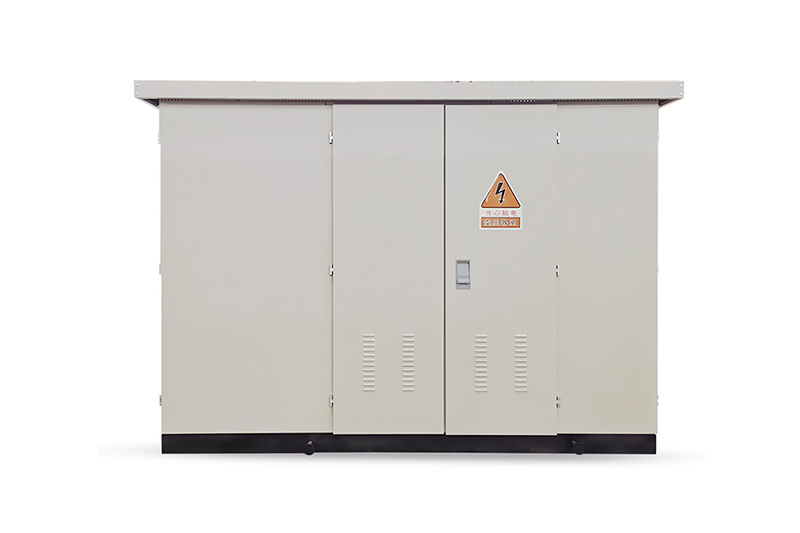
A compact substation, sometimes called a unitized substation or package substation, is a single enclosure that integrates three functions normally spread across separate buildings in a conventional substation: medium voltage switching, voltage transformation, and low voltage distribution. Everything ships from the factory largely assembled, wired, and tested, so the equipment arrives at site ready for final connection rather than component-by-component construction.
These units typically accept medium voltage input, commonly somewhere between 11kV and 36kV, and output standard low voltage, most often 400V or 415V three-phase power. What separates a compact substation from a conventional one is not the electrical function it performs, but how tightly that function is packaged and how much of the build process happens off site before delivery.
Why Compact Substations Exist
Land cost and availability are the biggest drivers behind compact substation adoption. A conventional substation needs a dedicated building, perimeter security, and enough area to separate switchgear, transformers, and distribution panels safely. In dense urban areas or built-out industrial parks, that kind of space is often simply not available, or it costs far more than the project budget allows.
Project timelines matter too. Because compact substations are largely pre-built and factory-tested, on-site work is limited mostly to foundation preparation, positioning, cable termination, and commissioning tests. This shortens construction schedules considerably compared to erecting a conventional substation building and installing separate equipment inside it piece by piece.
What’s Inside a Compact Substation
Rather than thinking of a compact substation as one piece of equipment, it helps to think of it as three connected systems sharing a single enclosure.
The Incoming Switchgear
Medium voltage power enters through a switchgear section, most commonly built around a Ring Main Unit. This allows the substation to tie into either a ring or radial distribution network, switch the incoming supply, and route power toward the internal transformer while protecting it from upstream faults through fuses or a circuit breaker.
The Transformer
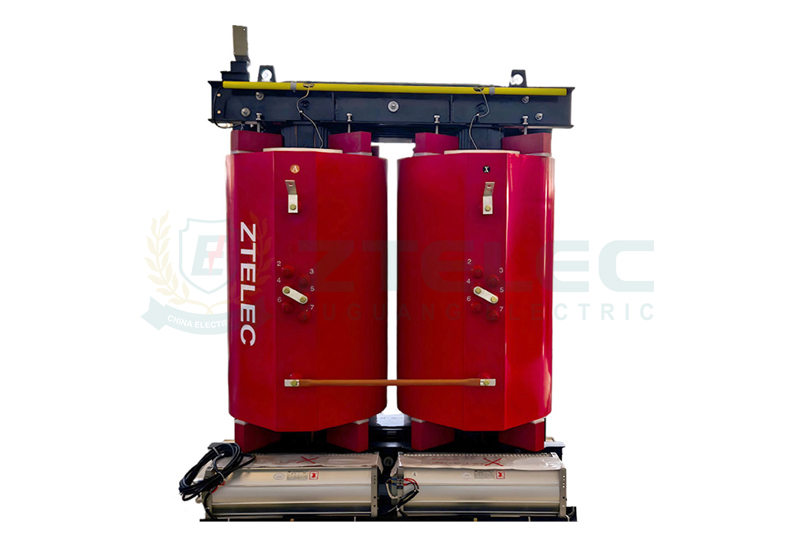
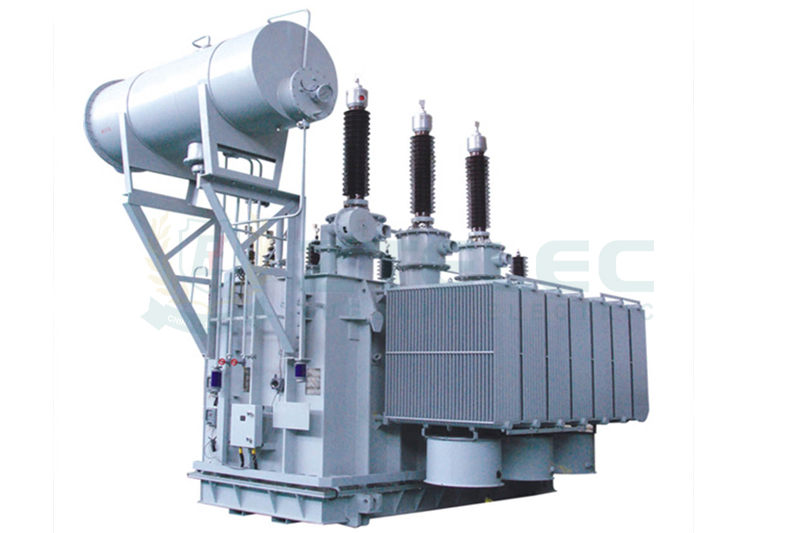
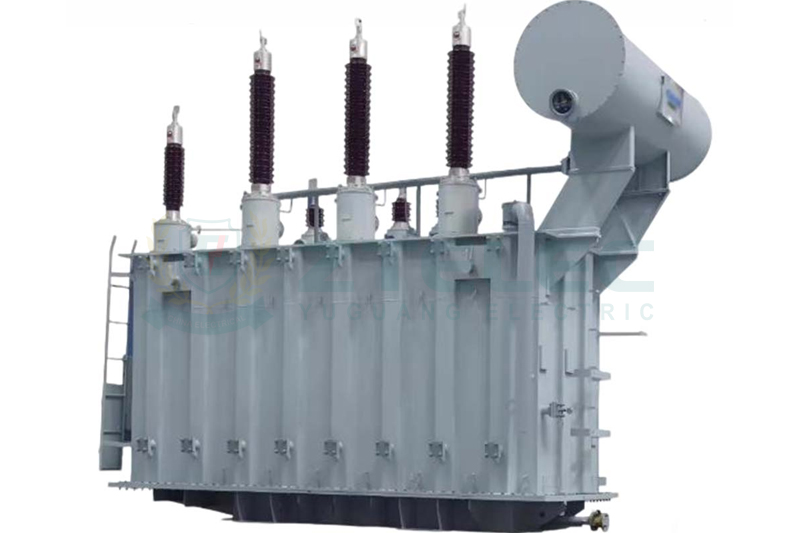
Sitting at the heart of the unit, the transformer converts the incoming medium voltage down to usable low voltage. Designers choose between oil-immersed and dry type transformers here, and dry type units are increasingly common in compact substations specifically because they lower fire risk inside a sealed, space-limited enclosure shared with other equipment.
The Outgoing Distribution Switchgear
Once voltage has been stepped down, power reaches a low voltage switchgear section, where circuit breakers or fused switches split it across multiple outgoing feeders. Metering equipment is frequently built into this section too, giving operators visibility into load and consumption without needing separate external metering.
The Enclosure Itself
Steel, GRP, or concrete enclosures protect everything inside from weather, unauthorized access, and, in most designs, provide fire-rated separation between the transformer compartment and the switchgear sections on either side. Ventilation louvers or forced-air systems are built into the enclosure to manage the heat the transformer generates during normal operation.
Cable Access
Incoming and outgoing cables typically enter from below, through a cable basement, trench, or duct arrangement, keeping terminations enclosed and protected rather than exposed at ground level.
Tracing the Power Flow Through the Unit
Start at the medium voltage switchgear. Power arrives from the distribution network, and the Ring Main Unit or equivalent switching device either passes it through toward the next point on a ring, feeds it to the internal transformer, or both, depending on how the network is configured at that location.
From there, the transformer takes over. Using electromagnetic induction, it steps voltage down from medium voltage to low voltage, while its cooling system, oil-based or air-based depending on transformer type, carries away the heat generated in the process.
The now-stepped-down power moves into the low voltage switchgear section, where breakers or fused switches divide it across outgoing feeders serving the building, site, or local network beyond. Protection devices at every stage, from the medium voltage fuses down to the low voltage breakers, watch continuously for fault conditions and isolate any problem area automatically, keeping the fault contained rather than letting it spread through the whole system.
Compact Substation Configurations Worth Knowing
Not every compact substation looks the same. Kiosk substations use a small steel or GRP housing and are the go-to option for residential developments and urban infill sites where every square meter counts. Larger package substations may add extra switchgear panels or metering sections while still keeping the factory-integrated build philosophy. Underground and semi-buried versions exist for sites where even a small visible footprint is unwanted, though these need careful drainage and ventilation planning to work reliably. Mobile compact substations, mounted on skids or trailers, serve temporary needs like large events, construction sites, or emergency power restoration after an outage.
Where Compact Substations Make the Most Sense
Compact substations show up most often in residential developments, office and retail buildings, hospitals, and industrial parks where footprint is limited but reliable power is non-negotiable. Renewable energy projects, particularly solar and wind farms with multiple distributed connection points, also lean on compact substations because the factory-tested design simplifies rolling out consistent equipment across many sites at once. Utilities expanding distribution capacity in built-up urban areas increasingly specify compact substations for the same reason: acquiring land for a full conventional substation building simply is not realistic in many of those locations.
Trade-Offs to Weigh Before Choosing One
The compact footprint that makes these substations attractive also creates some constraints. Internal layouts are fixed at the factory, which makes future capacity upgrades more difficult than with a conventional substation that has room built in for expansion. Swapping out a major component, like the transformer itself, can also be more awkward inside a tightly packaged enclosure than in an open substation yard with clear access on all sides. Anyone planning a compact substation installation should size the unit with a realistic view of future load growth, since adding capacity later is rarely as simple as it would be with a traditional design.
A compact substation condenses everything a conventional substation does, medium voltage switching, voltage transformation, and low voltage distribution, into one factory-built enclosure designed for tight sites and fast installation. Understanding what sits inside the unit and how power actually flows from the incoming switchgear through the transformer to the outgoing feeders makes it much easier to judge whether this design fits a given project. As space in cities and industrial parks keeps shrinking, compact substations will likely keep growing as the practical default for delivering reliable power without the land footprint a traditional substation demands.