Dry Type Transformer Guide: Types, kVA Ratings and Key Applications Explained
Time:2026-09-16 Auther:ZTelec-www.ztelectransformer.com
What Does Dry Type Mean in a Transformer?
Dry type means that the transformer does not use a liquid such as mineral oil as its main insulation and cooling medium. Instead, the windings use solid insulation materials and air cooling.
Depending on the design, insulation can include epoxy resin, varnish, fiberglass, paper, or other solid electrical insulation materials.
What Is a Dry Type Distribution Transformer?
A dry type distribution transformer is normally used to reduce medium voltage to low voltage for the final stages of electrical distribution. Common systems include 6.6 kV, 10 kV, and 11 kV primary voltage with 400 V, 415 V, or 230 V secondary systems.
These transformers are widely used in commercial buildings, industrial plants, data centres, hospitals, renewable energy installations, and compact substations.
What Is the Difference Between Dry Type and Cast Resin Transformers?
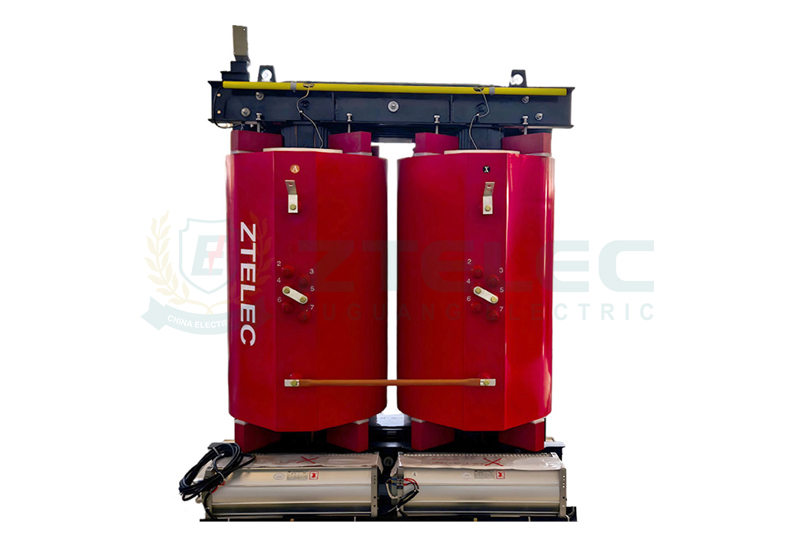
A cast resin transformer is a type of dry type transformer. The main difference is the winding insulation system.
Cast resin transformers use epoxy resin to encapsulate the windings. VPI transformers use vacuum pressure impregnation instead. Open-wound transformers use conventional solid insulation without complete resin encapsulation.
Therefore, all cast resin transformers are dry type transformers, but not every dry type transformer is a cast resin transformer.
What Is a Class AA Dry Type Transformer?
Class AA is an ANSI/IEEE designation associated with self-cooled, air-insulated dry type transformers. The exact temperature-rise and operating requirements should be checked against the applicable ANSI/IEEE specification and the manufacturer’s datasheet.
North American projects may use Class AA terminology, while IEC-based projects commonly specify cooling classes such as AN and AF together with the required insulation and temperature-rise class.
How Do I Choose Between a 1,600 kVA and 2,000 kVA Transformer?
Start with the maximum expected load rather than choosing a transformer only from the connected-load total. Divide the expected real power by the power factor to estimate the apparent power requirement.
Next, consider continuous loading, future expansion, ambient temperature, harmonics, starting currents, and redundancy requirements. The result should then be compared with standard transformer ratings.
For example, a project with a calculated demand close to the practical operating limit of a 1,600 kVA transformer may select a 2,000 kVA unit to provide additional operating margin. The final rating should be confirmed through a complete load study.
Can Dry Type Transformers Be Installed Outdoors?
Yes. However, a standard indoor dry type transformer should not simply be installed outdoors.
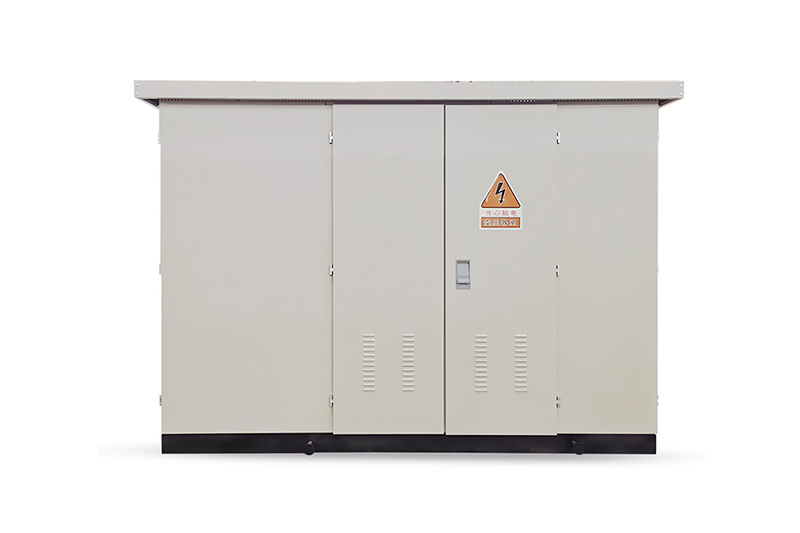
An outdoor installation normally requires a suitable weather-protected enclosure, ventilation, corrosion protection, and protection against rain, dust, sunlight, and other environmental conditions. The required enclosure and protection level depend on the transformer design and local electrical standards.
Always verify the applicable requirements, including NEC provisions in the United States and IEC requirements for international projects, before selecting an outdoor dry type transformer.
What Temperature Rise Should Be Specified?
Temperature rise is an important factor when selecting a dry type transformer. A lower temperature rise can provide additional thermal margin and may support longer insulation life under suitable operating conditions. However, it can also increase transformer size and initial cost.
Common specifications include 80 K, 100 K, and 125 K temperature-rise designs, depending on the insulation system, application, and applicable standard.
For data centres, hospitals, traction systems, and other critical facilities, the temperature-rise requirement should be determined from the actual load profile and project reliability requirements rather than selected only on initial price.
How to Select a Dry Type Transformer
The right transformer should match both the electrical load and the installation environment. Start by defining the rated capacity, primary voltage, secondary voltage, frequency, and vector group.
Then review the site conditions. Ambient temperature, altitude, humidity, dust, salt exposure, ventilation, enclosure requirements, and indoor or outdoor installation can all affect the transformer design.
Finally, compare efficiency, losses, temperature rise, insulation class, noise, maintenance requirements, standards compliance, delivery time, and total ownership cost.
For international projects, provide the manufacturer with the complete technical specification before requesting a final quotation. This helps avoid price differences caused by missing requirements or later design changes.
Dry Type Transformer Standards
Different markets and projects use different technical standards. IEC 60076-11 is an important international standard for dry type transformers. North American projects may reference ANSI/IEEE transformer standards, while installation requirements can also depend on national electrical codes.
For substations and switchgear installations, standards such as IEC 62271-202 may also become relevant. In Australia, AS/NZS standards may apply, while UK projects can involve BS standards and local electrical regulations.
Buyers should always confirm the latest edition of the required standard with the project consultant, utility, or authority having jurisdiction.
A dry type transformer provides a practical solution for electrical distribution where fire safety, environmental protection, indoor installation, and reduced liquid-related maintenance are important.
Cast resin transformers are suitable for many demanding environments because their encapsulated windings provide strong protection against moisture and contamination. VPI transformers can be a practical choice for many commercial and industrial applications. Open-wound designs remain suitable for clean and controlled low-voltage environments.
The correct transformer should not be selected by kVA rating alone. Voltage, load profile, cooling method, temperature rise, insulation class, losses, enclosure, environmental conditions, applicable standards, and future expansion should all be considered before purchase.
For a project-specific dry type transformer quotation, provide the required kVA rating, primary and secondary voltage, frequency, vector group, installation environment, cooling method, enclosure requirement, and applicable standard to the manufacturer.