Oil Filled Transformer Lifespan: How to Make Yours Last 30+ Years
Time:2026-09-14 Auther:ZTelec-www.ztelectransformer.com
An oil filled transformer is designed to be a multi-decade asset, not a short-term component. Under good operating conditions and with proper maintenance, a well-built unit can reliably serve for 30 years or longer. But that outcome is not automatic. Thermal stress, moisture, oxidation, and simple neglect can cut a transformer’s useful life dramatically short, sometimes forcing replacement in half the expected timeframe.
This guide explains what actually determines a transformer’s lifespan, the most common causes of premature failure, and the concrete maintenance practices that give an oil filled transformer the best chance of reaching, or exceeding, its 30-year design life.

What Actually Determines Transformer Lifespan?
A transformer’s service life is, in practical terms, the service life of its paper insulation. The cellulose paper wrapped around the windings provides critical electrical insulation, and it degrades slowly over time through a chemical process driven primarily by heat, moisture, and oxygen exposure. Once this paper insulation becomes too brittle and mechanically weak, it can no longer reliably withstand the electrical and mechanical stresses of normal operation, and the transformer becomes prone to internal failure, particularly under fault or surge conditions.
This is why transformer lifespan is not simply a countdown clock. A unit operated at moderate load, kept dry, and properly maintained can significantly outlast its rated design life, while one exposed to chronic overheating or moisture ingress can fail in a fraction of that time.
The Four Main Factors That Shorten Transformer Life
1. Thermal Stress From Overloading
Insulation aging accelerates rapidly with temperature. As a widely used engineering rule of thumb, every 6 to 8°C sustained increase in winding temperature above the transformer’s rated hot-spot temperature can cut the expected insulation life roughly in half. Chronic overloading, undersized transformers relative to actual demand, or poor ventilation around the unit are among the most common causes of accelerated thermal aging in the field.
2. Moisture Contamination
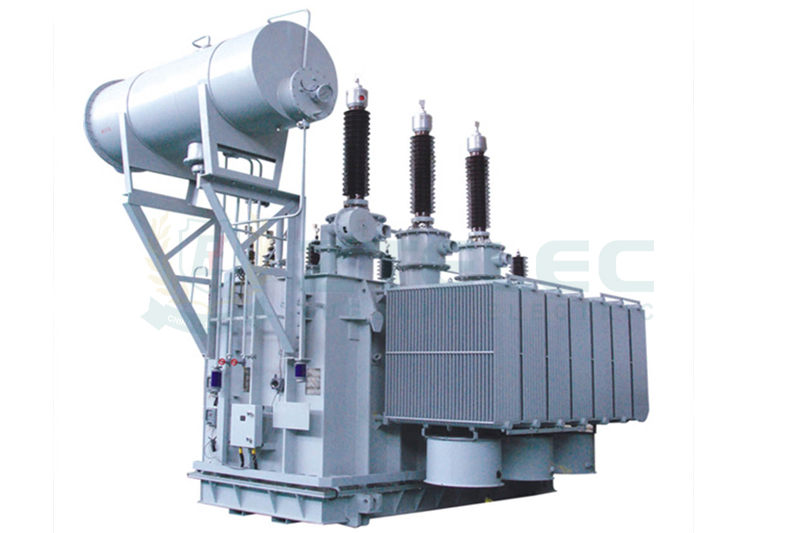
Water is one of the most damaging contaminants an oil filled transformer can be exposed to. Moisture can enter through a failed gasket, a damaged conservator tank breather, or simply through natural aging of seals over many years. Once inside, moisture accelerates paper insulation breakdown, reduces the oil’s dielectric strength, and increases the risk of internal flashover, especially when combined with elevated operating temperature.
3. Oil Oxidation and Contamination
Insulating oil degrades over time through oxidation, forming acids and sludge that reduce its cooling efficiency and dielectric performance. Oxidation is accelerated by high operating temperature, exposure to oxygen through a poorly maintained breather system, and the catalytic effect of certain metals inside the tank. Contaminated or oxidized oil not only insulates less effectively but also fails to cool the windings as efficiently, compounding thermal stress.
4. Electrical and Mechanical Stress Events
Short circuits, switching surges, and lightning-related transients place sudden mechanical and electrical stress on windings and insulation. While a transformer is designed to withstand occasional fault events, repeated exposure to through-faults or surges without adequate protection coordination can cause cumulative, hard-to-detect damage that shortens service life even when the unit continues to operate apparently normally afterward.
Practical Steps to Extend Transformer Lifespan
The good news is that most of the factors above are manageable through disciplined operating practices and a structured maintenance program. The following steps represent the core of what keeps oil filled transformers reliably reaching, or exceeding, 30 years of service.
1. Avoid Chronic Overloading
Operate the transformer within its rated capacity under normal conditions, and size new installations with a reasonable growth margin rather than running close to nameplate rating from day one. Where short-term overload is unavoidable, follow manufacturer guidance on permissible overload duration and magnitude rather than relying on the transformer’s apparent tolerance for exceeding rated load without immediate visible problems.
2. Maintain the Cooling System
Keep radiators, fans, and ventilation paths clear of dust, debris, and obstructions that reduce heat dissipation efficiency. For ONAF units, verify that cooling fans activate correctly at the designed temperature threshold and are not stuck, delayed, or malfunctioning, since a failed cooling fan can silently push winding temperature well above design limits during peak load periods.
3. Perform Regular Oil Testing
Periodic oil sampling and laboratory testing is one of the most valuable tools for tracking transformer health over time. Dielectric breakdown voltage, moisture content, acidity, and interfacial tension testing reveal the oil’s condition and, indirectly, the condition of the paper insulation it surrounds. Testing intervals of one to three years are common for distribution transformers, with more frequent testing recommended for critical or heavily loaded units.
4. Use Dissolved Gas Analysis (DGA) to Catch Problems Early
Dissolved gas analysis measures trace gases that form in the oil as a byproduct of specific fault conditions such as overheating, arcing, or partial discharge, well before those conditions become severe enough to cause visible or audible symptoms. Regular DGA testing, particularly for larger or critical transformers, allows developing faults to be identified and addressed while repair is still straightforward, rather than after a catastrophic failure has already occurred.
5. Inspect and Maintain Seals, Gaskets, and Breathers
Since moisture ingress is such a significant driver of insulation aging, keeping the transformer’s sealing system in good condition matters enormously. This includes periodic inspection of gaskets for hardening or cracking, verifying the conservator tank breather’s silica gel is active and not saturated with moisture (typically indicated by a color change), and promptly repairing any identified oil leak paths, since a leak path in one direction is also frequently a moisture ingress path in the other.

6. Monitor Bushings and External Connections
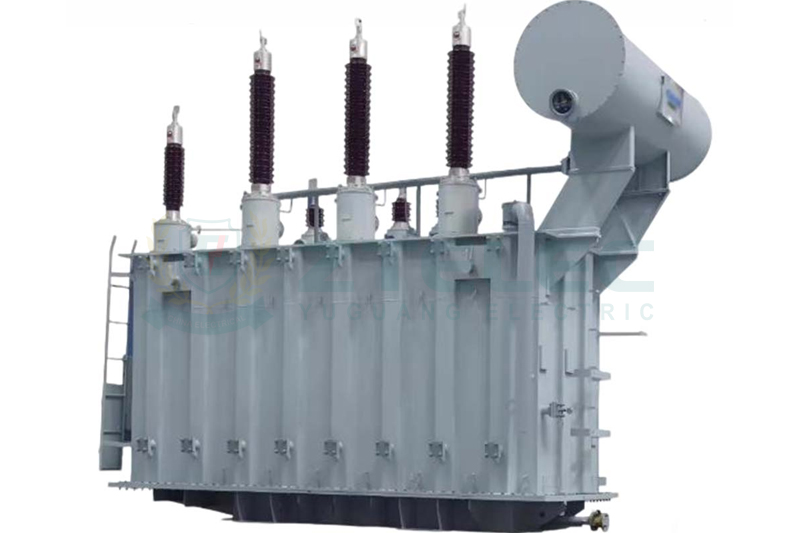
Bushings are a common failure point independent of the core insulation system’s condition. Periodic thermal imaging of bushing connections and terminal points can identify developing high-resistance connections before they generate enough heat to cause a failure, while visual inspection can catch cracking, tracking, or contamination on porcelain bushing surfaces before they compromise external insulation performance.
7. Ensure Proper Protection Coordination
Correctly coordinated protective relays, fuses, and circuit breakers limit the duration and severity of fault current the transformer experiences during an electrical disturbance. Reviewing protection settings periodically, particularly after any changes to the surrounding electrical network, helps ensure the transformer is not exposed to fault durations or magnitudes beyond what its design anticipates.
8. Keep Accurate Maintenance Records
A documented history of oil test results, DGA trends, load profiles, and any repair or inspection events allows gradual insulation aging or emerging problems to be identified through trend analysis rather than relying on a single point-in-time reading. This historical record becomes increasingly valuable as the transformer ages, since a gradual deviation from an established baseline is often the earliest reliable warning sign of a developing issue.
Typical Maintenance Schedule Overview
| Task | Typical Frequency |
|---|---|
| Visual inspection (leaks, corrosion, oil level) | Monthly to quarterly |
| Oil quality testing (dielectric strength, moisture, acidity) | 1–3 years |
| Dissolved gas analysis (DGA) | 1–2 years, or annually for critical units |
| Thermal imaging of bushings and connections | Annually |
| Breather silica gel check | Quarterly, or when discoloration is visible |
| Protection relay setting review | After any network change, or every 3–5 years |
Exact intervals should always be adjusted based on transformer criticality, loading pattern, environmental conditions, and manufacturer recommendations.
Signs That Lifespan May Be Shortening Faster Than Expected
Certain warning signs suggest a transformer’s insulation is aging faster than its design life would suggest. Rising acidity or declining dielectric strength in successive oil tests, an increasing trend in dissolved gas levels between sampling intervals, discoloration or sludge formation visible during oil inspection, and unusually high operating temperature relative to load and ambient conditions are all indicators worth investigating promptly rather than dismissing as normal aging. Catching these trends early frequently allows corrective action, such as oil reconditioning, cooling system repair, or load reduction, before the issue progresses to a point requiring transformer replacement.
Reaching or exceeding a 30-year service life is a realistic outcome for an oil filled transformer, but it depends heavily on how the unit is operated and maintained rather than on the manufacturer’s design life figure alone. Avoiding chronic overloading, keeping the cooling system clean and functional, testing oil quality and dissolved gas content on a regular schedule, protecting the sealing system against moisture ingress, and maintaining accurate long-term records together form the foundation of a maintenance program capable of delivering decades of reliable service. Investing in this level of disciplined care costs a small fraction of what premature transformer replacement or unplanned failure would cost, making it one of the highest-value maintenance programs an electrical asset owner can implement.