Comparison of Two-Winding and Three-Winding Transformers: Key Differences, Advantages, and Application Scenarios
Time:2026-01-5 Auther:ZTelec-www.ztelectransformer.com
In power systems and industrial applications, transformers play a crucial role in ensuring safe and efficient energy transmission. Based on the number of windings, the most common types are two-winding and three-winding transformers. For engineering designers and procurement professionals, understanding their differences, advantages, and application scenarios is essential for making informed selection decisions.

Basic Structural Differences
Two-Winding Transformer
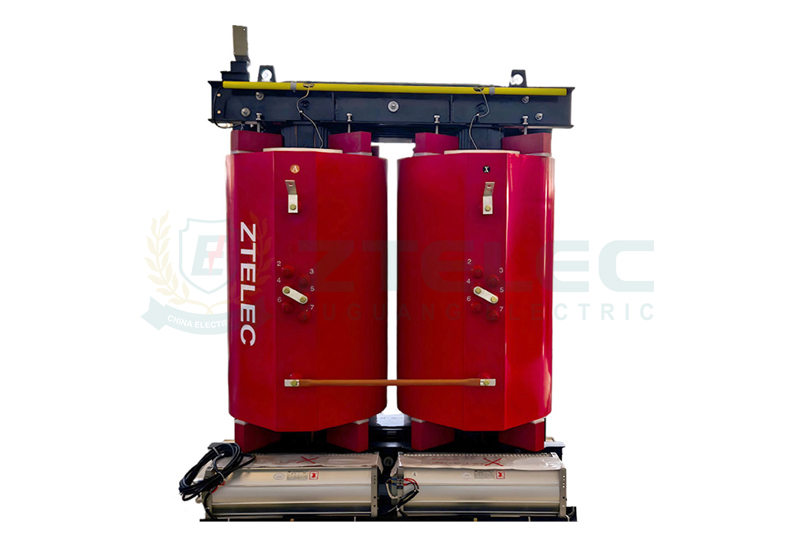
Two-winding transformers consist of two independent windings—primary and secondary—wound on each core column. Typically, there is one high-voltage winding and one low-voltage winding. Connection points usually include three terminals on the high-voltage side and three or four on the low-voltage side. This type is compact and has a simple structure.
Three-Winding Transformer
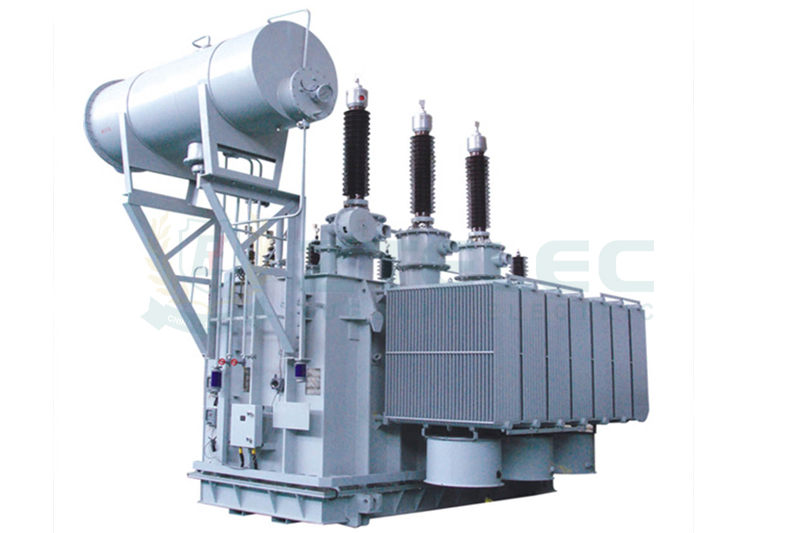
Three-winding transformers have three independent windings on each core column, commonly including high-voltage, medium-voltage, and low-voltage windings. Each phase has three independent terminals, offering various voltage combinations. Three-winding transformers are generally larger and more structurally complex than two-winding transformers of the same capacity.
Performance Advantages Comparison
Advantages of Two-Winding Transformers
Two-winding transformers feature a simple structure, low cost, and ease of maintenance. Fewer windings reduce the failure rate and extend maintenance intervals. They also maintain high efficiency under single-load conditions.
Advantages of Three-Winding Transformers
Three-winding transformers offer multi-voltage output, allowing simultaneous power supply to multiple secondary systems, which reduces the number of devices required. They save space, improve system reliability under partial load or winding failure, and enable flexible load distribution through impedance ratio design.

Key Technology Differences
Number of Windings and Voltage Levels
Two-winding transformers have two windings, converting between two voltage levels. Three-winding transformers provide three independent windings for flexible configuration across three voltage levels.
Impedance Characteristics
Two-winding transformers have a single impedance value. Three-winding transformers feature three inter-winding impedance values, making their design and short-circuit capacity calculations more complex.
Efficiency and Economy
Two-winding transformers usually exhibit higher operating efficiency due to direct energy transfer paths and lower losses. Their simpler structure also reduces material usage, manufacturing, and maintenance costs. Three-winding transformers have slightly higher losses and more complex manufacturing and maintenance requirements, leading to higher initial investment and lifecycle costs.
System Flexibility
Two-winding transformers have a focused function with limited flexibility. A single three-winding transformer can replace two two-winding transformers, simultaneously serving different voltage levels and simplifying substation layouts.
Application Scenarios
Typical Applications of Two-Winding Transformers
Two-winding transformers are widely used in urban power distribution networks (10kV, 20kV), single-circuit power supply systems in industrial plants, and single-circuit grid-connected projects for photovoltaic or wind farms.
Typical Applications of Three-Winding Transformers
Three-winding transformers are ideal for high-voltage distribution or large industrial parks, multi-circuit power supply projects, and scenarios requiring simultaneous supply to multiple loads with limited space. They are suitable for connecting generator sets, main transformers, and backup power sources, as well as grid expansion or remote power supply systems.
Choosing the appropriate transformer type directly affects system efficiency, reliability, and return on investment. Two-winding transformers are suitable for single-voltage, simple-load scenarios, while three-winding transformers excel in projects with multiple voltages, multiple loads, and space constraints. During procurement and design, careful consideration of load characteristics, space, budget, and maintenance requirements is essential. Collaboration with professional manufacturers ensures long-term stable operation of the transformer.</p