How to Choose an Oil Immersed Distribution Transformer: Complete Selection Guide
Time:2026-01-6 Auther:ZTelec-www.ztelectransformer.com
Oil immersed distribution transformers are widely used in power systems, industrial facilities, urban and rural distribution networks due to their proven reliability, stable performance, and cost-effectiveness. Selecting the right transformer is critical for system safety and efficiency, as different load requirements, installation environments, and technical standards can significantly affect performance. This guide provides a clear overview of the key factors to consider when choosing an oil immersed distribution transformer.

1. Understand the Application and System Requirements
Before selecting a transformer, it’s important to define the application scenario. Different environments impose different requirements for transformer design, protection level, and operational performance. Outdoor distribution networks require transformers that can withstand weather conditions and long-term operation, while industrial sites may need units that handle heavy loads and frequent start-stop cycles.
Additionally, consider the transformer’s role within the overall distribution system. Whether it serves as a substation transformer or a feeder-level unit, its reliability directly affects power quality. Planning for future load growth and potential system expansion is essential in making an informed selection.
2. Match Transformer Capacity to Load
Transformer capacity is one of the most critical factors in selection. Undersized units can suffer from continuous overloading, reducing service life, while oversized units may lead to higher initial costs and lower efficiency. The recommended approach is to calculate based on actual load requirements with an appropriate safety margin.
Load characteristics also play a role. Applications with high inrush currents, such as motors or arc furnaces, require transformers with robust overload capacity and effective cooling to maintain safe and stable operation.
3. Voltage Levels and Connection Types
The high and low voltage sides of an oil immersed distribution transformer must match the network and user equipment requirements. Selecting the proper voltage levels ensures efficient operation and reduces system stress.
Connection type affects system stability, fault protection, and harmonic performance. Proper connection selection improves power quality and minimizes risks during abnormal conditions.

4. Efficiency and Operating Economy
Energy efficiency is increasingly important. Transformers meeting IEC 60076 or similar international standards offer lower no-load and load losses. High-efficiency transformers reduce energy consumption and operating costs over time, making them especially beneficial for systems with continuous or heavy loading.
5. Design and Cooling Methods
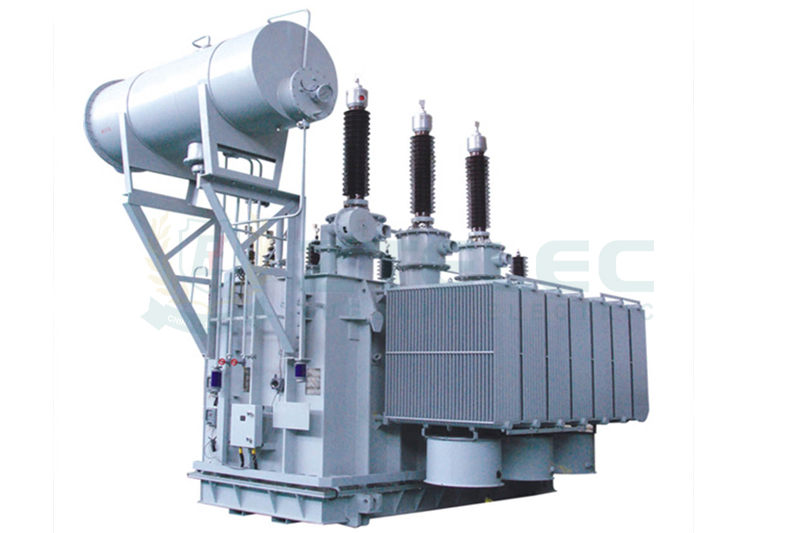
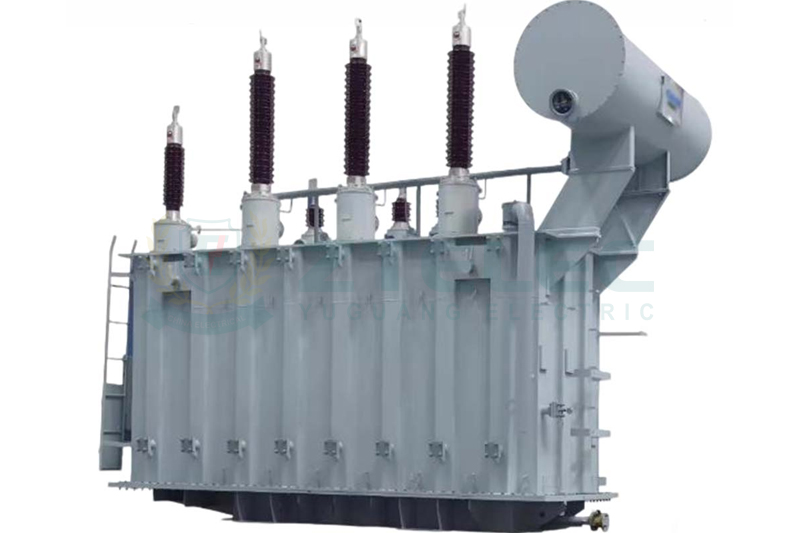
Oil immersed transformers can be designed as sealed or non-sealed units. Sealed designs prevent moisture and air from entering the tank, suitable for harsh outdoor conditions. Non-sealed designs allow easier maintenance and oil handling, ideal for facilities with regular service routines.
Cooling methods such as ONAN (Oil Natural Air Natural) are standard for most distribution transformers. Effective cooling ensures stable operation under high load conditions and extends service life.
6. Safety and Environmental Considerations
Safety is critical for oil immersed transformers. A well-designed tank, reliable sealing, and protective devices reduce the risk of oil leaks and operational failures. Environmental factors such as temperature, humidity, altitude, and pollution should be evaluated to ensure stable performance in different conditions.
7. Standards Compliance and Supplier Selection
Compliance with international standards such as IEC or ANSI ensures quality, simplifies system integration, and supports regulatory requirements. Selecting a manufacturer with experience, technical expertise, and reliable after-sales support is equally important to ensure long-term performance and project success.
Choosing the right oil immersed distribution transformer requires a careful assessment of application, load, voltage, efficiency, design, and operational conditions. A properly selected transformer enhances reliability, improves system efficiency, and controls costs. By following these guidelines, engineers and buyers can ensure safe, stable, and efficient power distribution for their projects.