Dry-Type Transformer Selection Guide: Energy Efficiency, Safety Standards & Industrial Applications
Time:2026-05-13 Auther:ZTelec-www.ztelectransformer.com
Dry-type transformers are widely used in hospitals, data centers, shopping malls, and subway systems where fire safety, energy efficiency, and reliability are critical. This guide helps engineers and procurement teams understand how to select the right transformer based on efficiency, safety compliance, and application requirements.
What Is a Dry-Type Transformer?
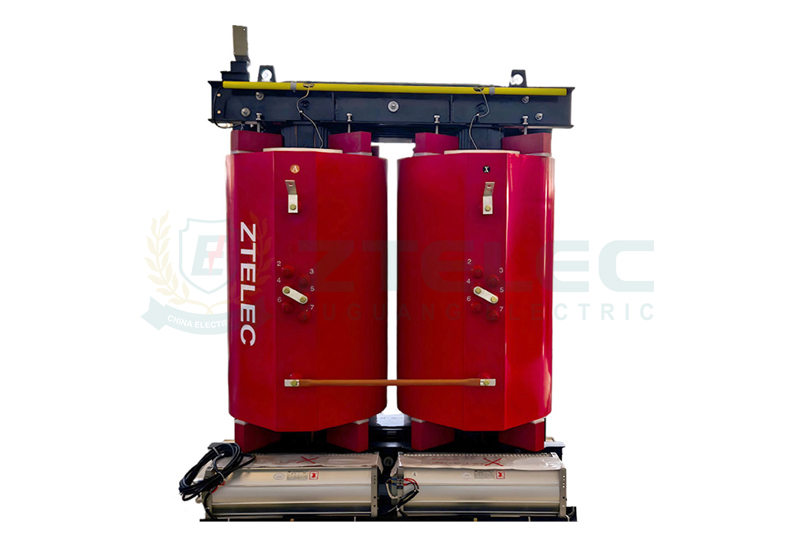
A dry-type transformer (cast resin transformer) is a power transformer that uses air cooling instead of insulating oil. The windings are insulated with epoxy resin or varnish, providing strong resistance to moisture, dust, and fire risks.
In modern distribution systems, dry-type transformers are preferred for indoor and high-safety environments because they eliminate oil leakage risks and reduce fire protection infrastructure costs. In many urban projects, they have become the default solution for indoor substations.
Engineering insight: In practice, dry-type transformers are most effective in environments where safety and maintenance reduction are more important than initial cost.

Why Energy Efficiency Matters in Transformer Selection
Transformer losses directly affect long-term operating costs. These losses come from no-load losses (core losses) and load losses (copper losses).
In real engineering design, no-load loss is the most critical factor because transformers often operate 24/7, especially in data centers, hospitals, and transportation systems.
Energy Efficiency Classes (GB/T 10228)
| Efficiency Class | Performance Level | Typical Application |
| Level 1 | Highest efficiency, lowest loss | Data centers, hospitals, premium infrastructure |
| Level 2 | Mainstream energy-saving standard | Commercial buildings, industrial plants |
| Level 3 | Basic efficiency level | Legacy systems (gradually phased out) |
A 1000 kVA Level 1 transformer can reduce annual energy loss by approximately 8,000–15,000 kWh compared with lower-efficiency models, making it more cost-effective over a 10–20 year lifecycle.
Key Factors That Affect Efficiency
Core material plays a major role in transformer efficiency. High-grade silicon steel or amorphous alloy cores significantly reduce no-load losses.
Copper windings offer lower resistance compared to aluminum, reducing load losses and improving performance under high-load conditions.
Cooling methods also impact performance. AN (natural cooling) is suitable for normal loads, while AF (forced air cooling) can increase capacity by up to 40%.
Optimal efficiency is usually achieved at a 60%–80% load rate. Operating consistently below this range may reduce overall system efficiency.
Safety Standards and Compliance Requirements
Safety compliance is a mandatory requirement for dry-type transformers, especially in international projects.
Main Standards Overview
GB/T 10228 defines Chinese technical requirements including temperature rise limits and testing methods. IEC 60076-11 is the global standard widely used for export projects. IEEE C57.12.91 applies mainly to North American markets with UL or CSA certification requirements.
Practical note: For export projects, certification compliance is often more important than price or design differences.
Fire Protection and IP Rating Selection
F1 fire rating is recommended for high-occupancy environments such as hospitals and subway stations due to its self-extinguishing behavior.
IP20 is used for standard indoor environments, while IP23–IP44 is suitable for humid or dusty industrial conditions. IP54 and above is required for underground or harsh environments.
Before procurement, always request type test reports including temperature rise test, short-circuit withstand test, and partial discharge test.

SCB vs SG Dry-Type Transformers
Dry-type transformers are mainly divided into epoxy resin cast type (SCB) and varnish impregnated type (SG). The selection depends on environment, safety level, and maintenance expectations.
| Feature | SCB (Cast Resin) | SG (Varnish Impregnated) |
| Moisture Resistance | Excellent | Moderate |
| Fire Safety | High (F1 standard) | Basic (F0 level) |
| Cooling Performance | Good | Very good |
| Maintenance | Low maintenance | Periodic inspection required |
| Best Applications | Hospitals, data centers, metro systems | Industrial workshops, ventilated areas |
Engineering experience shows that SCB transformers are the preferred choice for indoor and safety-critical applications due to their sealed structure and higher protection level.
Industrial Applications of Dry-Type Transformers
Dry-type transformers are widely used across industries where safety, compact size, and reliability are essential.
In healthcare systems, they ensure stable power supply for critical equipment such as operating rooms and ICUs.
In data centers, they reduce power loss and improve overall system efficiency in 24/7 operation environments.
In subway and rail systems, dry-type transformers are standard due to strict fire safety and underground installation requirements.
In commercial buildings, they reduce construction complexity by eliminating oil containment systems.
In renewable energy projects, such as solar and wind farms, they provide fast deployment and compact design advantages.
How to Select the Right Dry-Type Transformer
Correct selection requires balancing capacity, efficiency, safety, and lifecycle cost rather than focusing only on purchase price.
A capacity margin of 20%–30% is recommended to ensure future load expansion. Voltage level must match grid requirements and system design.
For energy efficiency, Level 1 or Level 2 transformers are strongly recommended for new projects.
Insulation class should be selected based on ambient temperature, with F-class suitable for standard environments and H-class for high-temperature conditions.
Key engineering principle: Transformer efficiency is highest when operating at 60%–80% load rate. Oversized selection may reduce long-term performance.
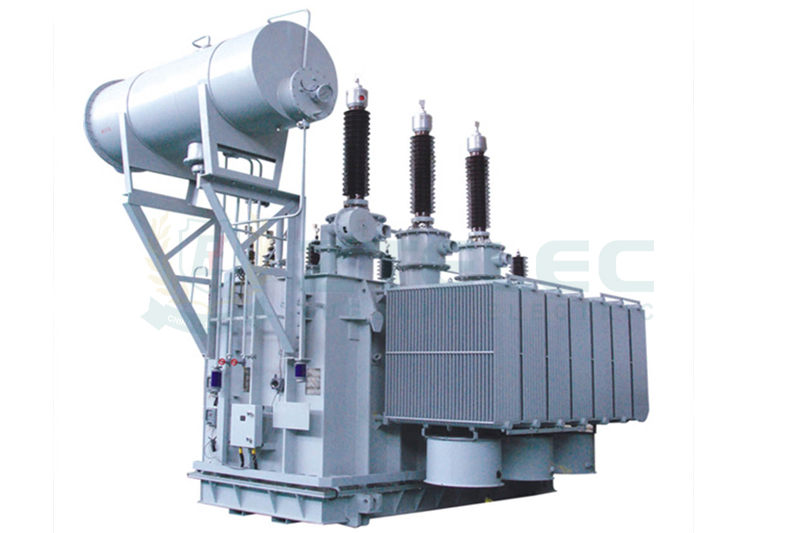
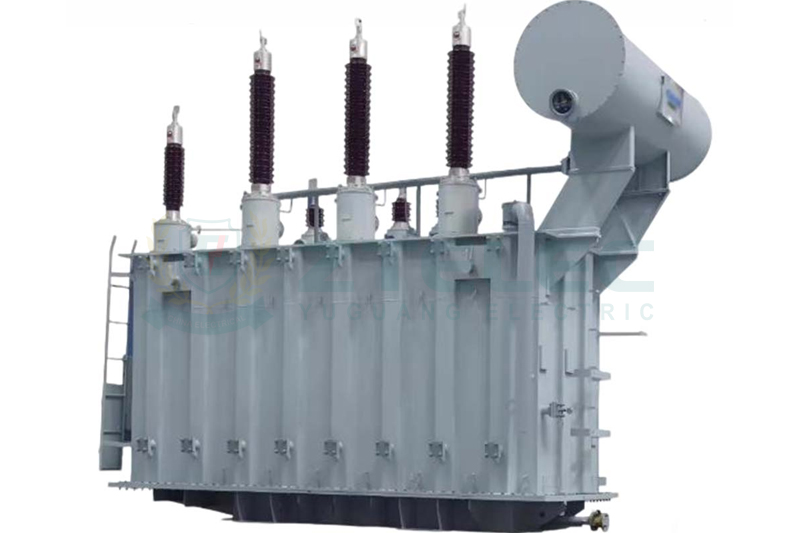
Dry-Type vs Oil-Immersed Transformers
| Factor | Dry-Type Transformer | Oil-Immersed Transformer |
| Installation | Indoor / underground / high-density areas | Outdoor substations |
| Fire Safety | High safety, no oil risk | Requires fire protection system |
| Maintenance | Low maintenance | Regular oil inspection required |
| Initial Cost | Higher | Lower |
| Lifecycle Cost | Lower long-term operating cost | More economical for large-scale systems |
Dry-type transformers are the preferred solution for modern power distribution systems requiring high safety, low maintenance, and energy efficiency. Proper selection should focus on efficiency class, certification compliance, insulation level, and real operating conditions rather than only initial cost.
A well-selected transformer improves system reliability, reduces lifecycle cost, and ensures stable long-term operation in critical infrastructure projects.