How to Choose a 2000 kVA Copper Oil Filled Transformer for Substations
Time:2026-01-31 Auther:ZTelec-www.ztelectransformer.com
As a core piece of equipment in medium-sized substations, the selection of a 2000 kVA copper oil filled transformer has a direct impact on operational safety, power supply reliability, energy efficiency, service life, and long-term maintenance costs. A scientific and well-structured selection process helps ensure stable substation operation and optimal economic performance.
This article provides a practical selection guide for 2000 kVA copper oil immersed transformers, covering load demand analysis, technical parameters, operating environment, performance characteristics, and key decision factors.

Substation Load Demand Analysis
Rated Voltage and Connection Group Selection
Voltage level matching is the first step in transformer selection. The high-voltage side should align with the substation design voltage, commonly 6 kV, 10 kV, 11 kV, 20 kV, or 35 kV, while the low-voltage side is typically 0.4 kV unless otherwise specified. Proper voltage matching ensures compatibility with upstream and downstream equipment.
The connection group, such as Dyn11 or Yyn0, should be selected based on the grounding method of the power system and the characteristics of the connected loads. Correct selection helps improve voltage quality and system stability.
Load Characteristic Evaluation
A detailed analysis of load composition is essential. This includes evaluating the proportion of resistive, inductive, and nonlinear loads, as well as understanding daily and seasonal load fluctuations. Expected short-term overload requirements should also be clarified.
Future expansion plans should be considered at the design stage. Reserving a reasonable capacity margin helps avoid premature replacement and supports long-term substation development.

Copper Windings versus Aluminum Windings
Copper windings offer lower electrical resistance, reduced power losses, and stronger overload capability compared with aluminum windings. These advantages translate into higher operating efficiency and improved thermal performance.
Copper-winding transformers are especially suitable for industrial and urban substations that operate at or near full load for extended periods or experience frequent load fluctuations. Choosing copper windings can significantly reduce no-load and load losses while extending the transformer’s service life.
Cooling Method Selection
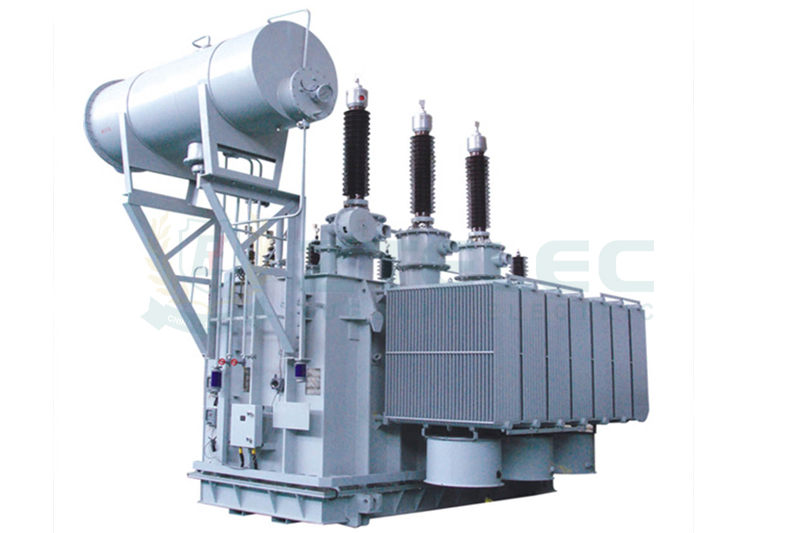
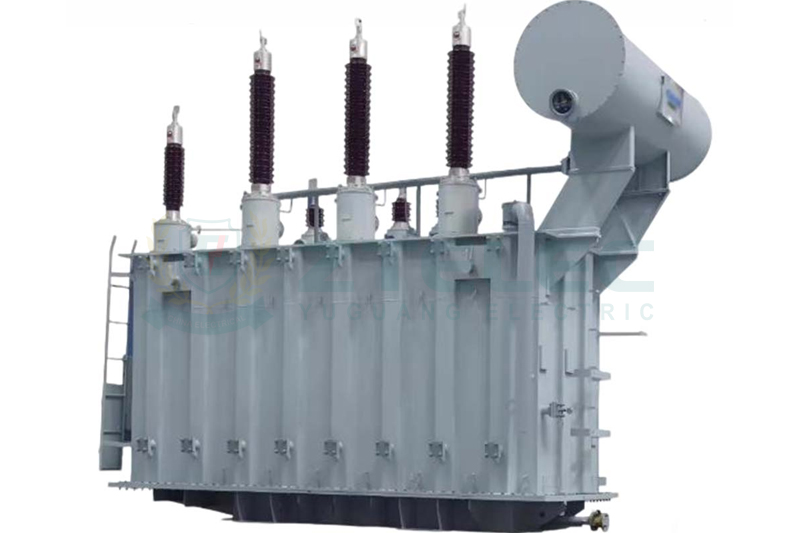
The cooling method should be selected based on load characteristics and environmental conditions. ONAN oil immersed self-cooled transformers are suitable for indoor substations with relatively stable loads and good ventilation.
ONAF oil immersed air-cooled transformers are recommended for substations with large load variations or high ambient temperatures, as forced air cooling enhances heat dissipation and supports higher load capacity.
Energy Efficiency Rating and Loss Parameters
Energy efficiency should be evaluated according to recognized standards such as GB 20052 and IEC 60076. Special attention should be paid to no-load losses, which are influenced by core material and magnetic flux density design, and load losses, which are closely related to winding material and structure.
From a life cycle cost perspective, it is important to balance initial investment with long-term energy consumption. Transformers with lower losses often provide better overall economic performance during their service life.
Environment and Installation Conditions
For indoor installations, standard oil immersed transformers are generally suitable, provided that adequate ventilation and heat dissipation conditions are ensured.
For outdoor installations, the transformer should meet requirements for weather resistance, moisture protection, dust prevention, and corrosion resistance. Temperature monitoring and protection devices are recommended to ensure stable operation under varying climatic conditions.
Insulation Class and Standard Certification
The selected transformer should comply with applicable international or regional standards such as IEC, IEEE, and GB. The insulation class, commonly Class A or higher, must satisfy temperature rise limits for long-term continuous operation.
Compliance with fire safety, explosion prevention, and environmental protection regulations is also essential for substation applications.

Supplier Qualification and Quality Assurance
Supplier evaluation is a critical part of the selection process. Manufacturers should hold relevant certifications such as CCC, ISO 9001, and ISO 14001. Complete type test reports and factory test reports should be available for verification.
Project experience and reference cases provide valuable insight into a supplier’s manufacturing capability, delivery reliability, and after-sales service support.
Comprehensive Economic Analysis
A complete economic evaluation includes initial investment costs such as equipment procurement, transportation, installation, and auxiliary facilities, as well as long-term operating and maintenance expenses.
When assessed from a total life cycle cost perspective, 2000 kVA copper oil immersed transformers typically offer better economic efficiency due to lower losses, higher reliability, and reduced maintenance requirements.
Selection Considerations for Different Substation Types
Industrial Substations
Industrial substations should prioritize overload capacity and mechanical strength. Transformers with enhanced protection and compatibility with reactive power compensation systems help improve overall system efficiency and reliability.
Urban Distribution Substations
Urban applications benefit from low-noise, compact transformer designs with strong fire safety performance. Intelligent monitoring and automation interfaces can simplify operation and maintenance in unattended substations.
Renewable Energy Power Stations
Renewable energy substations should focus on voltage regulation capability, harmonic tolerance, and adaptability to wide temperature variations. Compatibility with inverters and grid-connection equipment is essential for stable power delivery.
When choosing a 2000 kVA copper oil filled transformer for a substation, it is recommended to clearly define load demand and peak capacity, prioritize copper windings for higher efficiency, select an appropriate cooling method, and verify insulation class and certifications.
Considering equipment lifespan and maintenance costs alongside initial investment helps achieve the best overall cost-effectiveness. With high efficiency, reliability, and mature technology, 2000 kVA copper oil immersed transformers remain a preferred solution for medium-sized substations.
For customized configurations and professional technical support based on your specific project requirements, please contact us for a detailed quotation and selection assistance.