500 kVA Compact Substation Size: Dimensions, Layout, and Space Requirements
Time:2026-02-2 Auther:ZTelec-www.ztelectransformer.com
With the rapid development of urban power grids and industrial parks, compact substations have become a preferred solution for medium-capacity power distribution. Among them, the 500 kVA compact substation is widely used due to its balanced capacity, flexible installation, and efficient land utilization. Defining proper size standards, layout configuration, and installation space requirements is a critical part of engineering design and project execution.
Reasonable dimension planning not only improves construction efficiency but also ensures safe equipment operation and simplifies long-term maintenance. This article provides a detailed overview of 500 kVA compact substation dimensions, internal layout principles, and space requirements, offering practical guidance for engineers, designers, and project managers.

Overview of 500 kVA Compact Substations
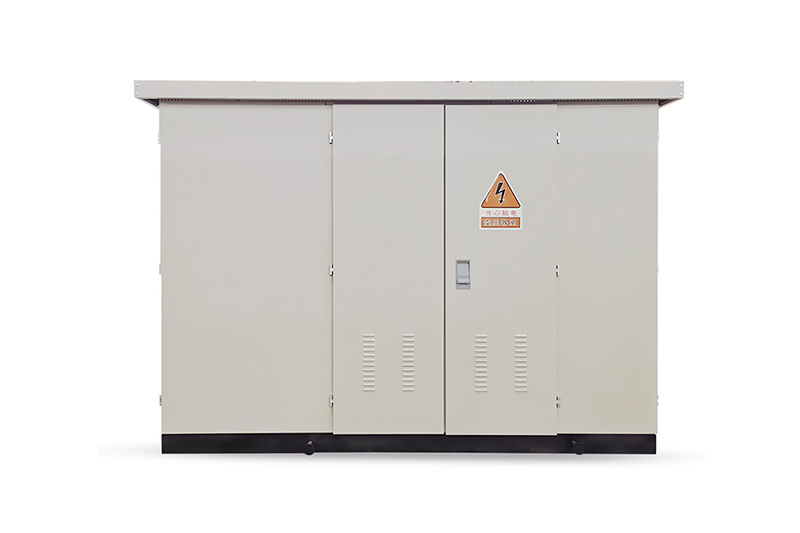
A 500 kVA compact substation typically integrates a distribution transformer, high-voltage switchgear, low-voltage switchboard, and auxiliary systems into a single enclosure. Depending on application requirements, the transformer can be dry-type or oil-immersed, while the enclosure is usually made of weather-resistant steel or composite materials.
The main advantages of a 500 kVA compact substation include its compact footprint, compliance with electrical safety standards, and centralized equipment arrangement that supports efficient operation and maintenance. These substations are suitable for indoor and outdoor installations in industrial facilities, commercial buildings, residential developments, and infrastructure projects.
Standard Dimensions of 500 kVA Compact Substations
The overall size of a 500 kVA prefabricated substation varies depending on transformer type, insulation method, switchgear configuration, and manufacturer design. Foundation dimensions must be calculated based on equipment weight, enclosure size, and site conditions to ensure structural stability and safe operation.
Typical Overall Dimension Ranges
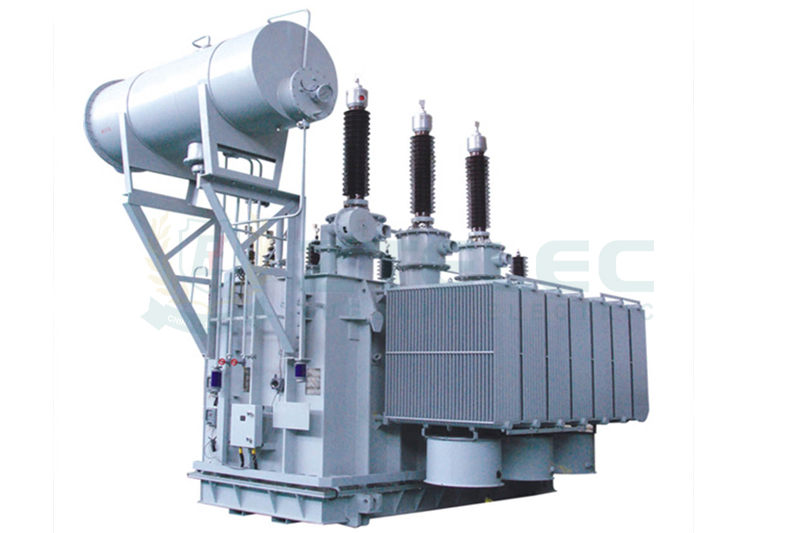
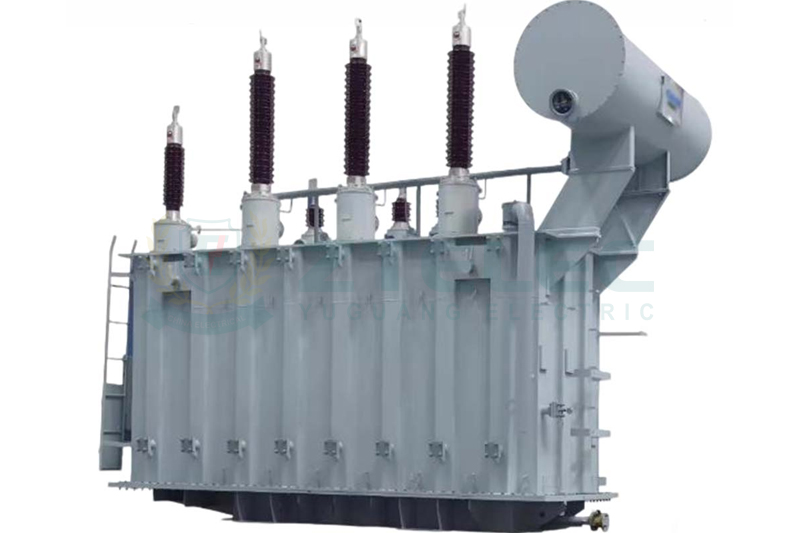
For oil-immersed transformer substations, the overall length is generally between 3.5 and 4.5 meters, the width ranges from 2.0 to 2.8 meters, and the height is approximately 2.2 to 2.8 meters. This configuration is suitable for outdoor installations requiring strong overload capability.
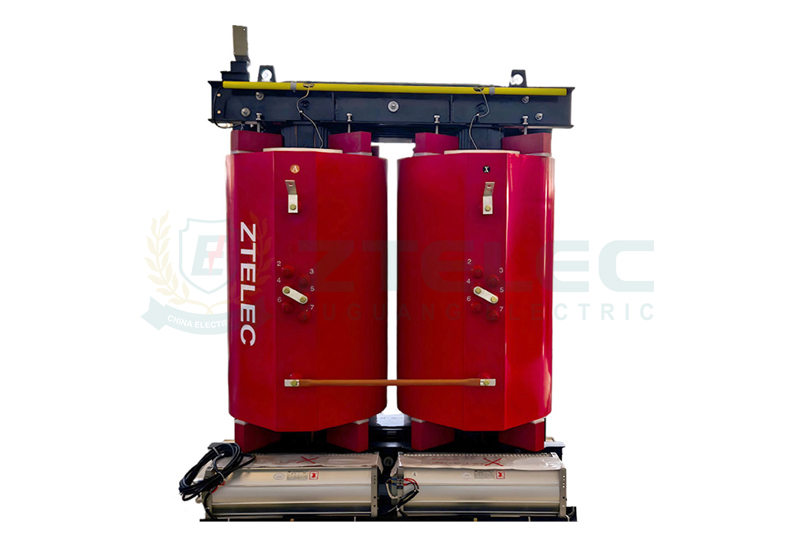
Dry-type transformer compact substations usually feature a more compact structure. Their length typically ranges from 3.0 to 4.0 meters, width from 1.8 to 2.5 meters, and height from 2.0 to 2.5 meters. These are commonly selected for indoor or safety-sensitive environments.
SF6 gas-insulated compact substations offer the smallest footprint. Their length is generally between 2.5 and 3.5 meters, width from 1.5 to 2.0 meters, and height from 1.8 to 2.2 meters, making them ideal for space-constrained urban applications.

Component-Level Space Allocation
Inside a 500 kVA compact substation, the transformer compartment typically occupies around 1.5 to 2.0 square meters of floor space. High-voltage switchgear usually requires a width of approximately 0.6 to 1.2 meters, depending on the voltage level and protection scheme.
The low-voltage switchboard generally requires 1.0 to 2.0 meters of width, influenced by the number of outgoing feeders and metering units. Additional space of about 0.5 to 1.0 meters is allocated for auxiliary systems such as control cabinets, ventilation equipment, and protection devices.
Layout Design Principles for 500 kVA Compact Substations
Proper layout design is essential for ensuring operational safety and ease of maintenance. A 500 kVA compact substation is typically divided into three functional zones: the high-voltage compartment, transformer compartment, and low-voltage compartment.
Maintenance access routes must be clearly defined, with passage widths not less than 800 mm to allow safe operation and equipment handling. Adequate ventilation paths should be incorporated into the layout to prevent overheating of transformers and switchgear during continuous operation.
The layout should also consider future maintenance and potential expansion. Components must be arranged in a way that allows replacement or upgrading without major structural modifications.
Installation Space Requirements
Beyond the physical dimensions of the equipment, sufficient installation space must be reserved to ensure safe operation and compliance with electrical regulations. Safety protection zones should be established around high-voltage and low-voltage equipment, using barriers or warning systems where necessary.
Operation and maintenance passages of at least 0.8 to 1.0 meter should be reserved for both high-voltage and low-voltage areas. For indoor installations, additional heat dissipation space of approximately 0.5 to 1.0 meter should be provided above and around the transformer to maintain proper airflow.
Cable routing areas must also be planned carefully. Adequate space should be reserved for incoming and outgoing power cables, grounding conductors, and cable trenches to ensure neat installation and future adjustments.
Space Optimization in Special Installation Environments
In underground installations, highly integrated compact substation designs are recommended to minimize space usage. Enhanced moisture-proof measures, effective drainage systems, and forced ventilation with temperature control are essential to adapt to underground conditions.
For rooftop installations, structural load-bearing capacity must be evaluated in advance. Wind resistance, seismic design, and waterproof drainage systems should be incorporated to ensure long-term safety and reliability.
Indoor installations require additional considerations, including fire-resistant walls with a fire rating of at least two hours, noise control measures, and emergency ventilation or smoke extraction systems to meet building safety regulations.
Selecting and designing a 500 kVA compact substation requires a comprehensive evaluation of size parameters, layout principles, safety regulations, environmental conditions, and long-term operational needs. With proper planning, a 500 kVA compact substation can operate reliably within an area of approximately 15 to 25 square meters, delivering stable and efficient power distribution for a wide range of applications.
For customized designs, detailed dimension drawings, or professional consultation on 500 kVA compact substations, please contact us. Our technical team can provide optimized solutions and competitive quotations tailored to your project requirements.