How to Choose a Transformer Manufacturing Production Line for Power Transformer Production
Time:2026-01-9 Auther:ZTelec-www.ztelectransformer.com
In the increasingly competitive power transformer industry, selecting an efficient, stable, and intelligent transformer manufacturing production line has become a decisive factor for enterprises seeking sustainable growth. A well-designed production line directly influences transformer quality, production efficiency, operating costs, and long-term market competitiveness.
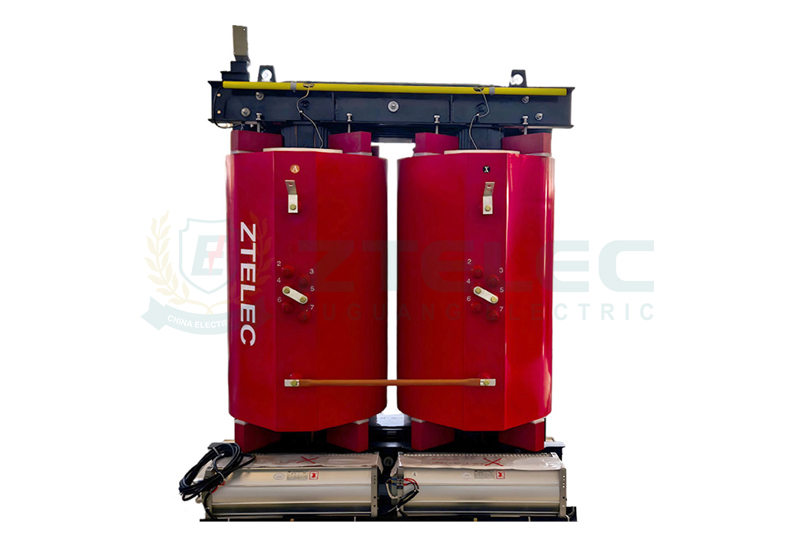
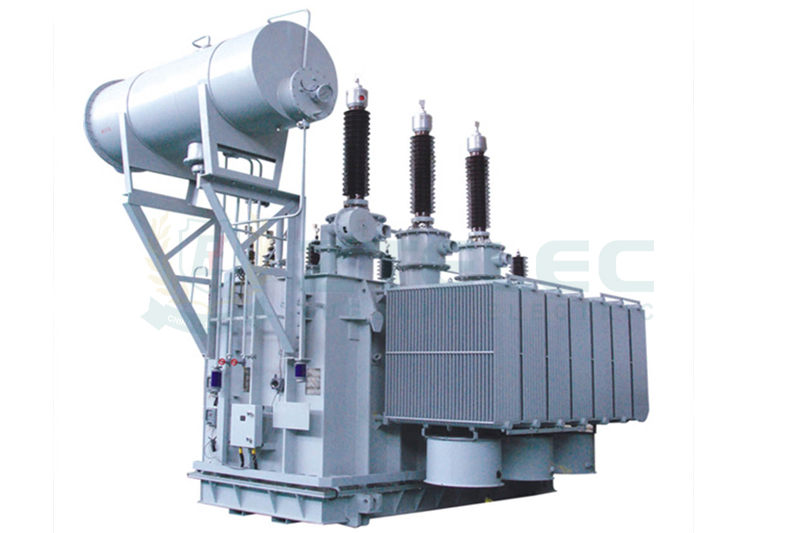
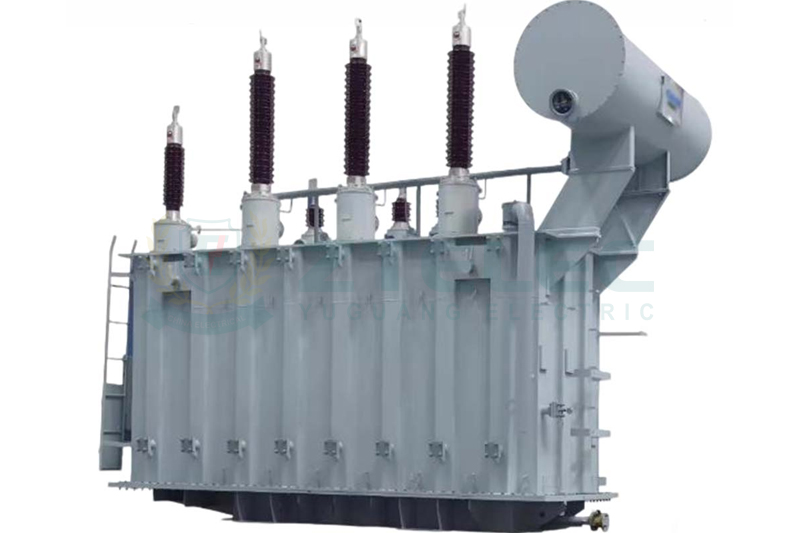
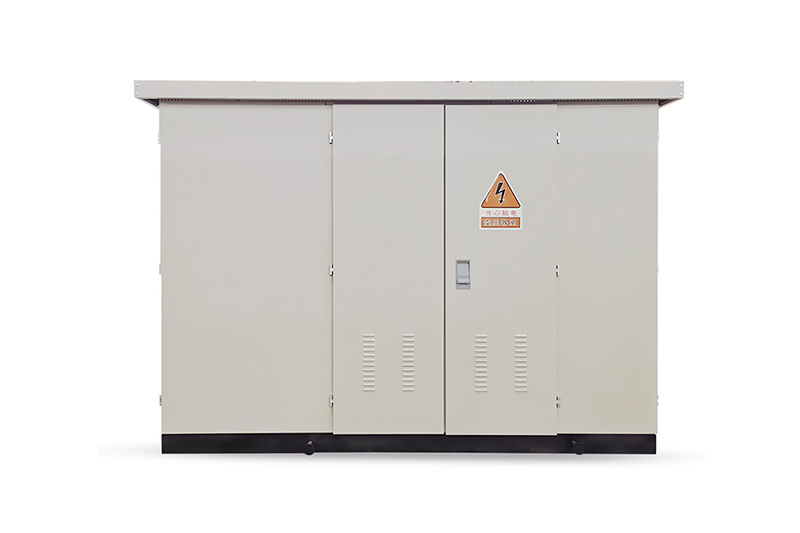
Whether manufacturing oil-immersed transformers, dry-type transformers, or special-purpose power transformers, rational production line configuration is essential for meeting diverse customer requirements and international standards. This article systematically analyzes key considerations for selecting a power transformer production line from the perspectives of production scale, process technology, equipment configuration, and return on investment.

Key Factors When Selecting a Transformer Manufacturing Production Line
Production scale and product positioning should be clearly defined before any investment decision is made. Manufacturers need to determine the main transformer types to be produced, such as oil-immersed or dry-type transformers, along with the target capacity range, typically from 100kVA to 100MVA, and corresponding voltage levels.
Market demand forecasting plays a critical role in capacity planning. The selected production line should match expected annual output while maintaining flexibility for customized products, multiple specifications, and small-batch manufacturing requirements.
The technological level of the production process is another key factor. A complete power transformer production line should cover all critical process stages, including core processing, coil winding, insulation treatment, vacuum drying, and final assembly. The level of automation can range from semi-automatic to fully automatic depending on budget and efficiency targets.
Digital integration capability has become increasingly important. Modern transformer production lines should support MES system integration, data collection, and industrial IoT applications to enable intelligent manufacturing and real-time production management.
Return on Investment and Cost Control Considerations
A comprehensive return on investment analysis should include initial capital expenditure, such as equipment procurement, installation, commissioning, and factory layout upgrades. These costs form the foundation of the overall production line investment.
Operating costs must also be carefully evaluated. Long-term expenses typically include energy consumption, consumables, routine maintenance, spare parts, and labor costs. An efficient and automated production line can significantly reduce unit production costs over time.
The investment payback period should be calculated based on realistic capacity utilization rates and market pricing strategies. A well-configured power transformer manufacturing production line can achieve stable returns while supporting future capacity expansion.
Core Manufacturing Processes of a Power Transformer Production Line
A complete transformer manufacturing production line generally includes core shearing and stacking, coil winding and forming, coil drying and curing, final assembly, vacuum drying, oil treatment, oil filling, sealing, and comprehensive routine and type testing.
The equipment configuration and process control accuracy at each stage directly affect transformer performance, quality consistency, and operational reliability. High-precision processing and stable process control are essential for meeting international efficiency and safety standards.

Key Equipment Selection for Power Transformer Manufacturing
Core processing equipment is the foundation of transformer performance. Silicon steel sheet slitting lines should balance cutting accuracy, typically within ±0.1 mm, with production efficiency. Cross-cutting lines equipped with automatic stacking functions and low-burr processing technology help reduce no-load losses.
Coil manufacturing equipment plays a vital role in electrical performance. Winding machines should be selected based on transformer type and capacity, with vertical or horizontal configurations available. Foil winding machines are particularly suitable for low-voltage, high-capacity transformer coils.
Vacuum drying and oil treatment systems are critical for ensuring insulation performance and service life. These systems usually include vacuum drying ovens, transformer oil filtration and degassing units, and online moisture and gas monitoring devices.
Testing and inspection equipment is essential for quality assurance and market access. Partial discharge testing, ratio and impedance testing, loss measurement, power frequency withstand voltage testing, and impulse voltage testing ensure compliance with international standards and customer requirements.
Automation and Intelligent Manufacturing Configuration
With the advancement of intelligent manufacturing technologies, transformer production lines are rapidly evolving toward higher levels of automation and digitalization. Typical configurations include MES production management systems, automated logistics solutions, AGV conveying systems, and online quality traceability platforms.
Remote equipment monitoring and predictive maintenance systems further enhance operational stability. Increasing the level of automation not only improves production efficiency but also minimizes human error and ensures consistent product quality.
Supplier Selection and Evaluation
Evaluating the technical capability of production line suppliers is a critical step. Manufacturers should review successful application cases, assess patent portfolios, and understand the supplier’s cooperation with research institutions. Technical response speed and spare parts availability are also important indicators.
Equipment performance should be verified through on-site testing and inspections at existing customer facilities. Compliance with international certifications such as CE and UL is essential for export-oriented transformer manufacturing.
Full lifecycle service support should be clearly defined, including on-site commissioning, operator training, maintenance guidance, and long-term technology upgrade support. A reliable service system ensures stable production throughout the equipment lifecycle.
Choosing the right power transformer manufacturing production line is a strategic decision that affects both current production efficiency and long-term market competitiveness. Enterprises must combine clear product positioning with scientific equipment configuration and continuous automation upgrades to build a modern, high-quality transformer manufacturing system.
For companies planning to enter or upgrade their position in the power transformer manufacturing sector, investing in a professional, reliable, and intelligent production line will be a key foundation for achieving sustainable and profitable development.