How to Select the Most Suitable 22kV Dry-Type Distribution Transformer for Industrial and Power Projects
Time:2025-12-3 Auther:ZTelec-www.ztelectransformer.com
Choosing the right 22kV dry-type distribution transformer is essential for industrial park development, energy project deployment, and power system upgrades. The correct transformer ensures safe, stable, and efficient power delivery. This guide provides practical selection criteria for engineers, project managers, and procurement personnel, covering technical parameters, structural characteristics, environmental requirements, and lifecycle cost considerations.

Basic Characteristics of 22kV Dry-Type Distribution Transformers
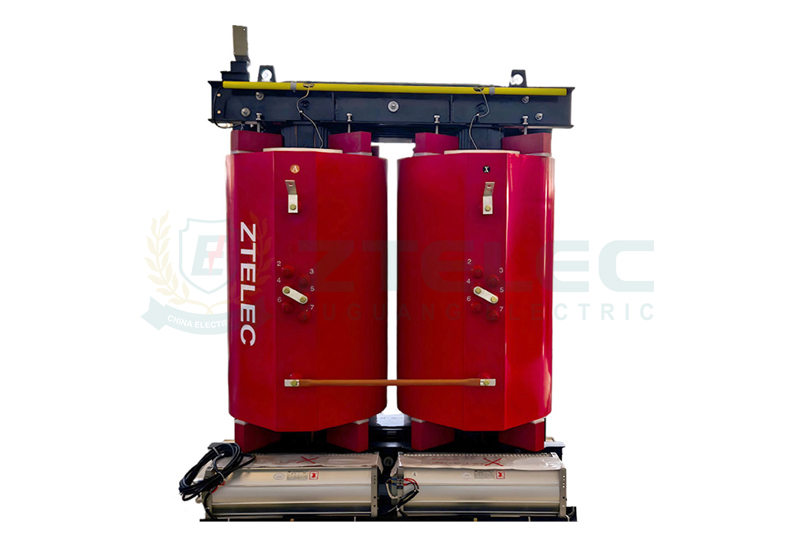
Safety and Environmental Protection: Unlike oil-immersed transformers, dry-type transformers use no flammable insulating oil, greatly lowering fire risk and reducing environmental impact.
Easy Maintenance: The absence of transformer oil eliminates periodic oil replacement and related maintenance expenses.
Flexible Installation: Suitable for indoor, basement, and compact spaces, these transformers meet the layout needs of industrial plants, commercial centers, and public facilities.
High Temperature Resistance: Modern epoxy-resin cast windings achieve insulation classes F or H, providing strong thermal endurance and long service life.
22kV Dry-Type Distribution Transformer Selection Steps
1. Determine Core Application Parameters
Load Characteristic Analysis: Identify load type (continuous, intermittent, or impact load such as motor starting), evaluate the maximum demand, and reserve a 20–25% capacity margin. Analyze daily and seasonal load curves to ensure reasonable sizing.
Rated Capacity (kVA): Select capacity based on calculated load while avoiding both overload and excessive margin. Industrial loads fluctuate significantly, and a 15–25% reserve capacity is recommended.
Voltage Level: The 22kV high-voltage side must match the feeding grid. The low-voltage side (typically 0.4kV or 0.415kV) must align with the facility’s distribution system to ensure compatibility.
2. Evaluate Core Performance Indicators
Energy Efficiency Rating: Select high-efficiency models that comply with IEC 60076-16 standards to reduce energy losses and lifecycle costs.
Impedance and Short-Circuit Capacity: Impedance affects short-circuit current levels and voltage stability. Sensitive industrial equipment requires appropriate impedance to prevent voltage dips and ensure system safety.
Temperature Rise and Heat Dissipation: Transformer longevity depends on temperature rise. Review winding and core design parameters and confirm that the ventilation environment supports reliable heat dissipation.
Protection Rating and Installation Environment: Indoor and outdoor installations require different IP protection levels. Outdoor applications must ensure dustproof, moisture-proof, and rainproof performance.
3. Consider Application Scenarios
Industrial Parks: Used for workshops, manufacturing lines, and heavy-load equipment, requiring strong short-circuit withstand capability and impact resistance.
Power and Energy Projects: Including distribution network upgrades and renewable energy grid connections. Key considerations include voltage quality, operational reliability, and long-term durability.
Commercial and Public Facilities: Transformers serving office towers, commercial complexes, and public buildings must meet low-noise and high-safety requirements for indoor operation.

4. Examine Brand Strength and Manufacturing Process
Epoxy Resin Cast Windings: Improve insulation strength, moisture resistance, and thermal stability.
High-Quality Silicon Steel Core: Reduces no-load loss and improves operational efficiency.
Advanced Cooling System: Designs using natural air cooling (AN) or forced air cooling (AF) enhance long-term reliability under varying loads.
5. Verify Certifications and Standards Compliance
International Standards: IEC 60076 series, IEEE C57.12.01.
Local Standards: Chinese GB, Indian IS, and other national certification requirements.
Environmental Compliance: Standards such as RoHS should be confirmed for eco-friendly installation.
6. Assess the Supplier’s Capabilities
Technical Capabilities: Experience with similar projects, customized design ability, and complete testing and quality control systems.
Business Support: Delivery timeline alignment with project schedules, comprehensive warranty coverage, and strong after-sales service capacity.
The selection of a 22kV dry-type distribution transformer requires careful evaluation of technical specifications, operating environments, and supplier reliability. Cross-departmental collaboration and comparison of multiple solutions are highly recommended. Choosing the right transformer enhances system safety and stability while reducing long-term operational and maintenance costs.