In-Depth Analysis of the 66 kV Oil-Immersed Power Transformer: Design, Features, and Advantages
Time:2025-12-4 Auther:ZTelec-www.ztelectransformer.com
With the continuous development of modern power systems, transformers play a critical role in power transmission and distribution. The 66 kV oil-immersed power transformer, known for its high efficiency, stability, and reliability, is widely used in power engineering. This article analyzes its structural design, performance characteristics, and technical advantages to provide a comprehensive understanding of its core strengths.

What Is a 66 kV Oil-Immersed Power Transformer?
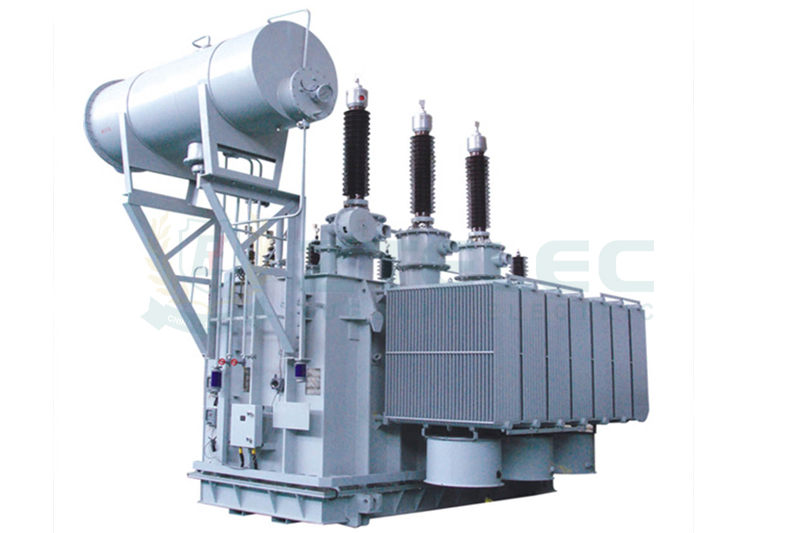
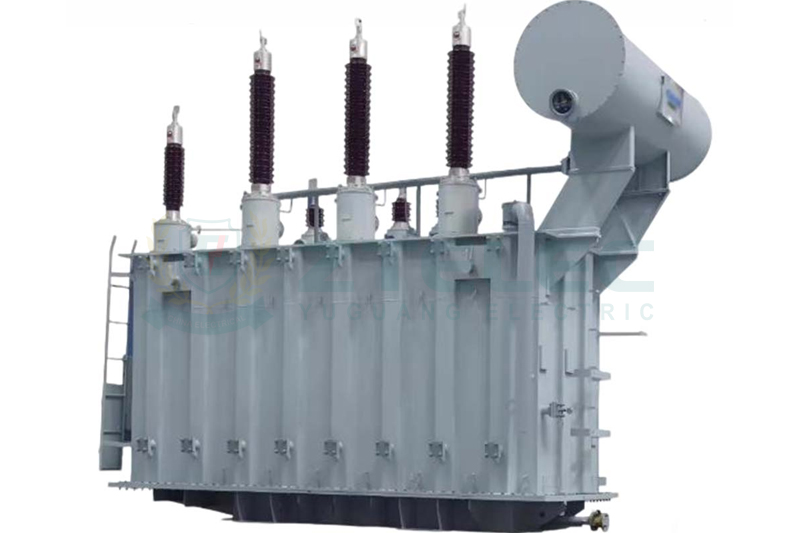
A 66 kV oil-immersed power transformer uses transformer oil (typically mineral oil) as both a cooling and insulating medium. It is primarily applied in power systems to step up or step down voltage to meet electricity usage requirements. The oil-immersed design enhances electrical performance and extends equipment service life, making it ideal for various industrial and utility applications.
Structural Design of the 66 kV Oil-Immersed Power Transformer
Core
The core is made from stacked cold-rolled grain-oriented silicon steel sheets with high magnetic permeability, typically using a three-phase three-leg or three-phase five-leg structure. Modern step-lap joints reduce magnetic resistance, lowering no-load losses by 15–25% compared with traditional designs. Single-point grounding prevents local overheating and faults caused by multi-point grounding.
Winding Structure
Low-voltage winding is designed in helical or layered structures using oxygen-free or electrolytic copper with high conductivity. High-voltage winding employs continuous or interleaved arrangements to ensure uniform impulse voltage distribution. An oil-paper composite insulation system with graded design optimizes turn-to-turn, layer-to-layer, and main insulation using electric-field simulations.
Oil Tank and Cooling System
The oil tank features corrugated walls or radiator-tube designs with 10–15% expansion margin. Common cooling modes include:
ONAN (Oil-Natural Air-Natural) for small-capacity transformers.
ONAF (Oil-Natural Air-Forced) with fan-assisted heat dissipation.
OFAF (Oil-Forced Air-Forced) for large-capacity transformers, offering high cooling efficiency.

Performance Characteristics of the 66 kV Oil-Immersed Power Transformer
High Efficiency
Optimized core materials and winding design minimize no-load and load losses, significantly reducing energy consumption during operation.
Stability
Excellent insulation performance and cooling efficiency allow continuous, stable operation, preventing failures due to overheating or overloading.
High Reliability
Transformer oil provides insulation, heat dissipation, and cleaning, reducing internal deposits and contaminants and ensuring reliable performance in harsh environments.
Strong Adaptability
The transformer maintains electrical performance and mechanical strength in extreme climates, including high temperatures, high humidity, and severe cold.
Technical Advantages of the 66 kV Oil-Immersed Power Transformer
High Load-Bearing Capacity
Excellent thermal conductivity of transformer oil allows stable operation under high loads, suitable for industrial and high-demand applications.
High Efficiency and Energy Saving
Use of low-loss, high-permeability magnetic materials reduces energy loss, improves efficiency, saves energy, and lowers operating costs.
Strong Short-Circuit Resistance
The oil-immersed design absorbs heat generated during short circuits and isolates current shocks, reducing damage risk and ensuring safe operation.
Intelligent Monitoring and Maintenance
Equipped with monitoring systems, the transformer tracks temperature, current, and oil levels in real-time, enabling predictive maintenance and reducing failure occurrences.
Environmentally Friendly
Modern transformer oil is treated for low toxicity and recyclability. Sealed designs prevent leaks, minimizing environmental impact.
The 66 kV oil-immersed power transformer stands out in structural design, performance, and technical advantages. High efficiency, stability, reliability, and longevity make it widely used across power systems. With ongoing technological advancements, these transformers continue to play a vital role in modern electrical power infrastructure.